Understanding Generations, Seeing the Business

Understanding Generations,
Seeing the Business
From Gen Z to customers in their 60s:
Different choices in the same store

The Black beauty market is not driven by trends alone. One of the most notable shifts today is the difference in consumer behavior across generations. Even when visiting the same beauty supply store, shoppers in their 20s, 30s, 40s, and those in their 50s and 60s often choose very different products. The way they approach style, the criteria they use when selecting products, and even the purpose behind their purchases vary by generation. Many in the beauty industry believe that understanding these generational differences will play an important role in future store operations and product strategy.
Gen Z (20s): Style-Driven Consumption

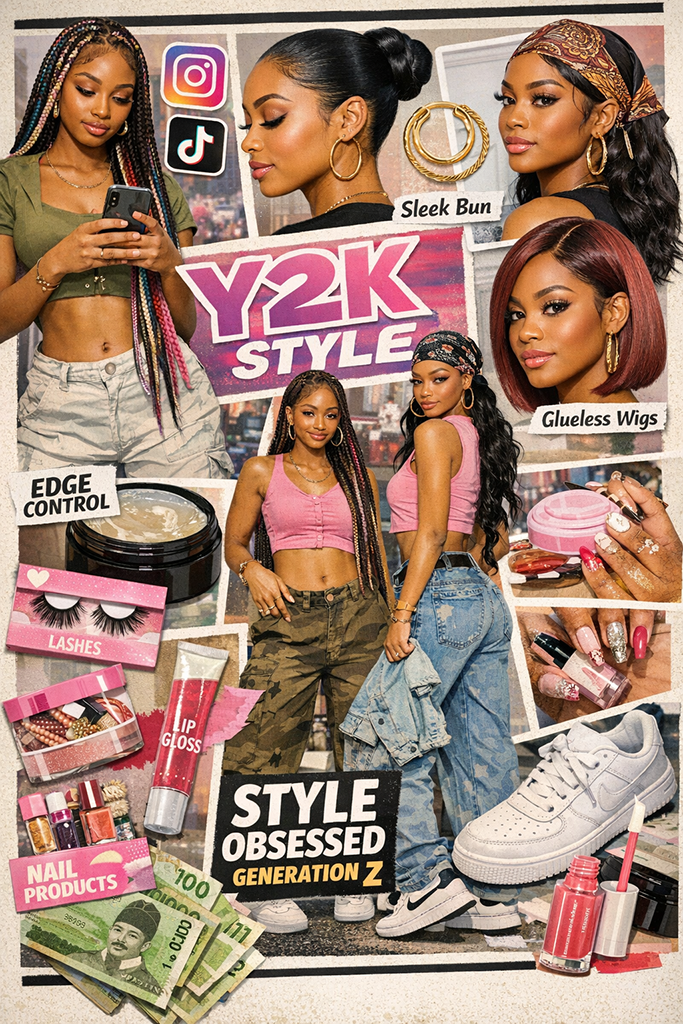
Gen Z is currently the fastest moving consumer group in the Black beauty market. Rather than maintaining one style for a long time, they tend to change styles frequently. Social media has a strong influence. When a new look trends on TikTok or Instagram, customers often come to stores looking for the same style.

This generation experiments with a wide range of styles, including long braids, colorful wigs, and sleek bun looks. Recently, easy to wear options such as glueless wigs have gained strong popularity. In fashion, the return of Y2K trends has brought back crop tops, cargo pants, low rise jeans, and sneakers. Accessories such as gold hoop earrings, hair accessories, and head scarves are often styled together with hairstyles.

Gen Z consumers are also willing to spend on smaller items that complete a look, including edge control, eyelashes, lip gloss, and nail products. In the industry, this group is often described as a “style driven” consumer segment.

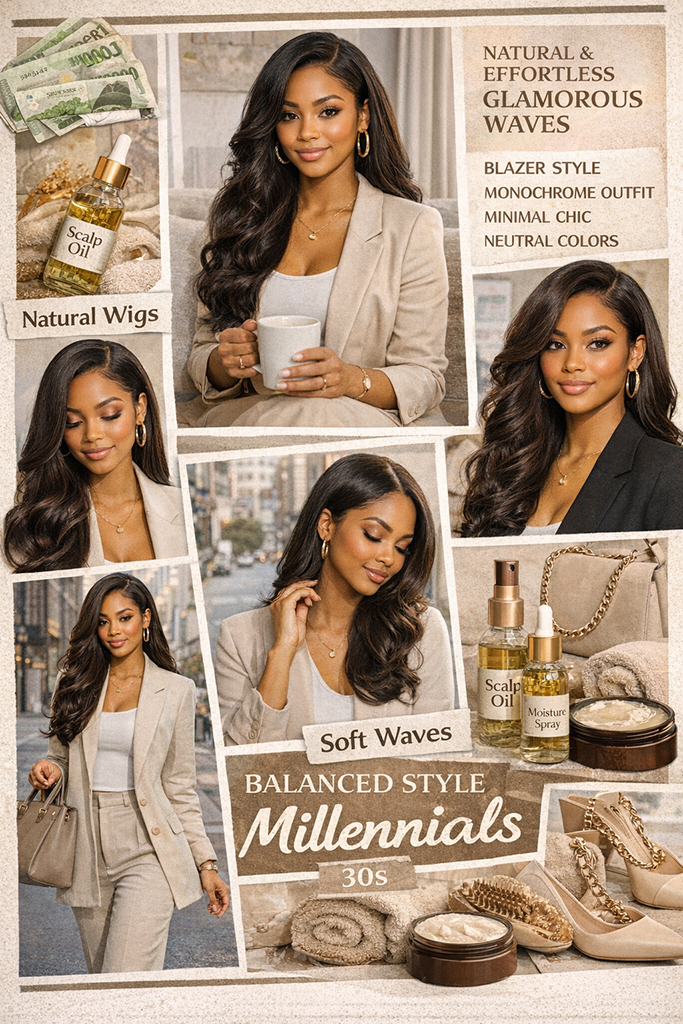
Millennials (30s): Balance Between Style and Care

Consumers in their 30s tend to seek a balance between style and practicality. With work and daily responsibilities to consider, they often prefer natural looking wigs or hairstyles that are easy to maintain. Rather than bold looks, polished and natural styles tend to be more popular.

Hair health is also a major focus. Scalp oils, moisturizing products, and deep conditioning treatments are key purchases for this group. In fashion, minimal chic styles are more common than dramatic trends. Hairstyles that match this aesthetic, such as soft waves or natural wig styles, are frequently chosen.

Within the beauty industry, consumers in their 30s are often seen as one of the most balanced groups, showing interest in new styles while also prioritizing long term hair care.

Gen X (40s): Comfort and Reliability

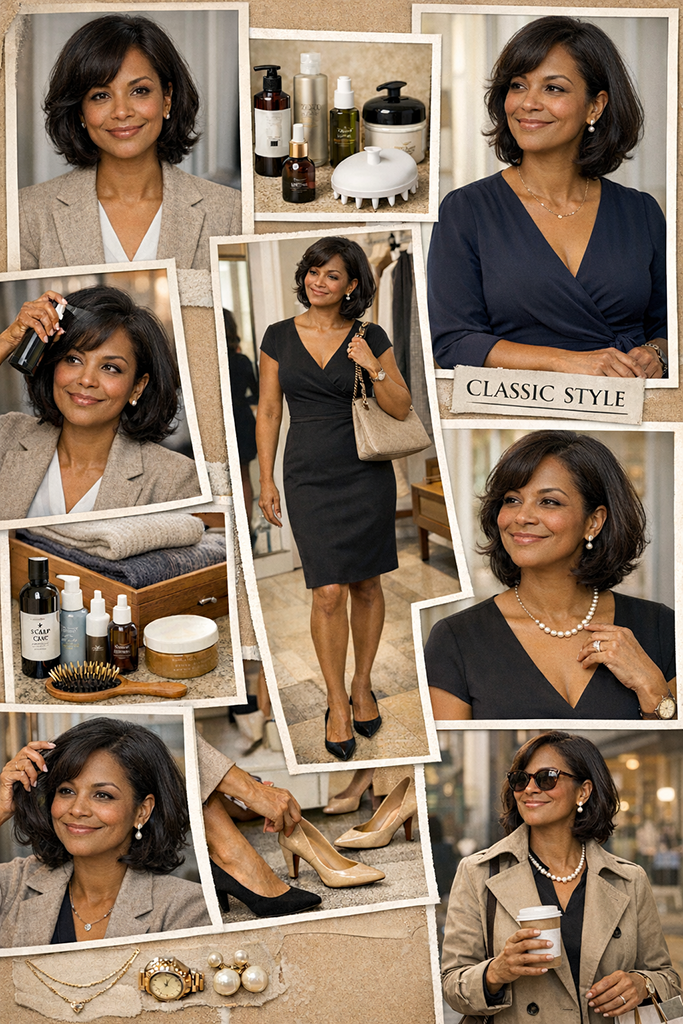
Customers in their 40s often prefer comfortable and reliable styles rather than fast changing trends. Natural hairstyles that are easy to manage or natural looking wigs are common choices. Interest in scalp health and hair care products is also relatively high.

Brand trust is particularly important for this generation. Once they find a product they like, they often continue using it for years. In fashion, classic styles are more common than trend driven looks. For stores, this generation often becomes a stable group of repeat customers.

Customers in Their 50s: Practicality and Quality

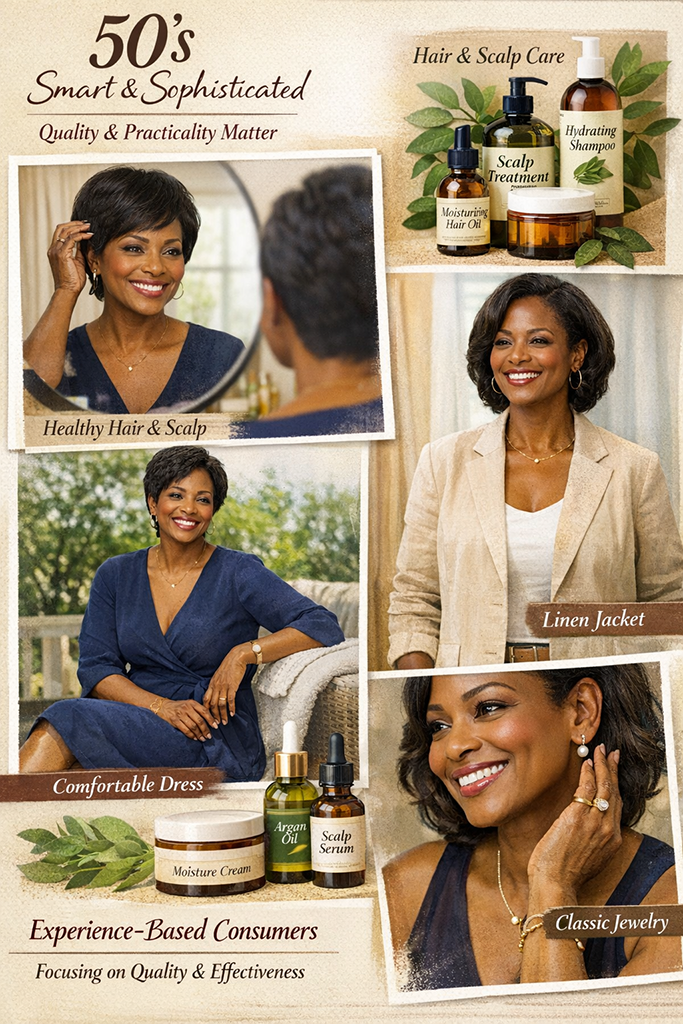
Consumers in their 50s value practicality while also paying close attention to product quality. Natural looking wigs and easy to manage styles are popular, and there is strong interest in products that support scalp health and protect hair. Moisturizing products, hair oils, and scalp care items continue to sell steadily among this group.

In fashion, elegant casual styles are common. In the beauty industry, customers in their 50s are often described as an “experience driven” consumer group, placing strong emphasis on product quality and effectiveness.

Customers in Their 60s: Familiarity and Trust

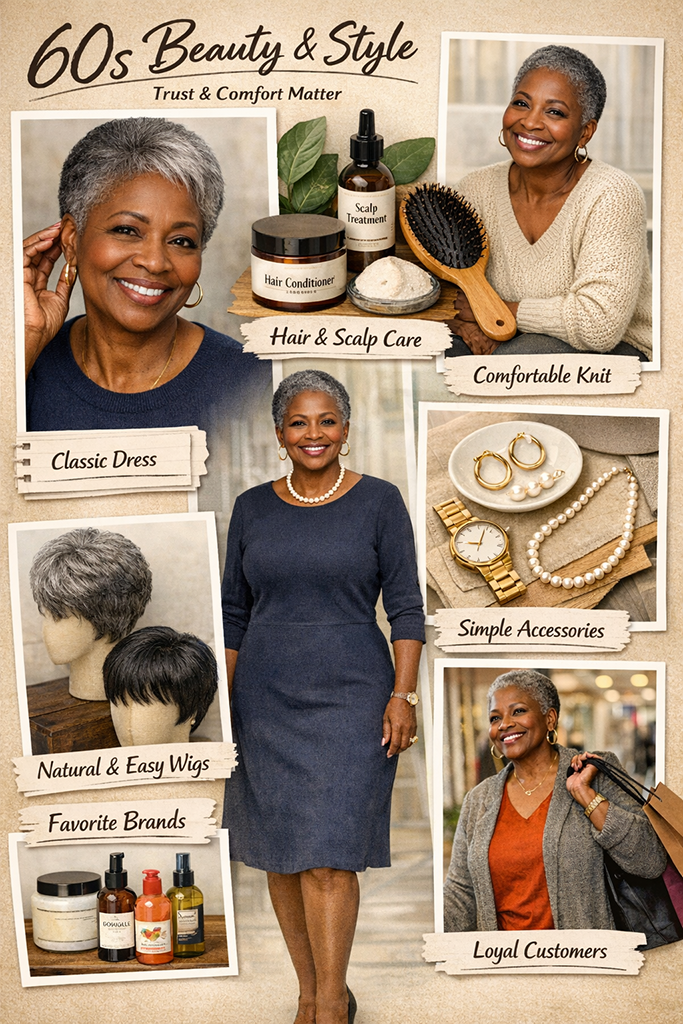
Customers in their 60s have long been an important consumer group in the Black beauty market. Many prefer neat and comfortable styles rather than bold trends. Short natural hairstyles or lightweight wigs are common, and scalp care and conditioning products remain steady purchases.

They also tend to stay loyal to brands they have trusted for many years. Similar patterns appear in fashion as well, where comfort and a personal sense of style often matter more than following trends. For many stores, this generation becomes one of the most reliable groups of loyal customers.

Different Generations, Shared Purpose

Beauty experts often point out that the strength of the Black beauty market comes from the culture created by multiple generations together. Even though customers choose different products in the same store, they share a common goal: finding a style that expresses confidence and personal identity.

BUSINESS By JOO PARK
BNB Magazine APRIL 2026 ©bnbmag.com