In the last issue, we reviewed the requirements under MoCRA and how certain promotional practices in beauty supply stores may expose retailers to compliance and enforcement risks. This issue focuses on how to conduct due diligence when sourcing products from external suppliers.
Recently, products have been marketed using terms such as “FDA Registered,” “FDA Approved,” or “Certification Complete,” creating confusion. Unlike drugs, cosmetics are not subject to FDA pre-approval. Under MoCRA, manufacturers must complete facility registration and product listing. Understanding this framework helps retailers reduce compliance risks. Below are key verification steps and red flags to review when assessing supplier documentation.
1. One-Minute FEI Lookup
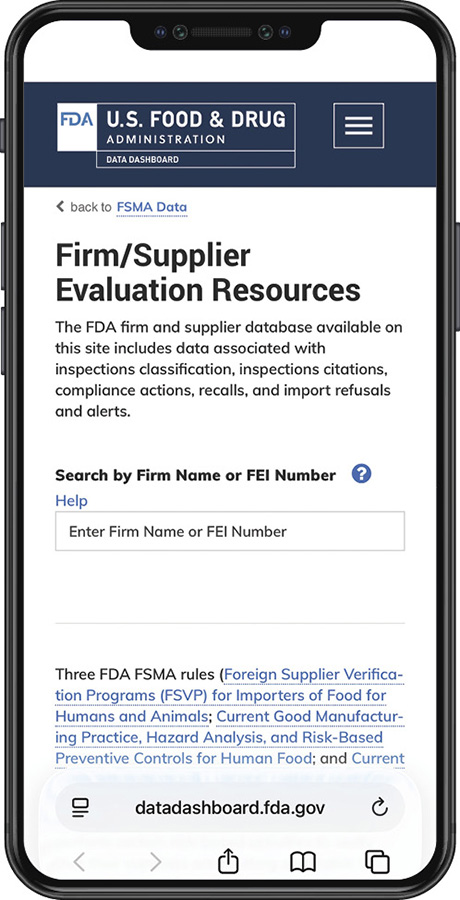
A more reliable verification method than paper documents is the 10-digit FDA Establishment Identifier (FEI) registered in the FDA system.
STEP 1 | Official Portal Access
Visit the FDA Data Dashboard at datadashboard.fda.gov or click here.
STEP 2 | Information Entry and Search
Enter the 10-digit FEI number provided by the manufacturer. If unavailable, search using the exact legal firm name.
STEP 3 | Results Verification and Cross-Check
Verify that the firm name and address listed in the FDA database match the information on the product label and supplier documentation.
STEP 4 | Status Review
If the FEI appears in the database and the status is listed as “Active,” the facility has completed FDA facility registration as required under MoCRA. This does not, however, independently confirm full compliance with all MoCRA requirements.
2. Verification of Two Products Currently Sold in Beauty Supply Stores
“FEI data in the examples reflects information available on the FDA Data Dashboard as of July 2024 and February 2026.”
CASE 1 | Cantu Shea Butter Leave-In Conditioning Repair Cream
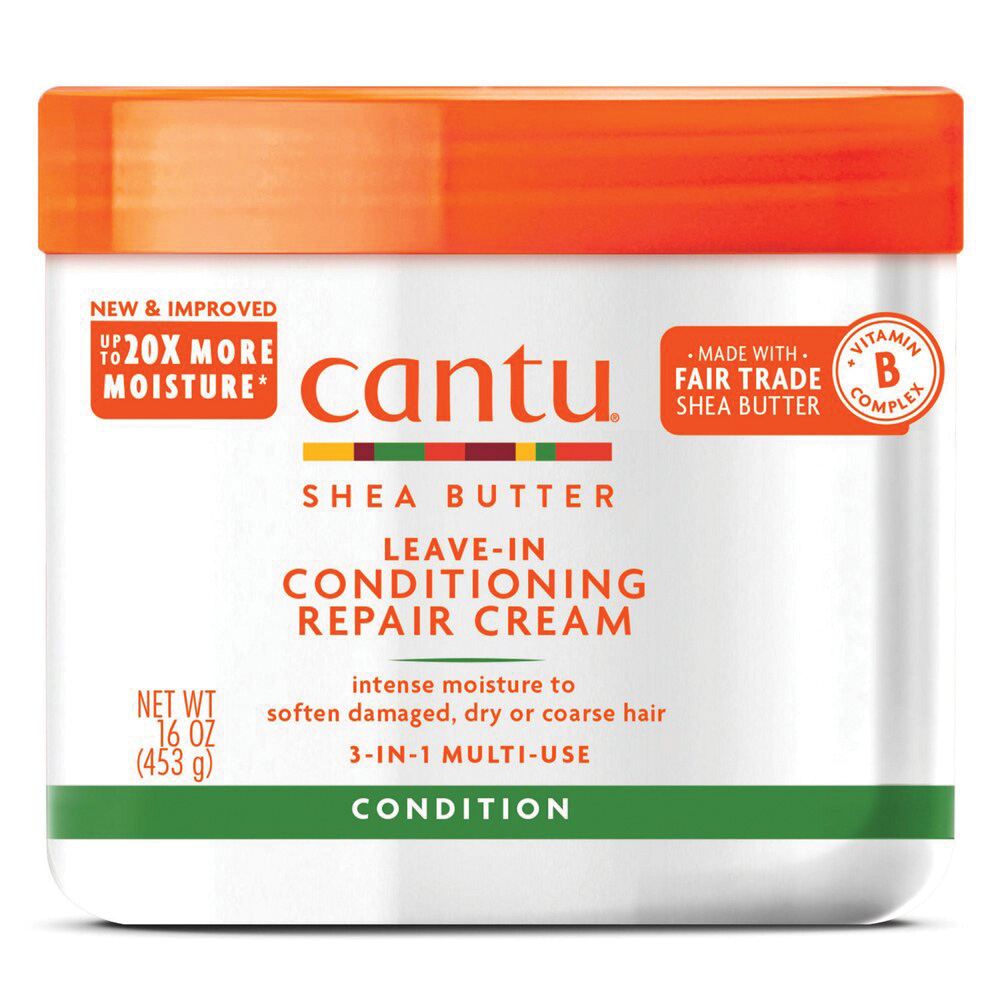
• The brand operates under PDC Brands, a global company, and has regulatory compliance systems in place.
• Because the formulations contain a high percentage of naturally derived ingredients such as shea butter, ingredient-level toxicological evaluation is important. The brand maintains safety documentation signed by a qualified toxicologist.
• A dedicated consumer call center receives adverse event reports, and procedures are in place to report “serious adverse events” to the FDA within 15 days in accordance with Section 605.
| Category | Details |
| Registered Facility | PDC Brands (PDC Creative, LLC) |
| FDA Establishment Identifier (FEI) | 3010263661 |
| Registration Status | Active |
CASE 2 | ORS Olive Oil Built-In Protection No-Lye Relaxer
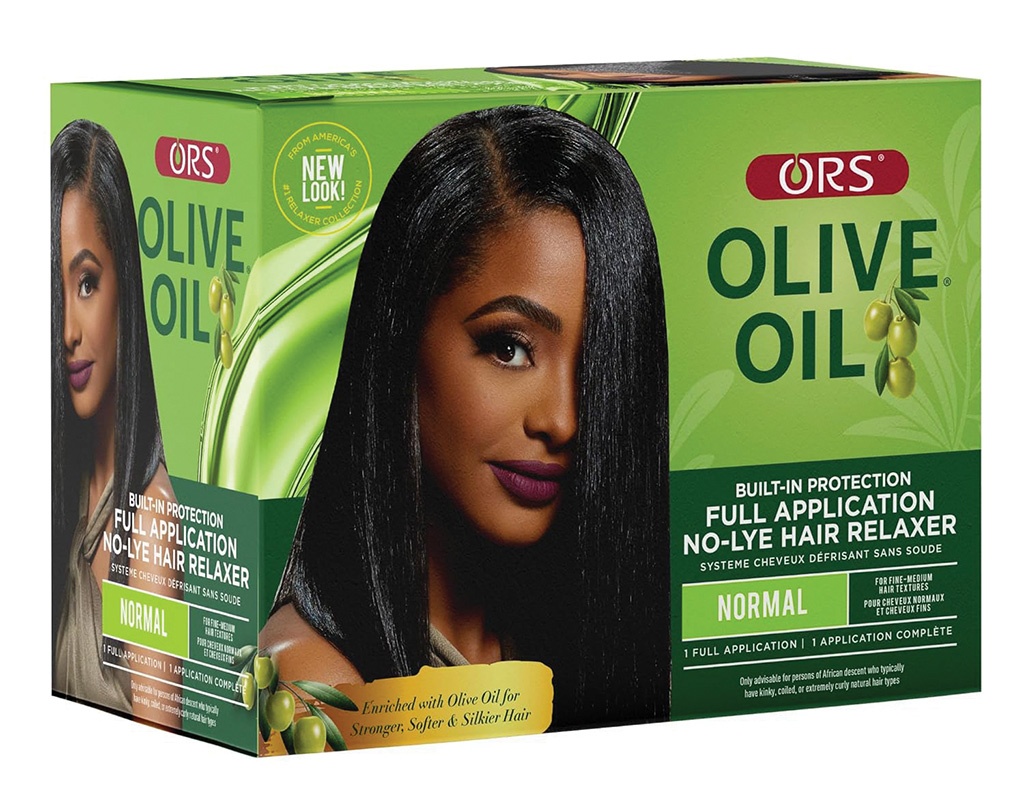
- A well-established product in the relaxer category with over 10 years of market presence.
• As relaxers present a higher risk of scalp injury, compliance with MoCRA Section 605 (15-day serious adverse event reporting) is critical. The company maintains a structured adverse event reporting system supported by consumer data.
• Namaste Laboratories maintains toxicological assessments and long-term safety data to support safety substantiation and regulatory compliance.
• Batch-level traceability supports MoCRA recordkeeping requirements.
⚠ Ongoing litigation within the relaxer category is separate from administrative compliance under MoCRA.
| Category | Details |
| Registered Facility | Namaste Laboratories, LLC (A Dabur Company) |
| FDA Establishment Identifier (FEI) | 3003923334 |
| Registration Status | Active (Renewed for 2026 Cycle) |
3. Liability Protection Strategies for Retail Store Owners
Retaining a dated screenshot from the FDA Data Dashboard can help demonstrate reasonable due diligence in the event of a complaint or regulatory inquiry. Retailers should also include clear liability provisions in invoices.
Example Provision
※ This sample provision is for reference only. Please consult qualified legal counsel before incorporating it into any binding agreement.
State-Level Risks Without Liability Provisions
- California: Exposure to direct civil lawsuits, including potential statutory and punitive damages.
- Texas / New York: Strict product liability standards may hold retailers responsible regardless of fault.
- Georgia / New Jersey: Possible liability under “deemed manufacturer” or apparent manufacturer doctrines.
- Washington: Risk of civil penalties or sales restrictions for products containing prohibited ingredients.
- Illinois: Potential exposure to consumer protection or deceptive trade practice claims.
- Florida: Risk of distribution license suspension, revocation, or denial of renewal.
- Federal: Increased enforcement risk where reasonable due diligence cannot be demonstrated.
4. Must-Review “New MoCRA Regulations”
Beginning in May, MoCRA’s new allergenic fragrance labeling requirements take effect. MoCRA is not a one-time statutory change, but an evolving regulatory framework subject to ongoing rulemaking and guidance development.
| Category | Key Content | Timeline (2026) |
| Talc Regulation | FDA revised proposal pending following withdrawal of the prior standard testing methodology regulation (Nov. 28, 2025) | Compliance Upon Finalization |
| Fragrance Allergens | Anticipated final rule mandating disclosure of 80+ designated allergenic fragrance ingredients | First half of 2026 |
| PFAS Ban | State-level prohibitions on the sale of products containing intentionally added PFAS (e.g., Maine, Vermont) | In Effect; Actively Enforced |
In our next issue, we will outline practical guidance on the 15-day SAE reporting requirement, emphasizing documentation readiness and timely submission to reduce enforcement and litigation risk.