Key MoCRA Compliance
Considerations for Stores
MoCRA (the Modernization of Cosmetics Regulation Act of 2022) is the first major update to U.S. cosmetics law in nearly 85 years and has been rolling out since late 2023. It expands the FDA’s authority over most beauty supply products, including cosmetics, shampoos, conditioners, and styling items. Accordingly, established retail practices must be reviewed for compliance. MoCRA inspections are now underway nationwide and may result in formal enforcement actions rather than advisory guidance. Ahead of the spring season, this article highlights key compliance issues affecting store operations.
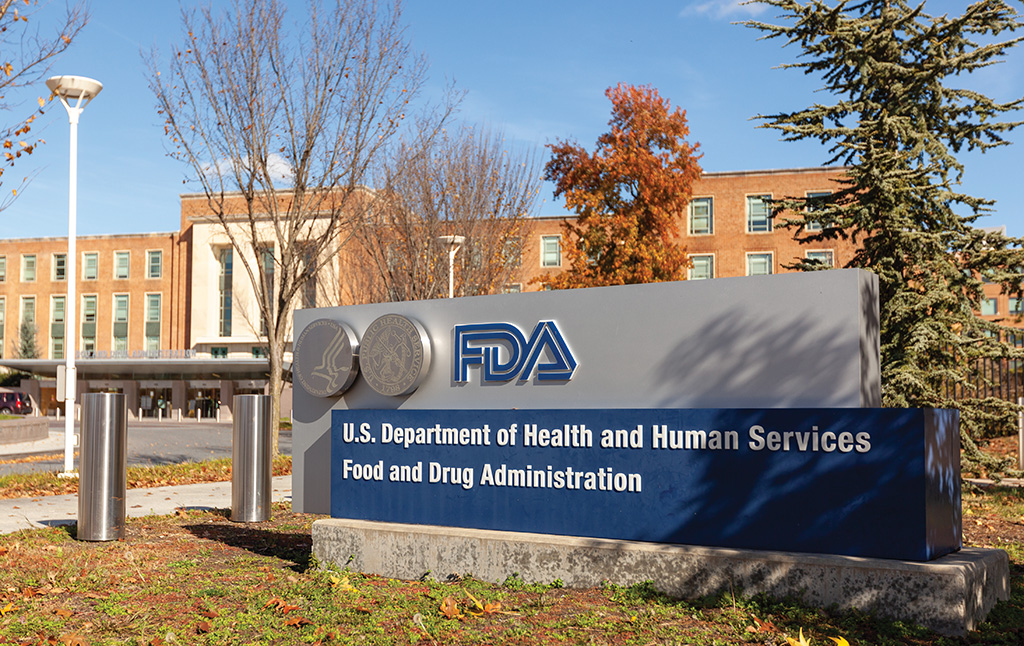
Three Key Areas of FDA On-Site Inspections for Beauty Supply Stores
1. Decanting Bulk Products
Under FDA standards, transferring products into another container may be classified as ‘Cosmetic Manufacturer.’
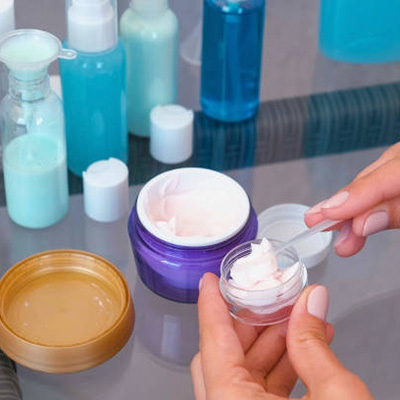
Case A | Shampoo Decanting
Dispensing shampoo from a bulk container into customer’s container may appear eco-friendly, but it is treated as manufacturing once the product is opened and transferred. Store liability then depends on hygiene standards and facility registration.
Case B | Repackaging Adhesives
Transferring wig glue into smaller bottles and selling it under a private label is regarded as repackaging and redistribution under FDA rules. Because these products come into contact with the eyes and skin, any safety issue may result in direct liability for the store.
2. Sample Preparation and Unauthorized Distribution
Decanting full-size products into samples is considered repackaging or processing under FDA standards. Samples without batch codes or expiration dates are non-traceable if issues arise and are classified as regulated products. In some areas, local health and distribution rules may apply in addition to MoCRA.
< State-Specific Regulations on Cosmetics Decanting and Repackaging>
| State | Regulations | Risks for Retailers | Actual Risks of Non-Compliance |
| FL | Cosmetic Manufacturer Permit | Any act of opening containers to decant or repackage is considered “manufacturing.” | Operating without a permit may lead to suspension and product seizure. |
| CA | California Safe Cosmetics Act (CSCA) & Prop 65 |
Risk of missing cancer warnings or ingredient reports when decanting products. | Missing warnings or labels can result in criminal penalties and liability. |
| NY | Beauty Justice Act | Ban on products with harmful ingredients and full ingredient labeling requirements. | Target of administrative action and class action for distributing defective cosmetics |
| WA | Toxin-Free Cosmetics Act (TFCA) | Ban on 25 harmful ingredients including formaldehyde. Strict scrutiny of decanted products for lack of traceability | Intense inspection by state environmental health agency and immediate sales ban |
| TX | Health & Safety Code | Decanting in stores considered a health and sanitation violation | On-site inspection by health authorities and fines |
Case C | In-Store Oil Mixing Services
Custom-mixing different oils at a customer’s request may be interpreted as formulation. Because the resulting mixture differs from the original products, it triggers hygiene and stability requirements.
Case D | Tester Use and Decanting Methods
Opening large containers for shared hand use or transferring products into unlabeled containers raises sanitation risks. Under FDA standards, such products may be deemed ‘Adulterated Cosmetics’ and considered improperly distributed.
3. Labeling Standards for Bundled Products
Bundling different products with shrink wrap or similar methods is a common marketing tactic in beauty supply stores. However, if manufacturer labels, listing ingredients, warnings, or usage instructions, are obscured or hard to read, the FDA may consider the items misbranded. In such cases, liability for any product issues may shift to the store.
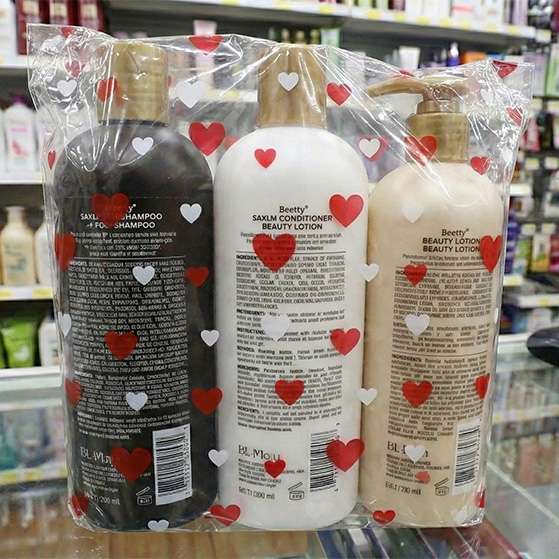
Case E | Seasonal Bundles
If a braiding gel and hairspray are sold together with labels partially hidden, the store, not the manufacturer, may bear responsibility if problems arise.
Case F | Batch Code and Expiration Issues
Removing outer boxes to bundle products without showing batch codes or expiration dates fails traceability standards and may be treated as non-compliant under FDA rules.
<Required Information on Bundle Product Outer Label>
| Item | Details | Caution |
| Product Identifier | All product names (e.g., braiding gel) | Component identity more important than set name |
| Full Ingredient Labeling | Full ingredient list of covered products | List each product separately without omission |
| Responsible Party | Manufacturer/distributor name and address | Recommend including store info for in-house sets |
| Warnings/Precautions | Warning labels (flammable, not for infants, etc.) | Key to legal liability defense in case of incidents |
Basic Standards for Compliance Checks
- Maintain Finished Product Integrity
Selling products in their original packaging from the manufacturer is the clearest approach. Avoiding further processing or repackaging minimizes legal liability. - Limit In-Store Processing
Decanting bulk products, creating in-store samples, or excessive packaging covering labels can increase store liability. If these activities are part of operations, they should be reviewed. - Understand Adverse Event Reporting
If a serious adverse event related to a product is reported, it must be reported to the FDA within 15 days. Being familiar with the reporting process and having a plan in place can reduce confusion in real situations.
The next issue will cover how to identify tampered certificates and verify FDA FEI numbers instantly.