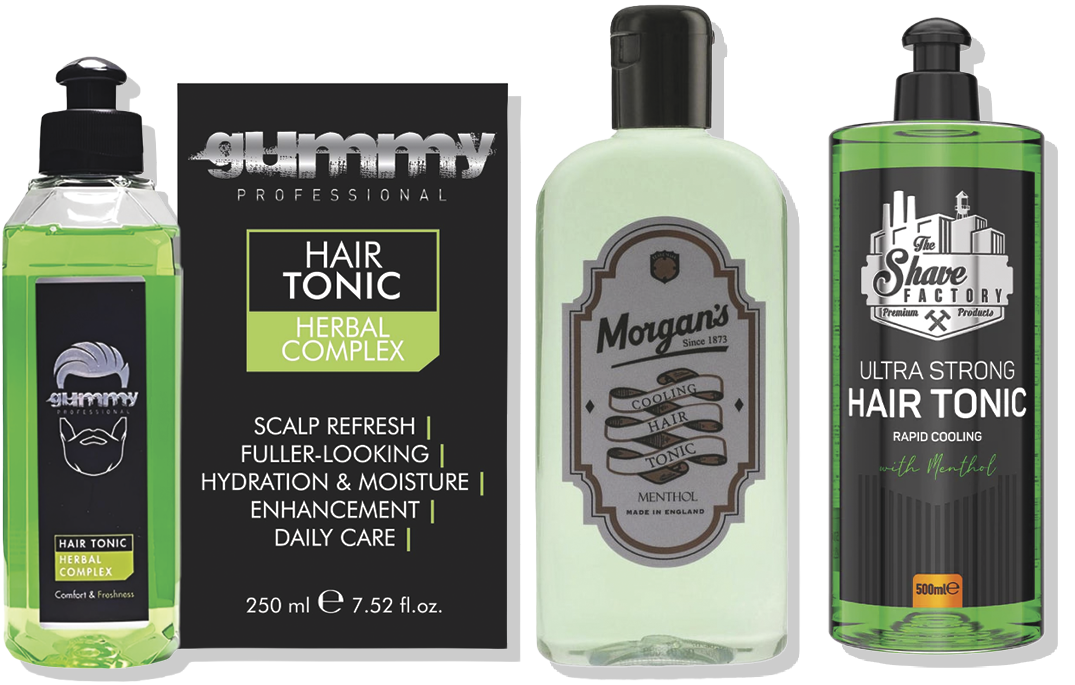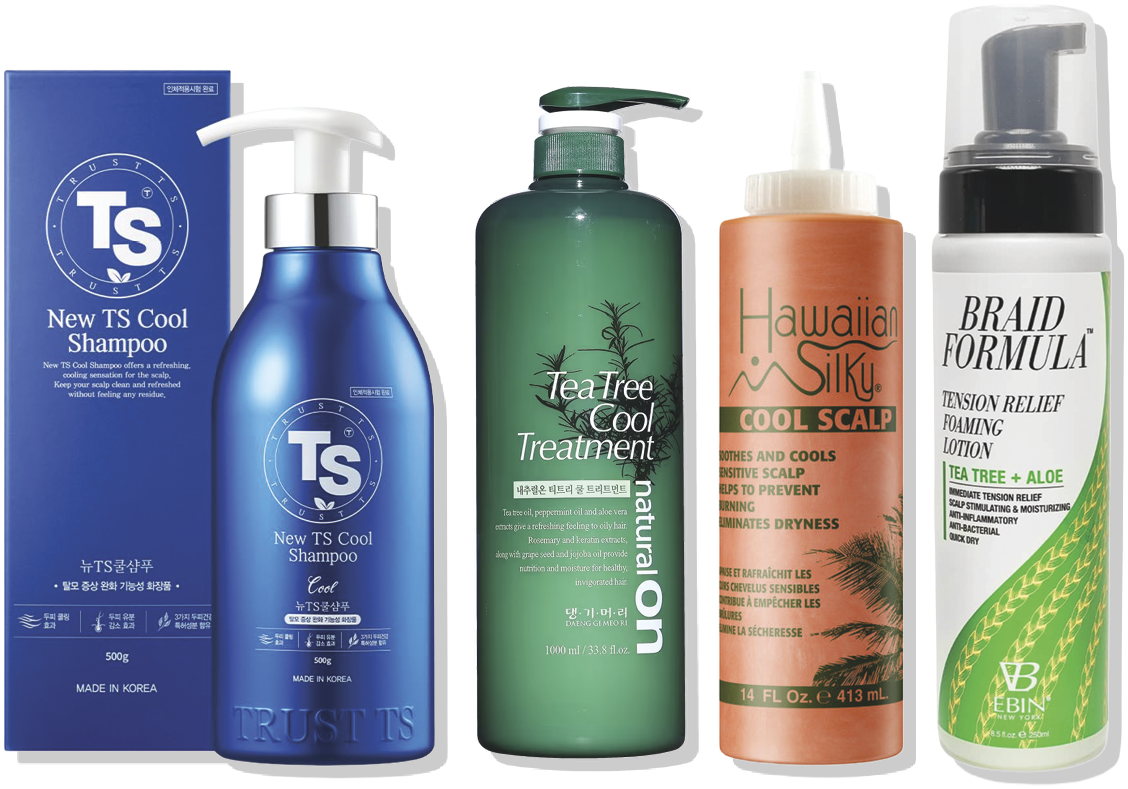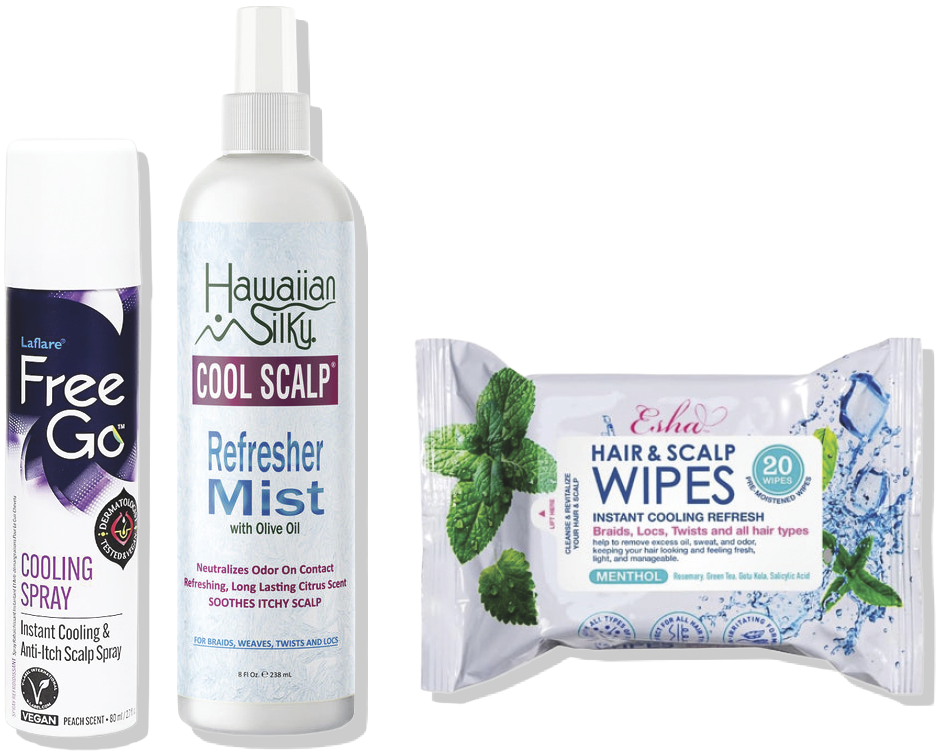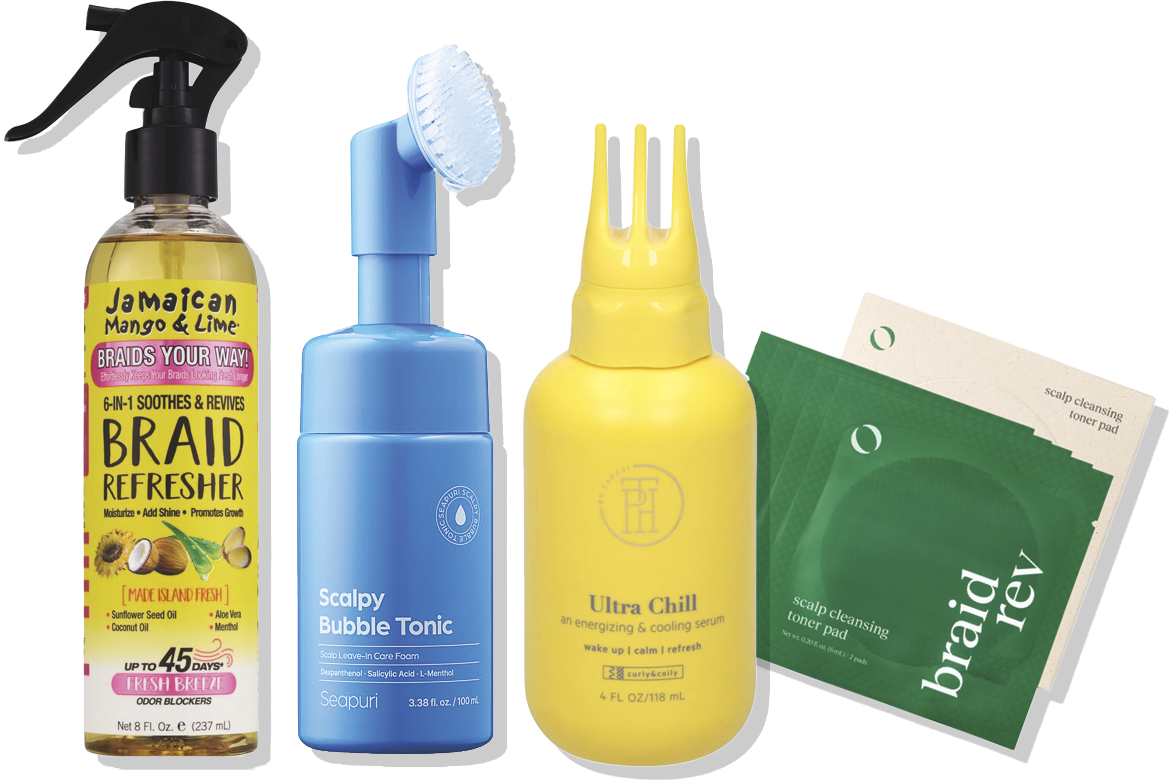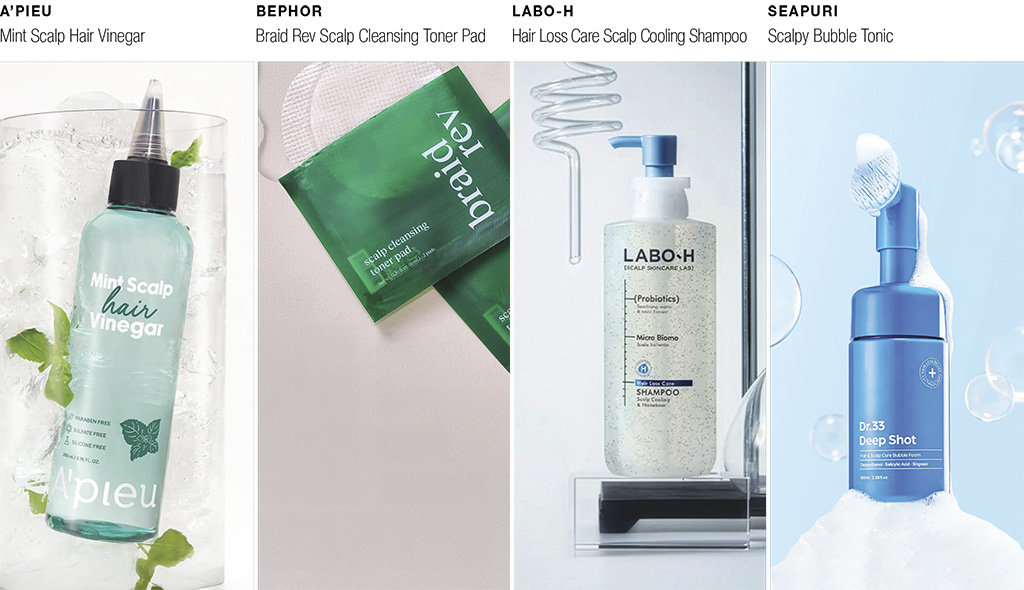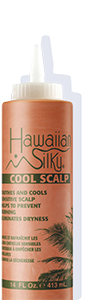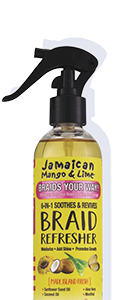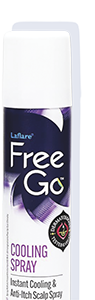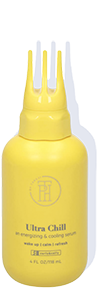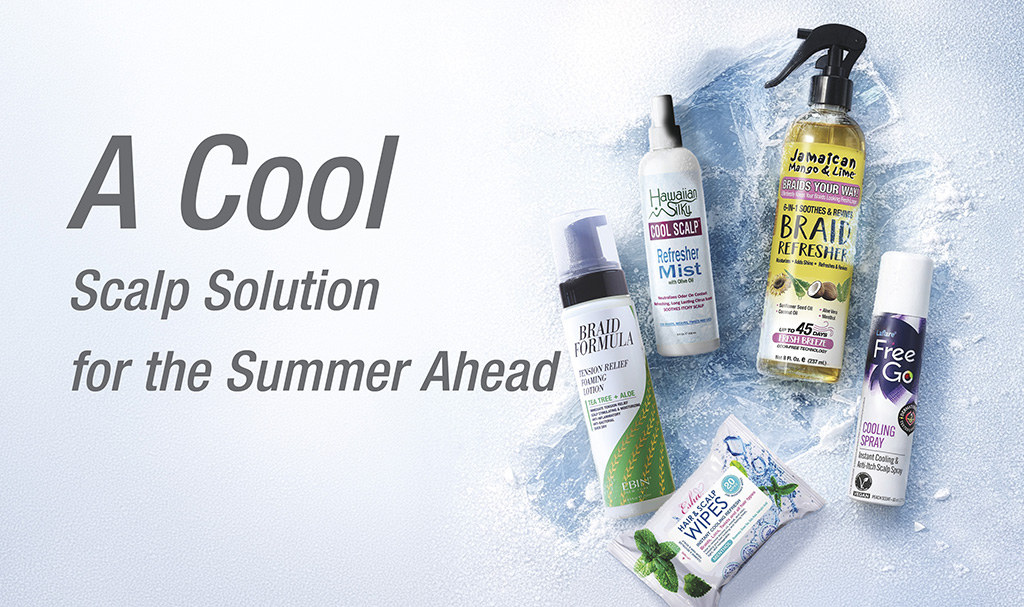
When scalp temperature rises, the first sensations people notice are itchiness and discomfort. As sweat and sebum increase, product residue and dust accumulate more easily, and buildup forms faster as the time between washes grows longer. Odor concerns often follow, and more customers begin to experience scalp discomfort. The strong focus on moisture that dominated the colder months is about to shift. In this season when freshness becomes the priority, what stores should prepare is a cooling scalp solution.
Naturally Curly Hair Is Actually One of the Best Structures for Blocking Sun and Heat
A study published in the Proceedings of the National Academy of Sciences (PNAS) analyzed how hair shape affects scalp heat regulation through controlled experiments. Researchers measured changes in scalp temperature using mannequins in a climate controlled laboratory.
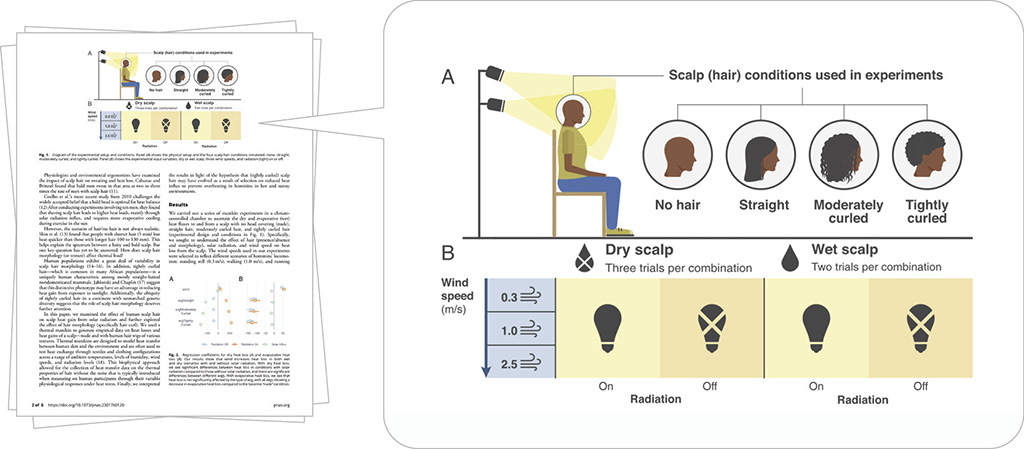
The experiment was conducted under four conditions: a scalp without hair, straight hair, moderately curly hair, and tightly curled hair. Variables such as sunlight exposure, wind speed, and scalp moisture were added to simulate real environmental conditions, and the amount of heat entering and leaving the scalp was measured. The testing environment was set at 86°F with 60 percent humidity, similar to a hot summer day.
The results showed that a scalp without hair absorbed the most solar heat. In other words, when the scalp was directly exposed to sunlight, heat accumulated more easily. In contrast, as hair density increased, the amount of heat reaching the scalp decreased. The stronger the curl pattern, the greater the heat blocking effect.
-

- No hair → highest heat absorption
-
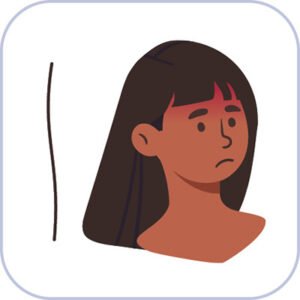
- Straight hair → reduced heat
-
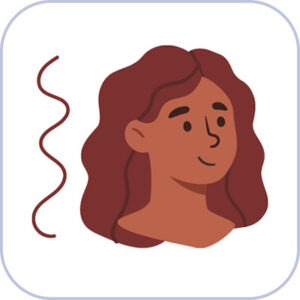
- Moderate curls → further reduction
-

- Tight curls → lowest heat penetration
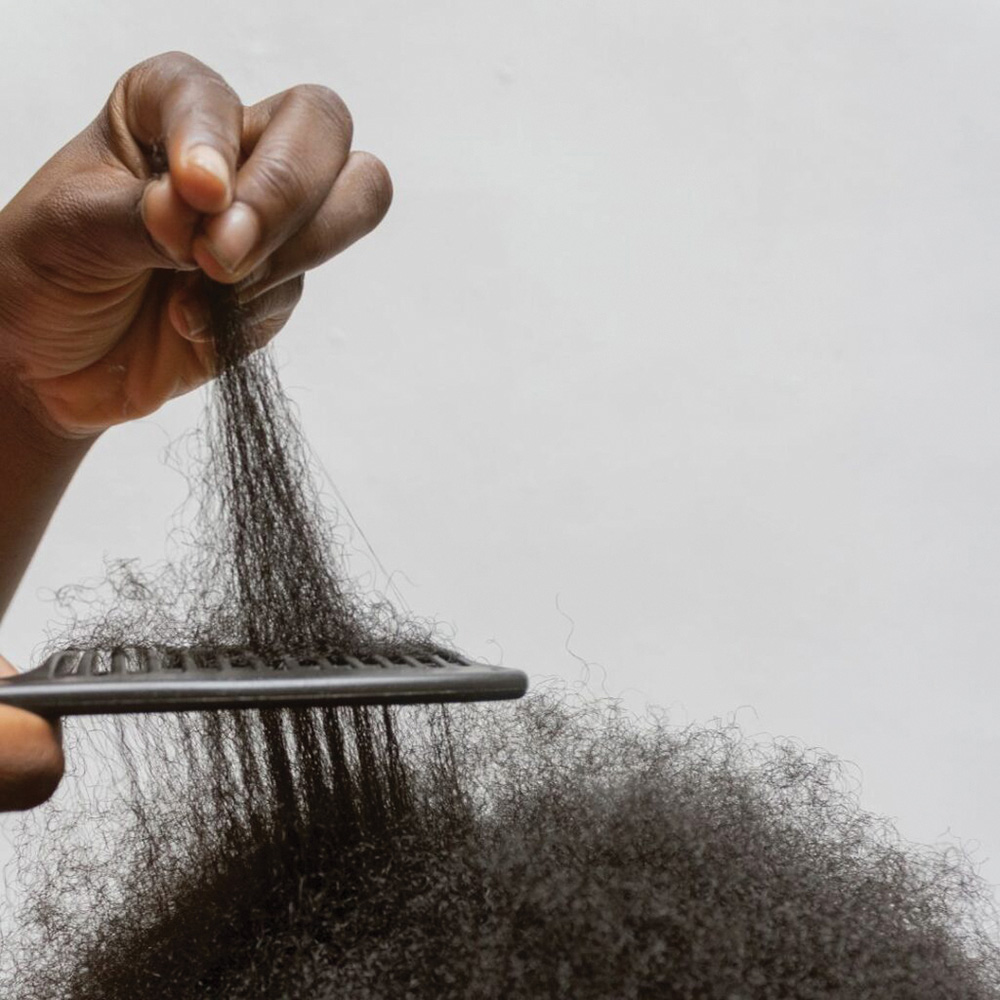
Tightly coiled hair appears to create a natural air layer between strands, which helps soften the amount of heat transferred directly to the scalp. Wind was another factor examined in the experiment. Results showed that as wind speed increased, heat was released from the scalp more effectively. This heat release was even more noticeable under curly hair conditions. Researchers explained that the three-dimensional structure of curly hair forms air pockets between strands, helping air circulate and allowing heat to dissipate from the scalp more efficiently.
A Structure That Supports a Cool Scalp, but Styling Builds Up in Reality
©trusoshairdesign.com
Tightly coiled hair appears to create a natural air layer between strands, which helps soften the amount of heat transferred directly to the scalp. Wind was another factor examined in the experiment. Results showed that as wind speed increased, heat was released from the scalp more effectively. This heat release was even more noticeable under curly hair conditions. Researchers explained that the three dimensional structure of curly hair forms air pockets between strands, helping air circulate and allowing heat to dissipate from the scalp more efficiently.
A Structure That Supports a Cool Scalp, but Styling Builds Up in Reality
In everyday life, however, many Black women maintain hairstyles that include braids, twists, wigs, and other styling methods. Curly hair is structurally more prone to dryness and breakage, so styling often serves a protective role to reduce hair damage. At the same time, hair in the Black community also carries cultural meaning as a form of expression. From traditional braiding styles to modern variations, hair remains an important element of identity and individuality.
This is why scalp care becomes an unavoidable priority. Just as makeup results can suffer when skin condition is unstable, hairstyles are difficult to maintain when the scalp environment is not healthy.
If heat is the enemy of skin, it is also the enemy of the scalp. The scalp is known to have a higher density of sebaceous glands than facial skin and responds sensitively to temperature changes. When scalp temperature rises, it can influence the entire scalp environment. This principle is familiar in skincare as well. Just as higher skin temperature can increase oil production and destabilize skin condition, the scalp also reacts strongly to the variable of heat.
-
- Increased Sebum Production
Studies show that when skin temperature rises by about 1°C, sebum production can increase by roughly 10 percent. As oil production rises, various residues are more likely to accumulate on the scalp. Sweat, sebum, dead skin cells, and styling product residue combine to form what is commonly known as buildup on the scalp surface.
- Changes in the Scalp Microbiome
The scalp naturally contains a variety of microorganisms. Problems occur when heat, humidity, and sebum levels increase simultaneously, as the microbial balance can easily shift. Microorganisms such as Malassezia, commonly associated with dandruff, or Cutibacterium may proliferate excessively, which can lead to symptoms such as scalp inflammation, itching, flaking, and dandruff.
- Impact on the Hair Growth Cycle
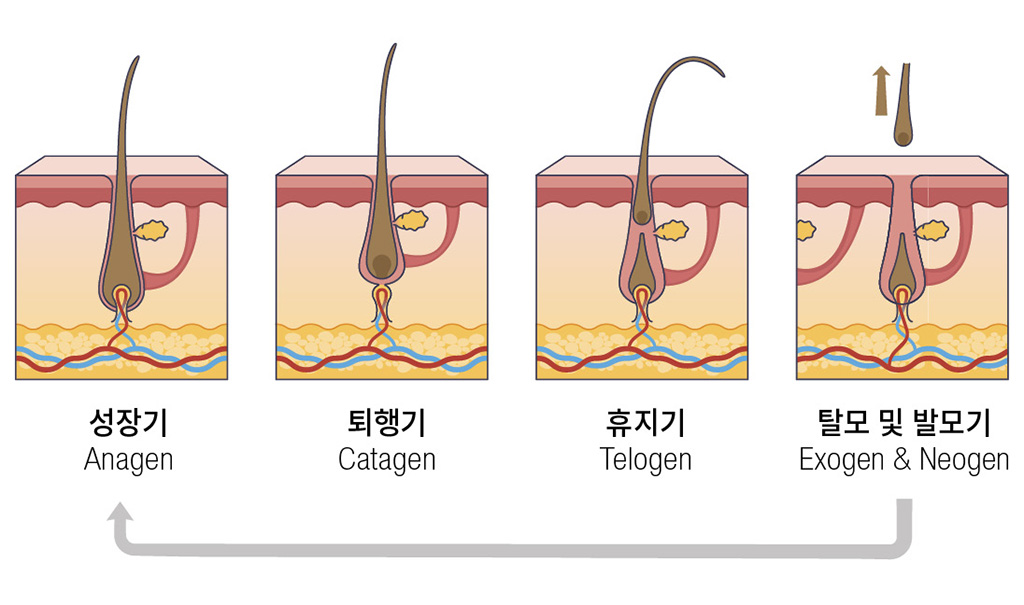
When the scalp environment remains unstable for an extended period, hair may fail to maintain a healthy growth phase and shift prematurely into the resting phase. This condition is commonly referred to as Telogen Effluvium.
Not all scalp heat leads to hair loss, but a consistently warm scalp environment combined with repeated inflammation can place stress on hair growth.