
Year-End: The Season for
‘Turning Inventory into Cash’
Inventory exists in every retail shop, but the word itself feels heavier when demand is soft. With trends moving faster than ever, yesterday’s bestseller can become today’s burden. Many store owners manage this risk by ordering small quantities more frequently. Now the year-end season has arrived. After Thanksgiving, consumers begin spending in earnest around Black Friday. Christmas gifting drives reliable demand, and afterward, the belief that “prices are lowest now” pushes sentiment even higher. The key question, then, is where to set the target. Retailers must ride the wave of spending while converting long-stagnant stock into cash. This is the most logical moment to turn inventory into money.
Step 1 – Managing Inventory by ‘Numbers,’ Not by ‘Instinct’
The starting point of any year-end sale is to set a clear objective. If the goal is to reduce inventory but the warehouse looks the same afterward, it is a failure. If the goal is to maintain margin but profit falls despite higher revenue, it is also a failure. Success must be defined first. The tool for checking and managing that standard is the KPI (Key Performance Indicator). Numbers without goals mean little, and goals without numbers cannot be achieved. Goals and numbers must therefore go together.

Essential KPIs for Beauty Supply Retailers
 It is the most important indicator in retail operations, because how well incoming goods sell reflects the health of the store. A high sell-through rate signals strong demand, efficient sales processes, and accurate decisions in merchandising and ordering.
Tips for use:
• Compare sell-through rates by brand and category to spot ‘fast’ and ‘slow’ movers.
• Use sell-through data of similar items to negotiate new product proposals with suppliers.
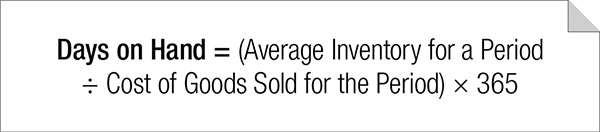
This indicator is directly tied to the efficiency of store space. It shows how long inventory stays before it is sold. Low DOH means stock moves quickly and efficiently, while high DOH signals excess inventory or slow-moving items.
Tips for use:
• Calculate DOH by product group and flag items over 60 days as potential dead stock
• Regularly visualize “items turning within 30 days vs items taking more than 60 days” for management

A key metric for the year-end sale season. Dead stock refers to inventory that no longer sells or is in demand. Tracking it helps convert ‘stagnant assets’ into cash.
Tips for use:
• Lowering dead stock speeds up cash flow
• Use a list of items ‘unsold for over 90 days’ as sale targets
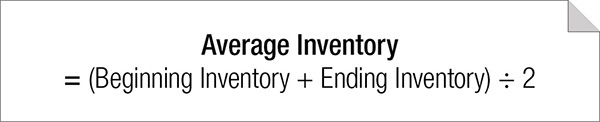
It sets the benchmark for ‘optimal ordering.’ With numerous SKUs in beauty supply by brand, color, and length, visualizing overstock and understock relative to average inventory is essential. This reveals turnover patterns and refines sales strategy.
Tips for use:
• Compare monthly sales to average inventory to determine optimal stock
• Maintain average inventory for high-margin items to improve profitability
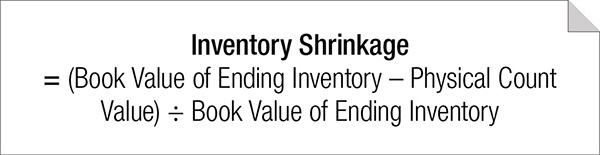
This metric tracks theft, damage, and miscounts. Beauty supply stores have large displays and frequent staff changes, so POS data should be compared with physical counts each quarter. Managing inventory loss consistently helps detect issues early and prevent unnecessary loss.
Tips for use:
• Track loss rates separately for high-value items like wigs, glue, and hairdryers
• Record differences between POS and physical inventory to identify potential theft points
Step 2 – Setting Up for Sales Growth
©sciative.com
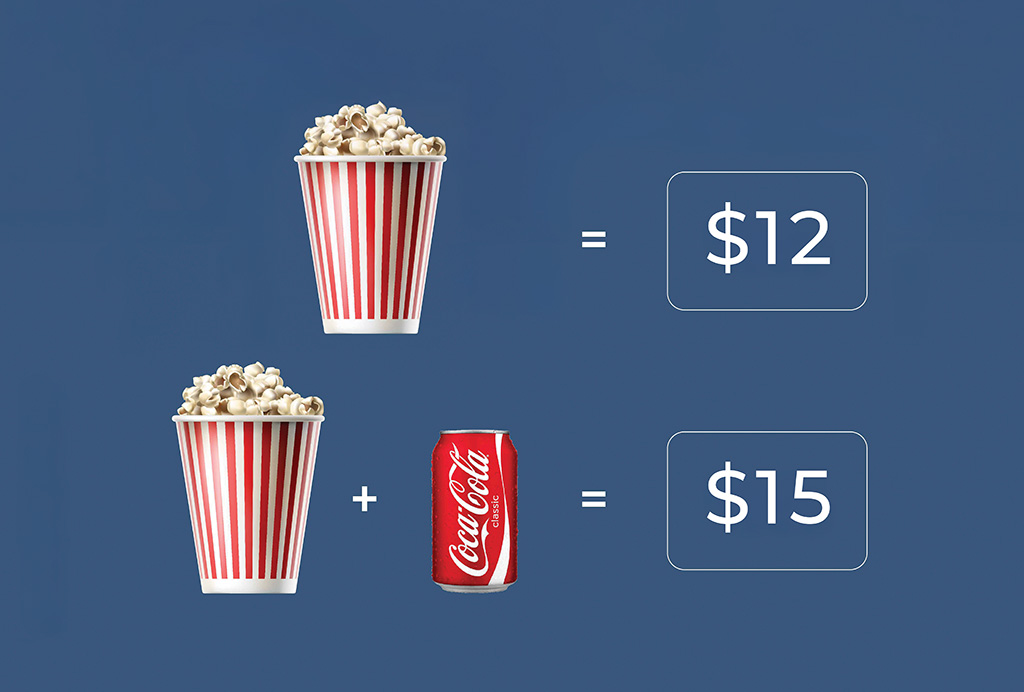
1. Bundling Strategy
Combine ‘slow-moving inventory with steady sellers,’ but never discount the steady seller’s price. This creates a sense of value for customers while protecting store margins.
Example: “Hair + Edge Control + Brush” / “Spray + Mousse + Oil”
 2. Use “Time-Limited Offers” Instead of “First Come, First Served”
Year-end shopping visits are spread out due to family and social schedules. A timer-based promotion works better than a limited-quantity offer. A defined time frame triggers FOMO (Fear of Missing Out), increasing conversion rates.

© dillard
3. Sell Through “Usage Context” with Tip Cards
Attach cards that present specific use scenarios such as, “Holiday Party Hair,” “Kids’ Christmas Look,” “Winter Moisture Routine.” Such context-driven displays help customers instantly visualize their needs, driving higher conversions than single-item displays.
4. “1+Bonus” Beats “Buy 1 Get 1”
Instead of simple duplication, offer a bonus item, such as “Free travel-size with purchase of hair oil.” Customers perceive added value, while stores clear inventory and maintain average transaction value. This also enhances trial opportunities and brand trust.
Step 3 – The Touch-Up That Drives Purchase
① Store Decoration: Boosting Year-End Atmosphere
-

- Amazon.com
-

- ©Ebay.com
Customers are already in a festive, “happy spending” mood during the year-end season. Setting the tone from the entrance is key. Even without grand decorations, accent lighting, ribbon-tied gift displays, and winter-themed POPs create strong impact. A well-crafted year-end ambiance is a simple yet powerful purchase trigger, further enhanced by scented diffusers or candles.
② Counter: The Final Sales Spot
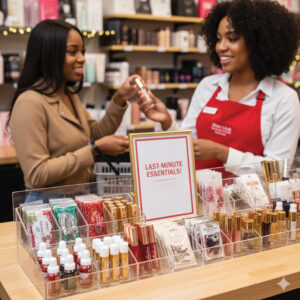
The counter is the last natural point for making a suggestion. Products highlighted here often boost sales. Explaining related items while the customer checks out feels helpful to them and creates additional sales opportunities. During year-end, place small but essential items like edge control, lip gloss, eyelash glue, hairpins, and mini oils in clear view. Training staff on suggestion phrases across the store can make the final recommendation a decisive sales driver.

COSMO TECH Developer Interview – “We’ve Entered an Era Where AI Assists Business Owners.”


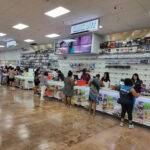

Beauty supply stores carry a wide range of items from wigs and braiding products to chemicals, jewelry, and accessories, totaling hundreds of SKUs. Entering invoices, updating inventory, and placing orders is surprisingly labor-intensive. A single day’s delay can skew the data, requiring manual corrections. “Now AI can handle these tasks,” says a developer from POS specialist Cosmo Tech.
Cosmo Tech is an integrated store management company serving major retailers like H Mart and security systems for Korean conglomerate factories. With 8 years in IT and 12 years in POS, credit card, and security systems, it has 20 years of hands-on experience. The company designs and develops all programs needed for store operations in-house.
Cosmo Tech’s AI invoice recognition greatly eases inventory management. Upload an invoice image, and the AI automatically extracts and enters items regardless of format. For new products without invoices, a single click generates a UPC or internal product code and registers it in the POS, speeding up product management. It also analyzes sales history, purchase patterns, and product combinations to suggest which items to bundle, how, and when to sell.
The developer said they have seen firsthand the challenges stores face. “When a store struggles, the root cause is usually inventory. With many items and repetitive tasks, delays lead to loss of control. Now it can be managed with just a few clicks. In the end, data protects the store.”
Cosmo Tech does not use external servers, so there are no monthly fees. Its on-site servers ensure stable operation even during external outages or security issues.