Walmart, Target Scale Back DEI Policies
Will Consumers Shift to Local Beauty Supply Stores?
As Walmart and Target scale back their Diversity, Equity, and Inclusion (DEI) initiatives, backlash is mounting—particularly within Black and minority communities. With the “stand your ground” boycott movement gaining momentum, many DEI-focused brands are reevaluating their distribution strategies. In this shift, local beauty supply stores are emerging as trusted, values-driven alternatives, well-positioned to fill the gap left by big-box retailers and reassert their role in the retail ecosystem.
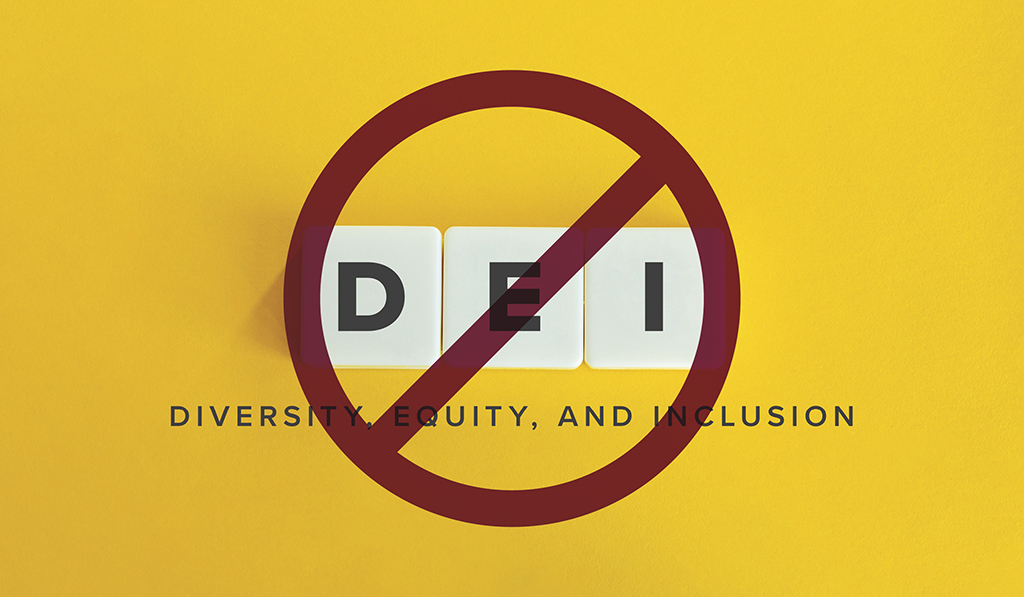
DEI programs scaled back or discontinued
Since George Floyd’s death in 2020, major U.S. retailers ramped up Diversity and Equity efforts—Walmart launched a $100 million Center for Racial Equity, and Target prioritized Black-, women-, and other minority-owned brands. However, after the Supreme Court struck down race-based preferences in 2023, momentum began to shift. Starting in 2024, under growing conservative pressure, many companies began cutting DEI-related training, documentation, and budgets.
· Walmart: Scaled back DEI documentation and training
· Ford, Toyota, Harley-Davidson: Reduced DEI budgets and programs
· Meta, Amazon, McDonald’s: Discontinued DEI programs
The rollback accelerated in January 2025, when President Trump signed an executive order cutting federal DEI funding. Target ended its Racial Equity Action and Change (REACH) program and dropped its diversity-focused supply chain strategy. As DEI-friendly companies reverse course, many brands are losing key distribution channels, limiting consumer access to products that align with diversity and equity principles.
Consumers shift from big-box retail to ‘direct support purchases’
On January 24, Target announced plans to scale back its DEI policies, including programs that support and promote Black-owned brands. Notable names such as The Doux, Camille Rose, Mielle, and The Lip Bar are among those directly or indirectly affected by the change, which could limit their promotional opportunities and shelf presence within the retailer. In response, many in the Black community have called for a boycott of Target—expressing concern over the potential harm to these brands and prompting a broader reassessment of consumer trust in big-box retail.
Maya Smith: “Defend your brands, not boycott them”
Maya Smith, founder of The Doux, addressed the Target boycott on Instagram, urging the community to consider the broader consequences. “Removing financial support from Black-owned brands doesn’t hurt big retailers—it hurts the brands you care about,” she said. Smith emphasized that her company’s success is not simply the result of DEI initiatives: “Reactions like this make it seem as if we’re here solely because of DEI policies. In reality, we’ve built The Doux through countless sacrifices and creativity.”
Local beauty supply stores are becoming go-to destinations
Consumers who support DEI values are increasingly turning to alternative retail spaces. On platforms like TikTok and Instagram, hashtags such as #SupportBlackOwned, #BuyLocal, and #ShopSmall have fueled widespread campaigns promoting locally owned brands and stores—movements that are now influencing real purchasing behavior.
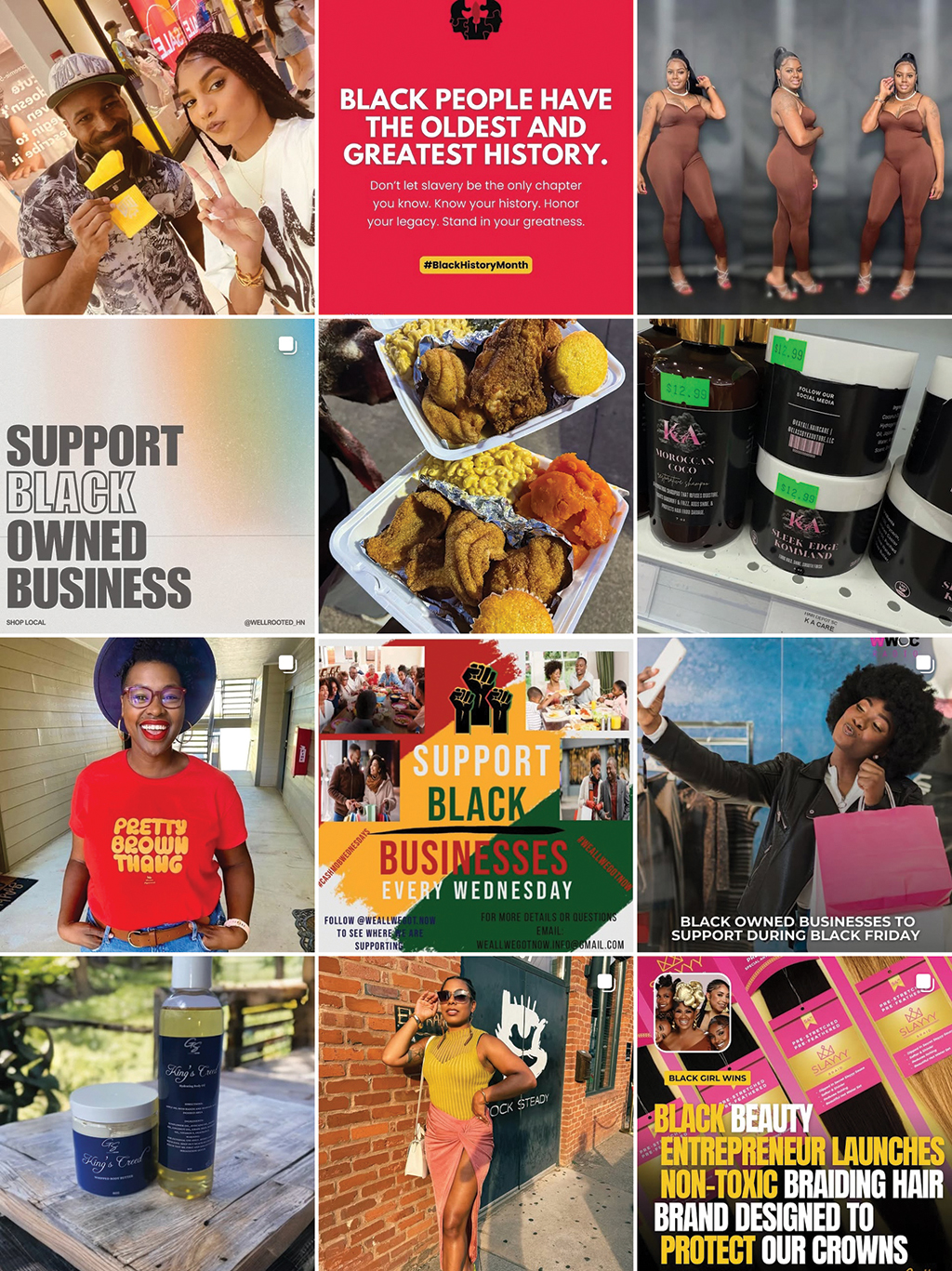
©Instagram, The #SupportBlackOwned hashtag continues to drive meaningful support for Black-owned businesses.
For brands, this shift is just as evident. Many are moving away from traditional big-box retail distribution strategies in favor of partnerships that are closer to the customer. Some are pioneering flexible models—such as direct deals with independent stores, regional exclusives, and co-branded marketing efforts.
Local beauty supply stores are making a strong comeback as trusted retail hubs. Beyond offering in-depth product knowledge, they act as authentic brand ambassadors—sharing brand values directly with customers. Their close ties to the community and direct relationships with brands make them valuable partners in today’s evolving retail landscape.
Time to bring beauty supply into the spotlight
Local beauty supply store owners have an opportunity to clearly define their store’s identity and to serve as a bridge between consumers and brands.
✅ Operating a value-driven store
When a store highlights what a brand stands for and why a product matters, it becomes more than just a place to shop—it becomes a space where values are shared and deeper connections are made.
✅ Engaging directly with brands
Brands dropped by big-box retailers create new opportunities for local stores, including exclusive discount deals. To build strong partnerships, it’s essential to show that your store can represent a brand’s mission with integrity.
✅ Leveraging social media
Use hashtags like #SupportBlackOwned, #BuyLocal, and #ShopSmall to strengthen your store’s identity, highlight the purpose behind the products you carry, and build a more authentic connection with your customers.