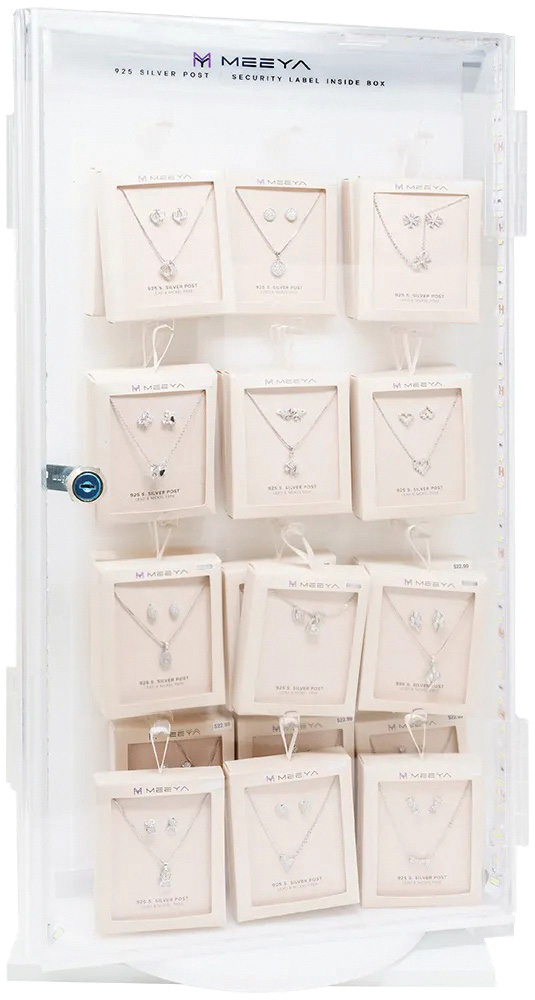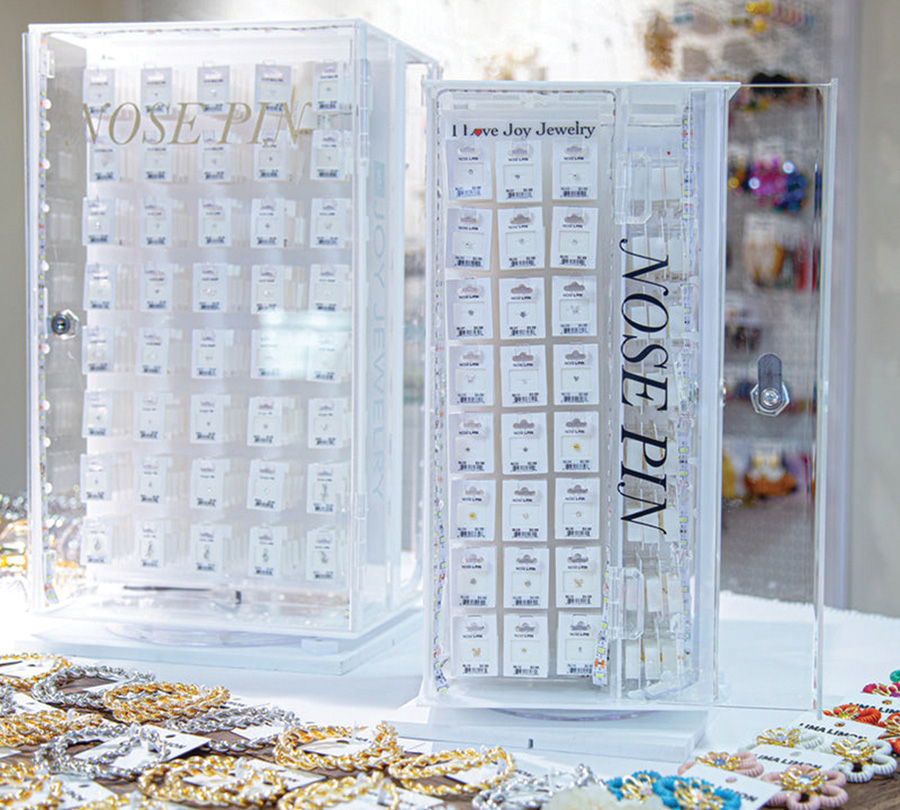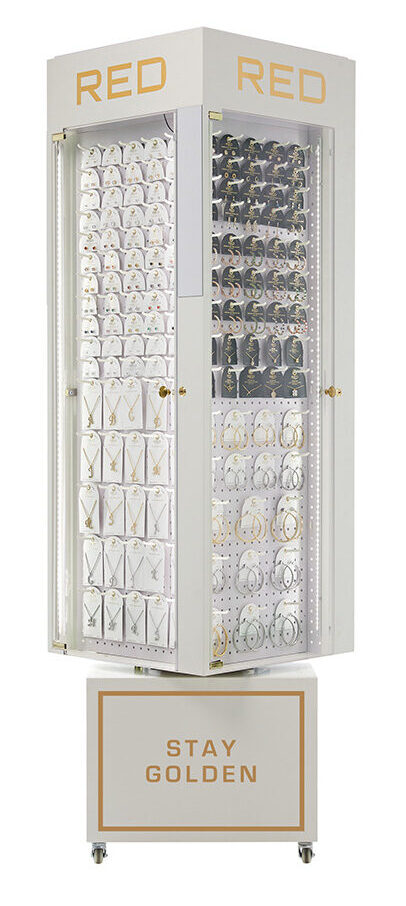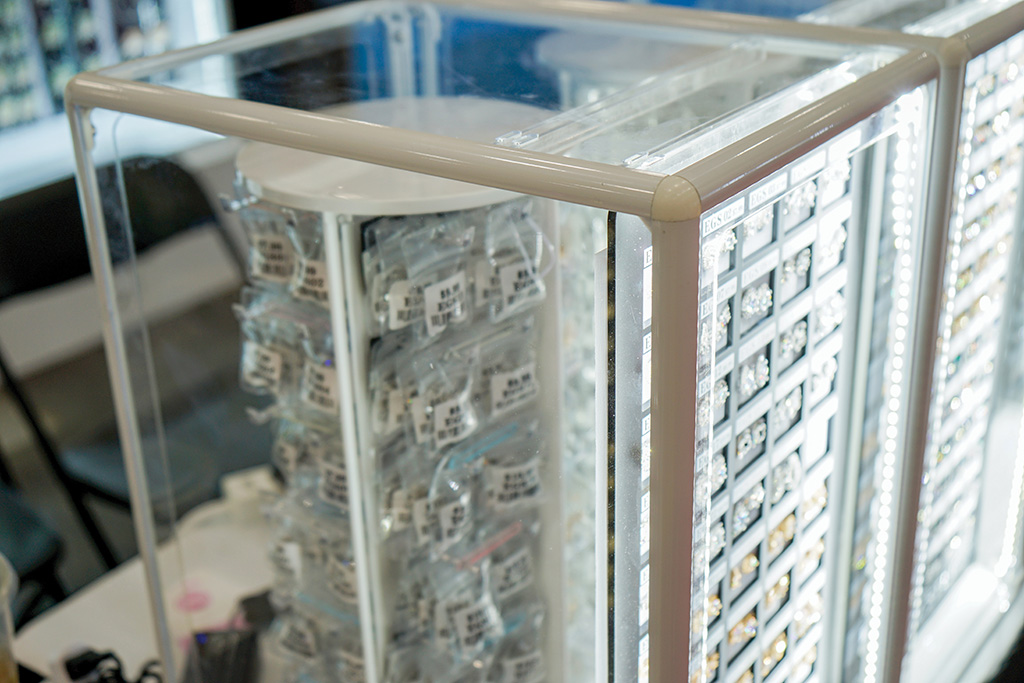
Jewelry That Brings the Joy
Back to Selling
Jewelry aligns naturally with beauty products and remains an easy category for retailers to stock. Strong margins and simple upkeep lead many owners to say “it requires little involvement.” However, this statement has another implication. The category depends heavily on supplier selection and often stays passive, with sales limited to items customers already intend to buy. If good retail means encouraging customers to pick up more than planned, jewelry still has untapped potential. It attracts customers of all ages, and even small styling cues can spark visible interest. The category offers space for a shop owner’s personal touch to make a difference. This article explores practical strategies to grow jewelry sales and the tools each brand provides to support them.
Know Your Customer to Make Your Touch Count
Many still view the COVID-19 period as a turning point, when the world seemed to change rapidly. People became comfortable spending time alone, and platform-based relationships became natural. These shifts reshaped consumption patterns.
Customers no longer rely solely on staff explanations. According to Google Research, 83% of U.S. consumers search online before visiting a store. Yet in-store ‘experience’ remains a key driver of purchase. Stores have become spaces to ‘confirm and buy on the spot,’ while building ‘trust through direct experience.’
Gen Z sits at the center of this change. Once trendsetters, they are now a major spending force shaping the market. They prefer fast, convenient purchases but also use consumption to express themselves. How should jewelry be presented in this context? The decisive moment comes not from the product alone, but from helping customers envision the self they want to show.
The Secret Is a Display That Delights Customers
✔ Even a 10-Year-Old Can Tell Earrings from Nose Rings. Easy-to-See Displays Encourage Sales.
Jewelry comes in many types, from body piercings to earrings, rings, and anklets. Small sizes and similar designs can confuse customers, and hesitation over an item can halt a sale. Stored in glass cases for security, jewelry often cannot be handled, so whether a customer asks a staff member or walks away can determine the purchase. Clear visual distinction is therefore essential.

- Use small illustrations to indicate body parts such as ears, nose, navel, and hands
- Attach a small “Zone Sign” to each display to guide customers
✔ Boost Jewelry Sales with Sets and Layering – Smart Styling Raises Average Spend
@4theluvofnoi #fyp #goldjewelry #westindian #blackgirltiktok #florida ♬ original sound – afrocentric_illustrator
The strongest recent trend among Black female consumers is layered styling. Earrings are worn in sets of three to five, necklaces are mixed in varying lengths and thicknesses, and bracelets and anklets are balanced on both wrists or ankles for a full-accessory look.
- Mannequin display: Layered outfits shown on mannequins to give clear styling ideas.
- Recommended sets: Offer packages of three items, such as “1 main + 1 accent + 1 mini ring.”
- SNS style cards: Provide in-store styling cards so customers can recreate looks seen on SNS.
✔ Be Clear About Units! – Single, Pair, or Set Makes Customers Feel Confident
When similar-looking products are displayed side by side, unclear pricing can halt a sale. Questions like “Is this a pair or single?” or “Is this a set?” reduce the time customers spend at the display and lower purchase intent. As the saying goes, price uncertainty stops buying, so a clear pricing structure helps speed up sales.
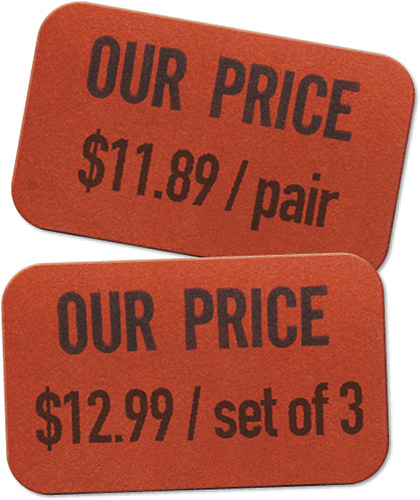
Therefore, pricing should follow three principles:
- Clear units: Always indicate whether the price is for a single item, a pair, or a set of three.
- Readability: Use price tags that are easy to see rather than small stickers.
- Consistency: Display prices in the same position and format within the same category.
We Asked Jewelry Brands:
“Do Brands Have Unique Tools to Boost Sales?”