Coupons are often seen as a simple promotional tool that offers a price discount. However, while some coupons successfully encourage repeat visits and steadily increase sales, others are ignored and eventually discarded. What creates this difference? Looking at leading retail coupon strategies in the United States, it becomes clear that success depends not on the discount amount, but on structure, timing, and how effectively customer behavior is guided. Let’s explore examples that can be directly applied to your own store.
Coupons That Drive Sales vs. Coupons That Get Ignored
Ulta Beauty
– Creating the Thought: “I Should Go Back to Use My Coupon”
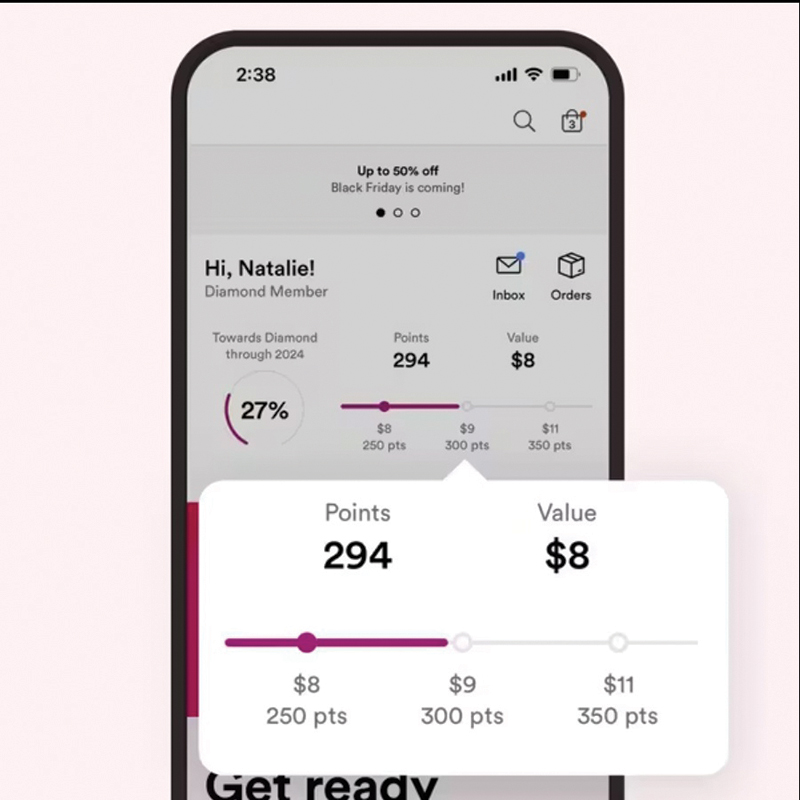
Ulta Beauty designs its coupon system not as a one-time discount, but as a mechanism that naturally connects one visit to the next. When customers make a purchase at Ulta, they earn points that can later be used like real money.
For example:
$100 purchase → points earned
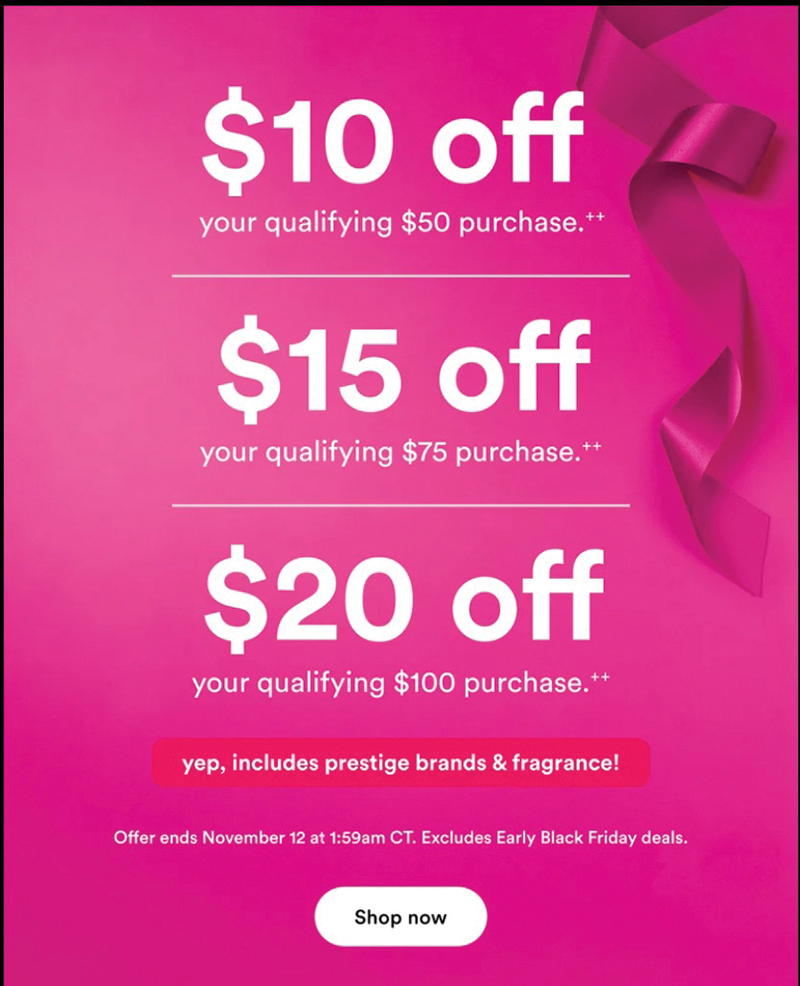
Next visit → $10–$20 discount using points
But it doesn’t stop there. Ulta continuously sends personalized coupons via email and app notifications. These are not random; they are based on purchase history, including frequently bought products and preferred brands. This creates a clear mental flow for the customer: “I’ve earned points, I should use them next time.” “I got a coupon, I should visit.” “If I don’t go now, I might miss out.”
As a result, customers don’t just visit because they need a product—they return because they now have a reason to buy.
How to apply this to your store
The key takeaway from Ulta is clear. Coupons should not be designed as one-time discounts, but as tools that bring customers back.
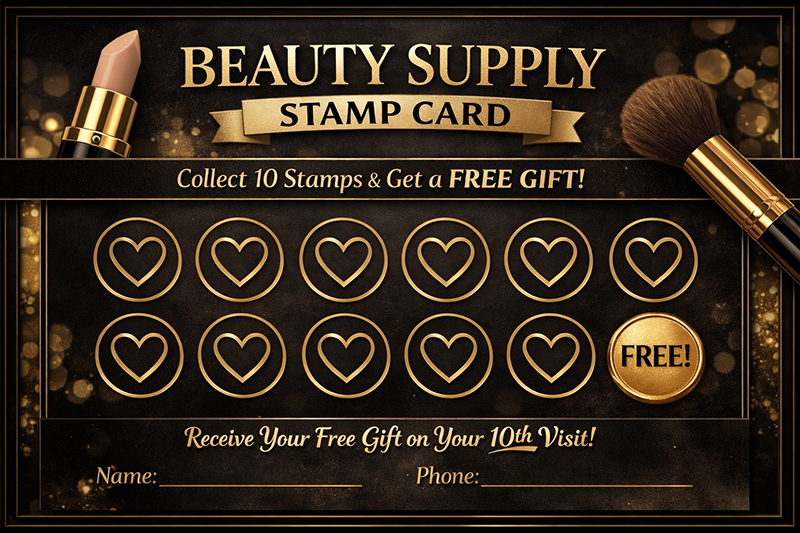
- Offer points or stamps at the time of purchase
“Get $5 off after 5 visits” - Always provide a coupon for the next visit
“10% off if used within 2 weeks”
Kohl’s
– When Strong Coupons Become a Problem
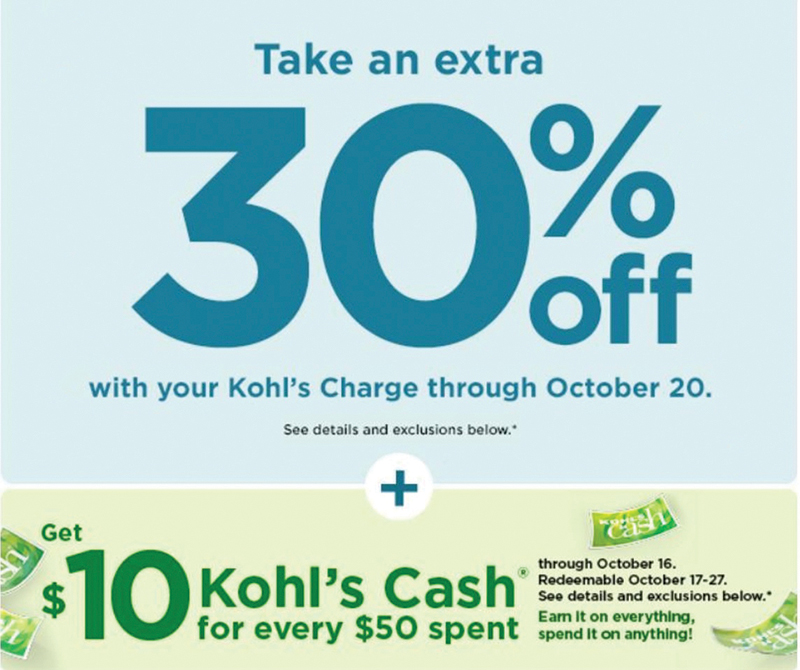
Kohl’s is a well-known example of a retailer that achieved strong sales growth through aggressive coupon strategies. By offering coupons (Kohl’s Cash) that could be used on future visits after spending a certain amount, the brand successfully encouraged repeat traffic in its early stages.
However, as the benefits became stronger, unexpected issues began to emerge. Kohl’s restricted coupon use on certain brands such as Nike and Levi’s, and many customers only discovered at checkout that their coupons did not apply to the items they wanted.
This led to repeated experiences where “a coupon exists but cannot be used,” gradually weakening customer trust. The need to constantly check whether a coupon applies disrupted the purchasing process.
Short expiration periods also became a concern. With most coupons requiring use within one to two weeks, customers who missed the window felt not only disappointment but also a sense of loss. These negative experiences reduced the likelihood of return visits.
→ The stronger the coupon benefit, the simpler and clearer the conditions must be. The moment customers have to question whether a coupon can be used, its marketing effectiveness drops significantly.
Sephora
– Offering a Special Experience Instead of a Discount
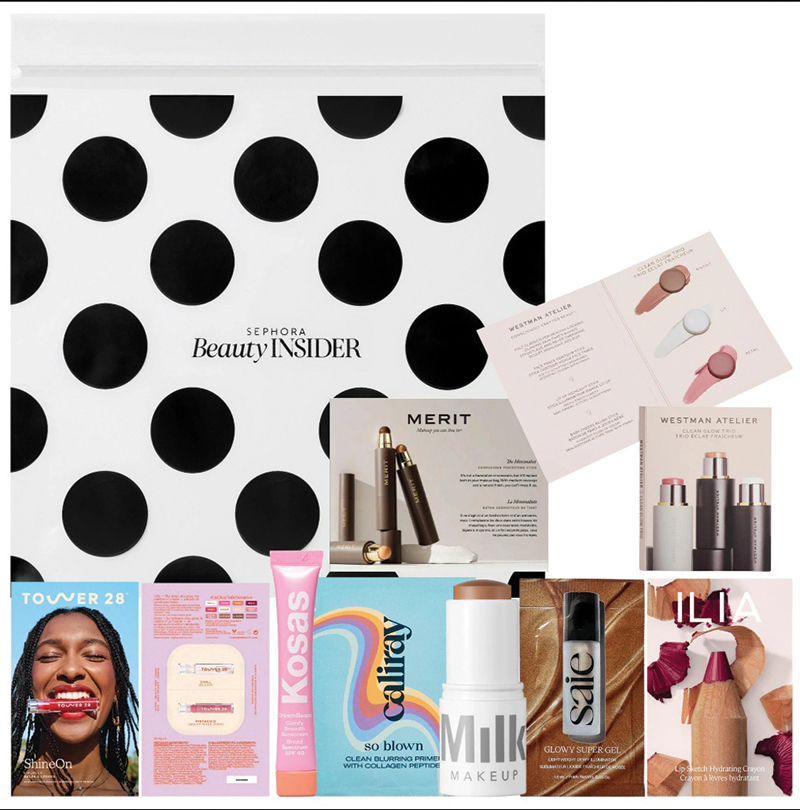
Sephora chose a different path from the typical discount-focused approach. Instead of lowering prices to attract customers, it designed a system where visiting the store itself is rewarded.
Customers receive a small free product on their birthday, and points earned through purchases can be exchanged for mini products or popular items. As customers move up membership tiers, they gain access to more exclusive benefits and event invitations.
This structure creates the feeling that the store genuinely cares about them. Customers begin to think: “I always get something when I come here.” “Even if it’s slightly more expensive, I want to buy here.”
This emotional connection leads to repeat visits. Sephora uses coupons as a tool for building relationships.
How to apply this to your store
Like Sephora, create event-based coupons that make customers feel special. This shifts them from being ordinary shoppers to valued customers.
- Offer small samples or gifts for birthday customers
- Provide points for purchases above a certain amount
- Host exclusive events for loyal customers (makeup days, product trials, etc.)
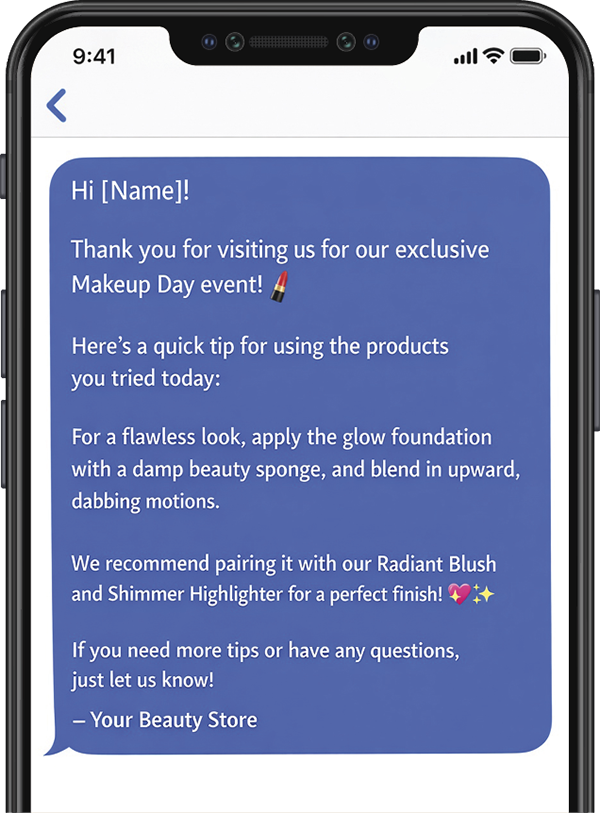
- Send simple follow-up messages via text or email after purchase (usage tips, product recommendations)
Kroger
– When Digital Coupons Become Inconvenient
Kroger recently introduced digital coupons. Customers can select and save coupons in the app, and discounts are automatically applied at checkout. On the surface, this seems very convenient—no need to carry or present paper coupons.
However, the actual user experience proved more complicated. Customers must download the app, sign up, stay logged in, and manually search through numerous coupons to select and save them. This requires effort and active engagement, which many customers find inconvenient. For those less familiar with digital tools, the process feels even more difficult.
Another issue is reliability. Customers may believe they saved a coupon, only to find that the discount is not applied at checkout. After a few such experiences, trust declines, and customers may stop using coupons altogether. In some cases, they may even reduce store visits.
→ No matter how convenient a system appears, it is meaningless if the target customers find it difficult or confusing to use. This is especially important for small retail stores. The key is not the technology itself, but how easily customers can understand and use it without explanation.
Creating “Our Store’s Coupon” — STEP BY STEP
1. Create a Next-Visit Coupon
How to create
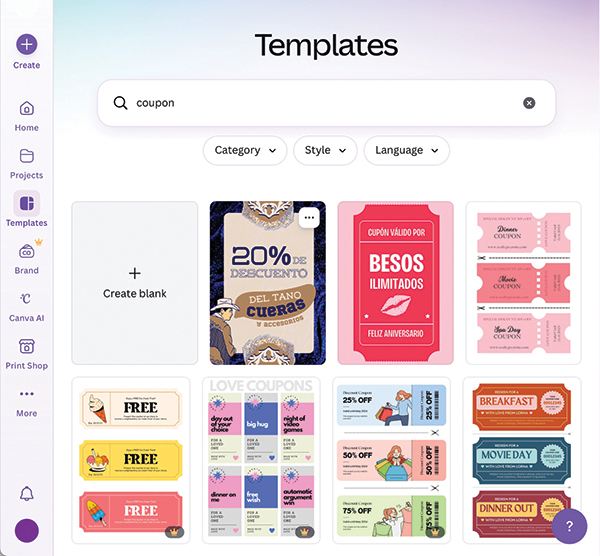
● Search “coupon” templates on Canva
● Or design simply using Word or PowerPoint
● Recommended size: business card (3.5 x 2 inches)
Printing options
● Print in color at home and cut
● Use Staples or FedEx Office
● For bulk orders: VistaPrint (cost-effective and reliable quality)
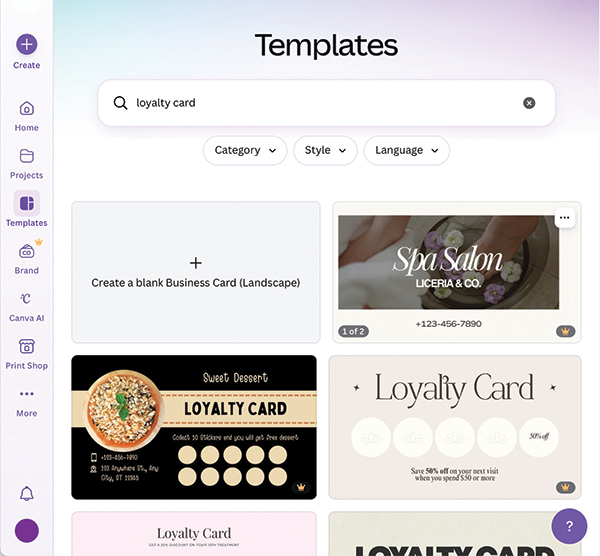
Create a Stamp Card
How to create
● Search “loyalty card” on Canva
● Use a 6-box or 10-box layout
● Add your store logo and a simple message
Materials
● Rubber stamp (about $10 on Amazon)
● Or simply use a pen for check marks
Tips
● Use thick cardstock paper
● Make it small enough to fit in a wallet