Tightening Costs and Reducing Unnecessary Spending

Tightening Costs and Reducing Unnecessary Spending

Rising global uncertainty is increasing concerns about price hikes. But for many stores, the bigger worry is not future price increases, but the noticeable decline in foot traffic. As the cost of living rises, customers are postponing outings altogether, and nonessential spending is being pushed even further down the priority list. The challenge is that it is difficult to predict how long this situation will last or how it will evolve. With uncertainty this high, making large scale changes can feel risky. Instead, this is the time to focus on what can be controlled within the store. When household budgets tighten, the first step is to cut unnecessary expenses. The same principle applies to store operations. Start by reviewing the small costs that may have been overlooked.
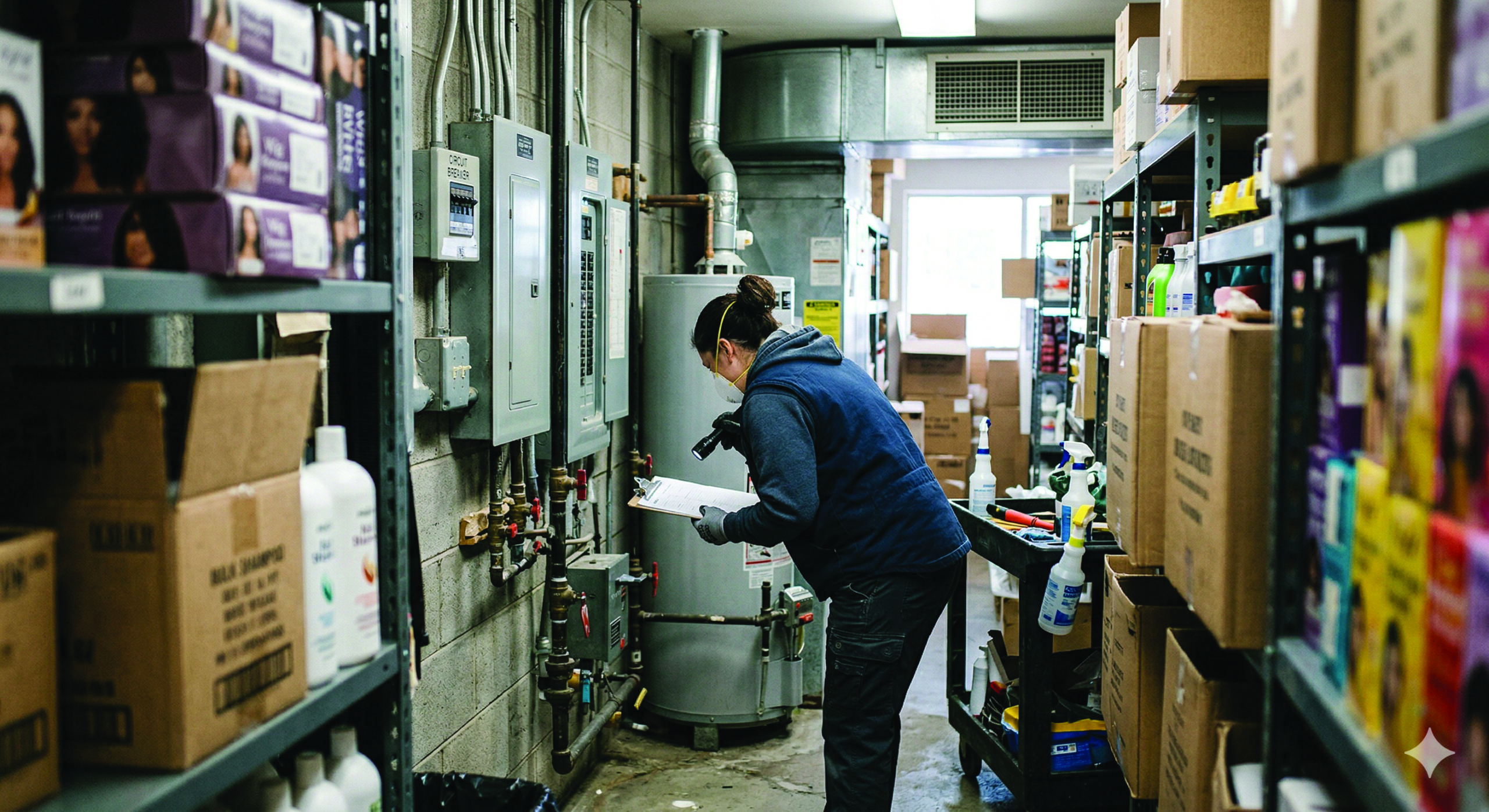

 “Costs Left on Without Thinking”
— Utility Check

With utility costs rising, electricity and heating or cooling are the most immediate fixed expenses to review.

Store checklist
◻ Are there lights left on unnecessarily?
◻ Are all lights kept on even during low traffic hours?
◻ Is the air conditioning or heating set higher or lower than necessary?
◻ Are unused areas such as storage or office spaces being cooled, heated, or lit the same as active areas?
◻ Are lights or systems running longer than needed before opening or after closing?

Operational points
● Switching long use lighting to LED can reduce both energy consumption and heat. However, changes should be made gradually to maintain the store’s atmosphere by adjusting brightness and color temperature.
● Set heating and cooling based on a “comfortable enough” standard rather than maximizing comfort.
● Manage unused areas separately to minimize lighting and climate control.
● During non peak hours, consider lowering lighting levels and cooling by one step.

“Idle Time”
— Labor Cost Review

Labor costs occur regardless of sales. At this stage, the priority is not simply cutting staff, but understanding how labor is being used.

Store checklist
◻ Are staffing levels the same even outside peak hours?
◻ Are employees staying idle during slow periods?
◻ Are tasks clearly defined for low traffic hours?
◻ Are instructions and completion checks clearly managed?

Operational points
● Treat slow periods not as idle time, but as time for organization and preparation. Assign tasks such as restocking, merchandising, and cleaning.
● Create time based task checklists to set clear expectations.
● Communicate tasks clearly and establish a system to confirm completion.

“Everyday Spending Without Thought”
— Consumables Management

Consumables may seem minor, but repeated use makes them one of the most consistent sources of cost leakage. Small habits deserve closer attention.

Store checklist
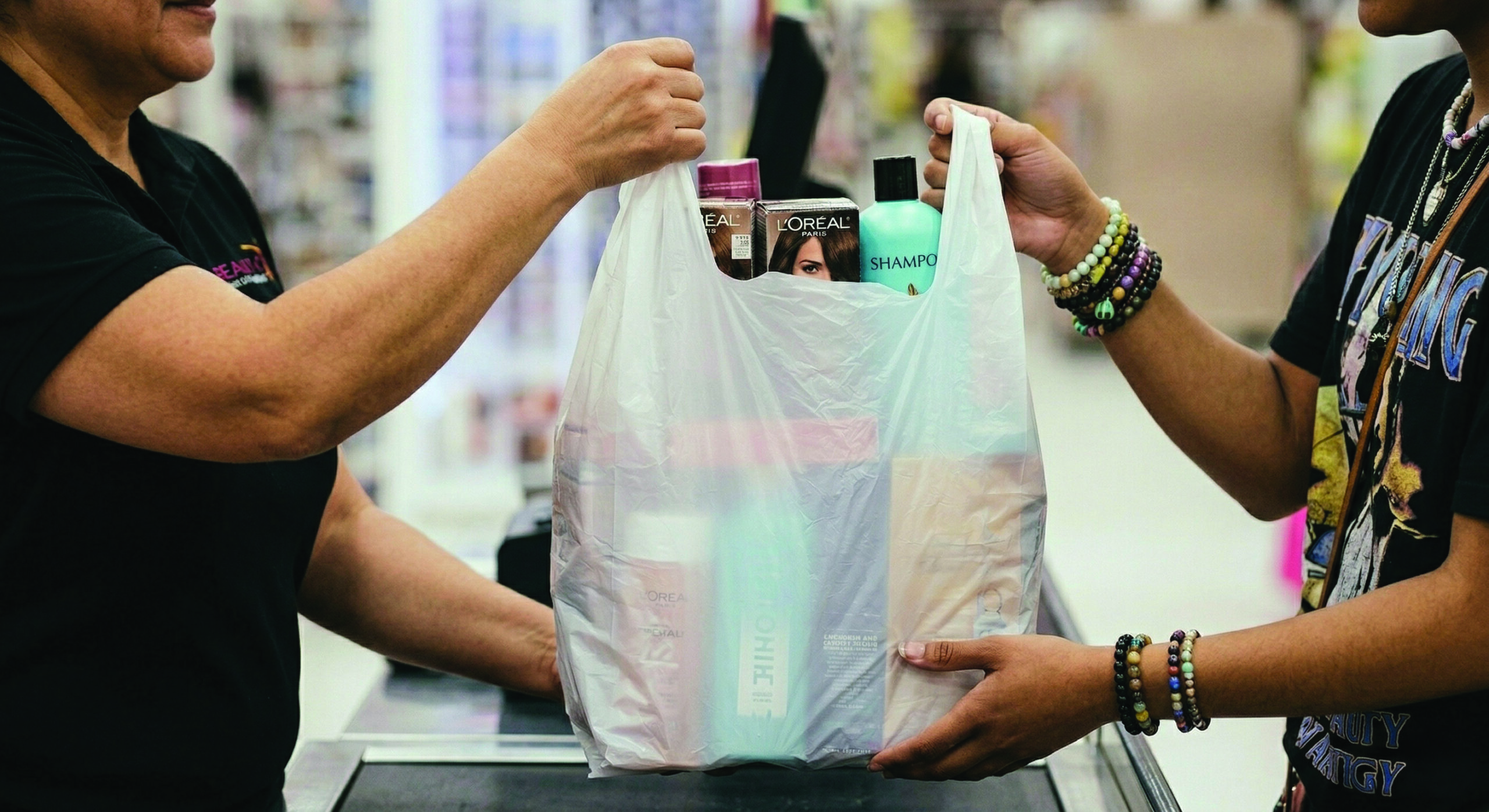
◻ Are oversized shopping bags being used unnecessarily for small purchases?
◻ Are consumables being over purchased and piling up?
◻ Are store supplied items from vendors, such as cases or samples, being fully utilized?
◻ Are overstocking or urgent reorders happening repeatedly?

Operational points
● Set clear guidelines for shopping bag usage based on product size and purchase amount.
● Establish minimum and optimal inventory levels to prevent over purchasing.
● Reduce the number of similar items by consolidating overlapping products.
● The goal is not just saving, but setting clear usage and quantity standards.

“Wasted Movement”
— Time and Efficiency

Inefficient movement is not always visible, but when repeated daily, it leads to measurable loss.

Store checklist
◻ Are employees repeatedly moving to find items at the counter?
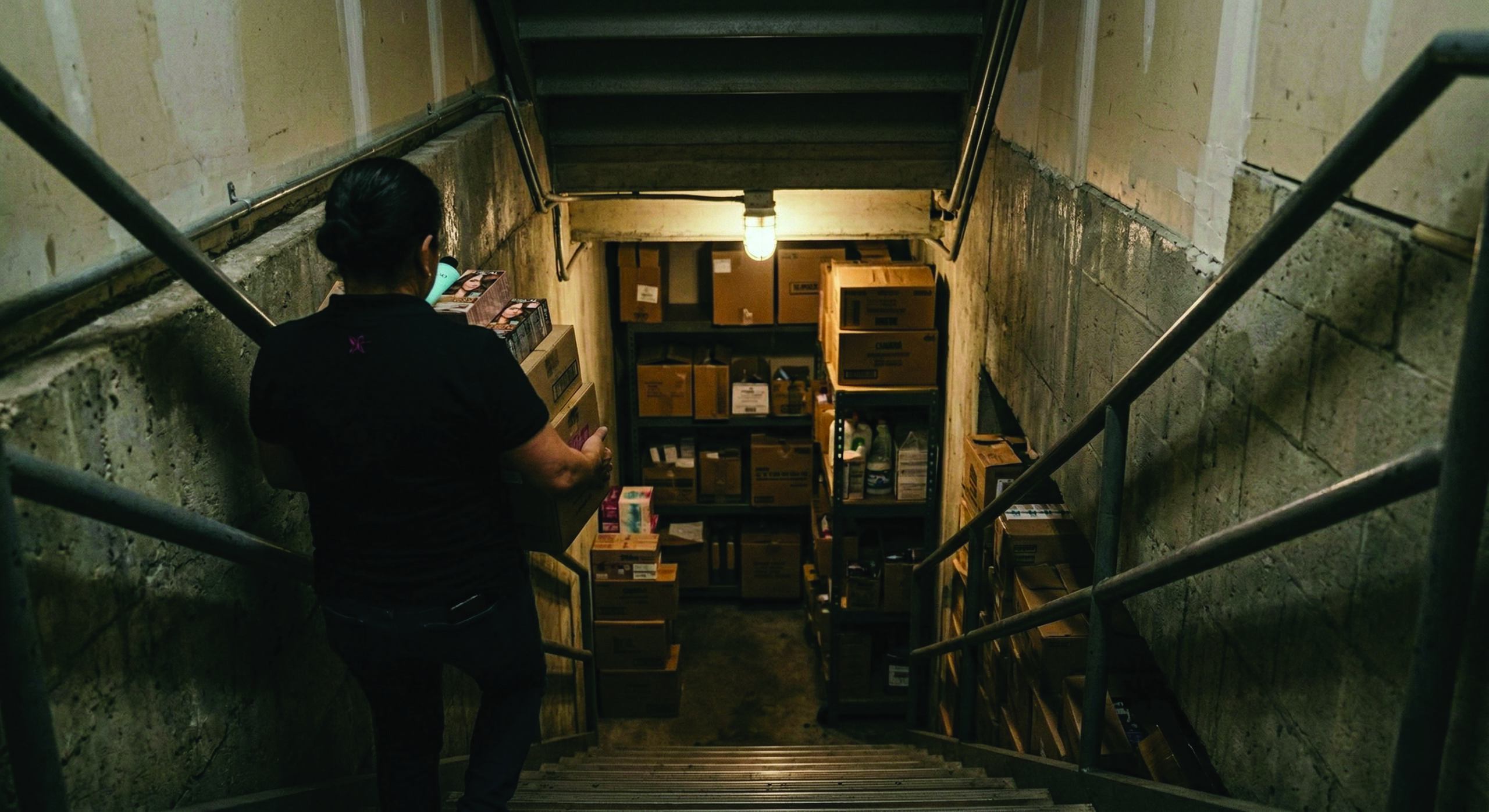
◻ Is the flow between storage and the sales floor inefficient?
◻ Are frequently sold items placed too far away?
◻ Does it take too long to locate or organize products?

Operational points
● Place frequently sold items and consumables near the checkout area.
● Reorganize storage based on frequency of use.
● Standardize product placement so all staff follow the same system.
● The key principle is reducing unnecessary movement.

“Invisible Loss”
— Checkout Management

The checkout area is where sales happen, but also where losses most easily occur. Small errors often repeat without being recorded.

Store checklist
◻ Are there areas where checkout accuracy drops?
◻ Are items sometimes missed when multiple products are purchased?
◻ Do inconsistencies in staff checkout methods lead to errors?
◻ Is there a verification step after transactions?
◻ Are errors occurring during tag removal?

Operational points
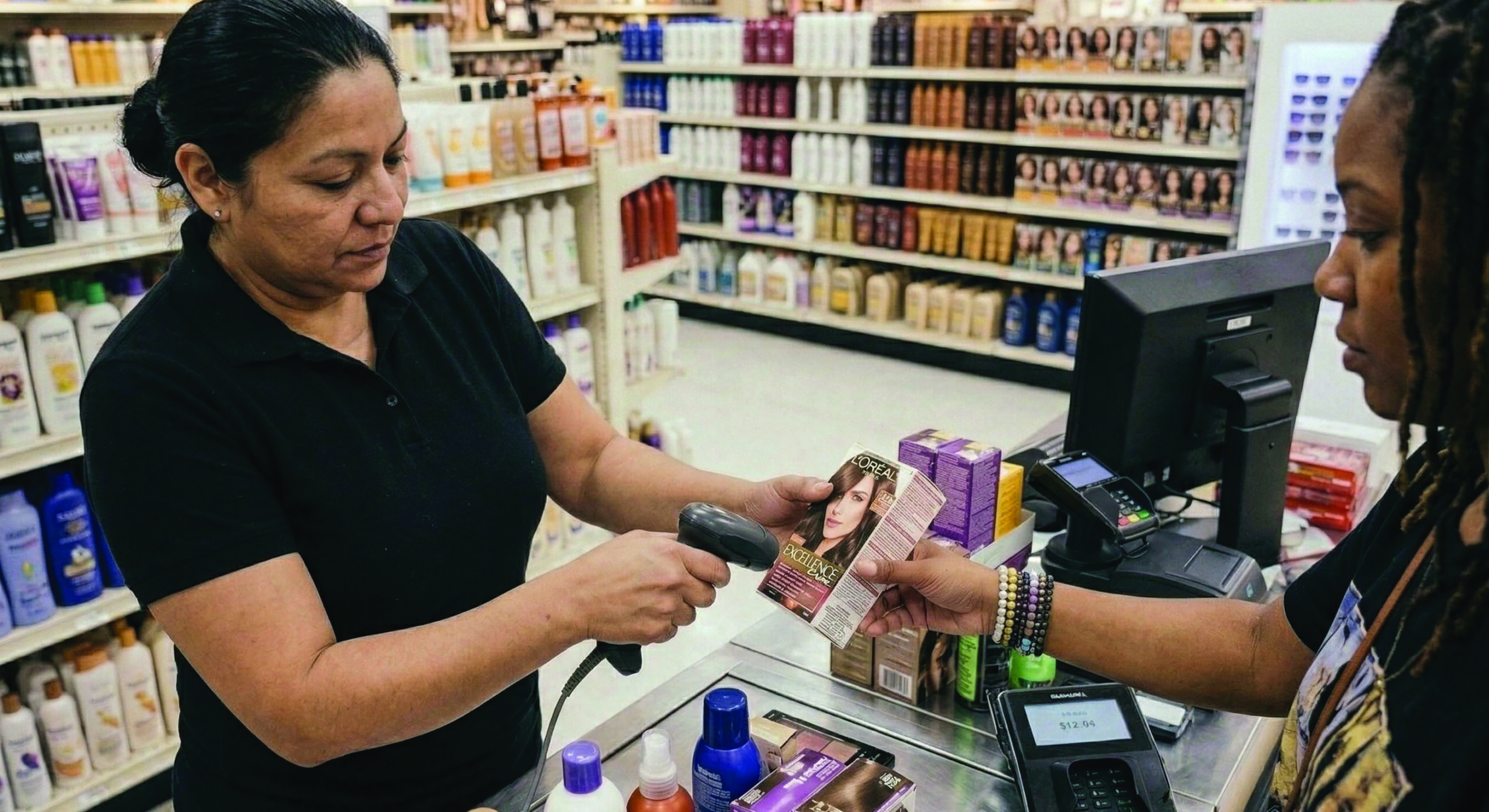
● Accuracy and sequence matter more than speed. For example: scan → remove tag → verify.
● Maintain consistent checkout procedures, even during busy periods.
● The goal is to prevent repeated mistakes, not just fix them after the fact.

BUSINESS BY HEEJIN SONG
BNB Magazine MAY 2026 ©bnbmag.com