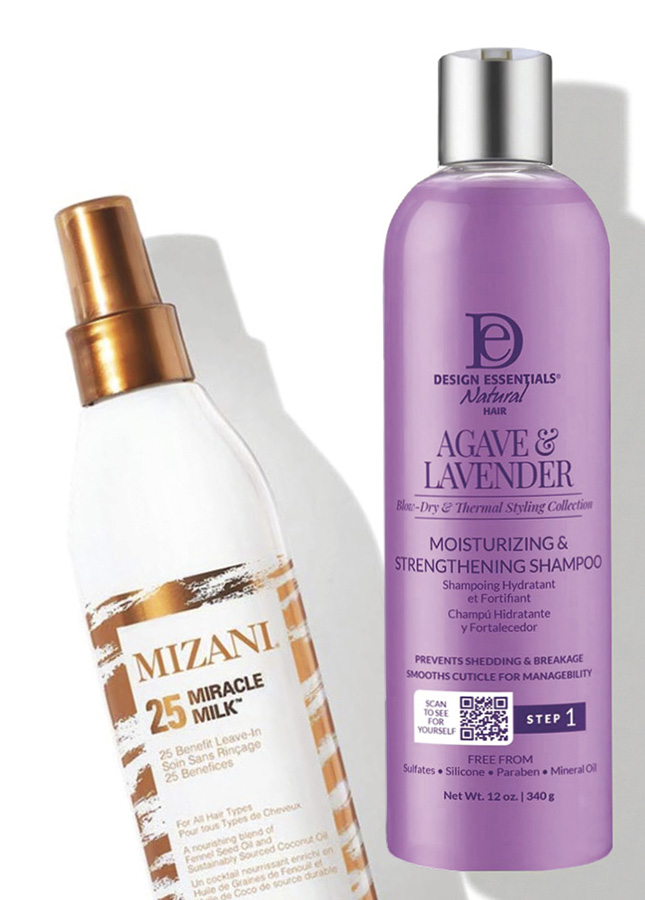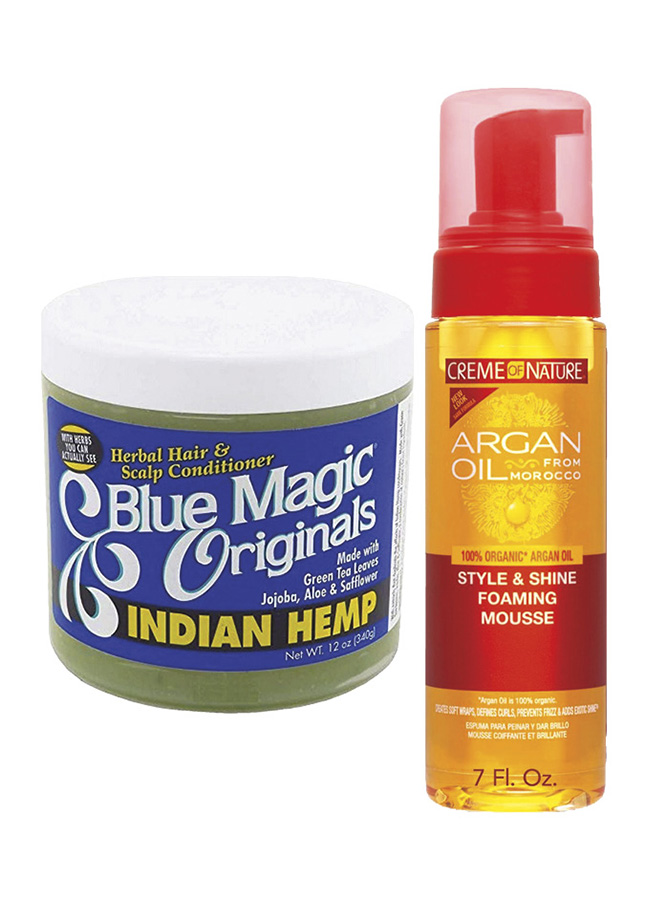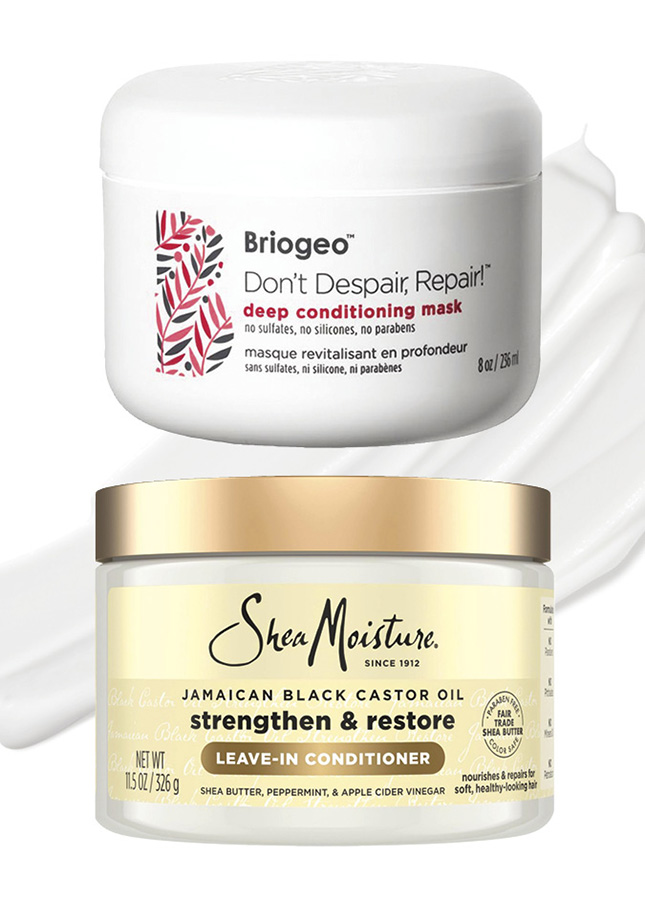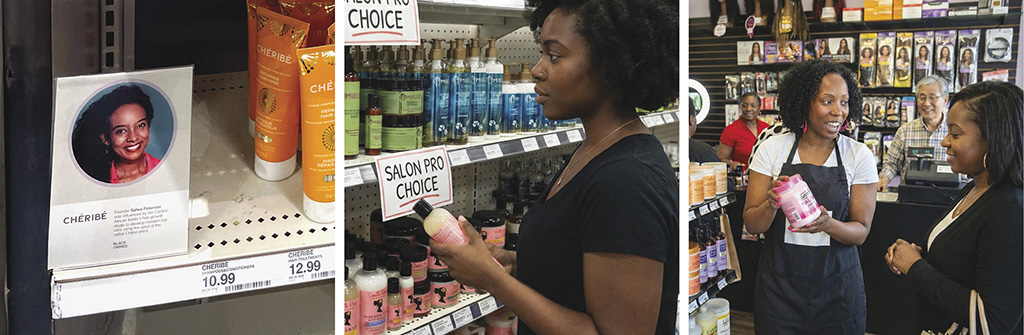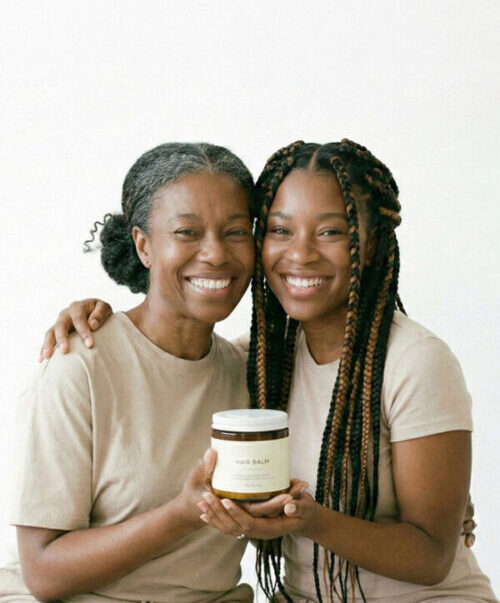
The Black beauty market was once dominated by celebrity-led brands like Rihanna’s ‘Fenty Beauty’ and Beyoncé’s ‘Cécred’. These products, driven by star power and flashy packaging, quickly captured attention, but recent industry sentiment signals a notable shift. As interest in celebrity brands cools, long-established ‘classic brands’ that have long been staples in Black households are regaining momentum and reemerging as key sales drivers.
How Classic Brands Made a Comeback
- “Price Does Not Equal Quality”: Consumers who noticed little difference between $40 celebrity products and $10 alternatives began returning to more affordable brands as the economic slowdown extended into the second half of 2025.
- De-influencing Trend (#DeInfluencing): As social media revealed that “expensive celebrity products and lower-priced classic brands share similar ingredients,” consumers increasingly viewed “celebrity brands as overpriced for their name value.”
- Quality Stability: As the EU tightens cosmetic ingredient regulations in 2026, including limits on talc, newer brands face disruptions from rushed formula changes, while long-established brands maintain trust with stable formulations and quicker, experience-driven responses.
- “There’s a reason Mom used it”: For Black women, hair care is deeply connected to family narratives and emotional trust. Nostalgia for ‘products their mothers used from an early age’ is sparking renewed interest in classic brands.
- Classics Validated by Major Corporations: Large companies like P&G and Unilever continue acquiring heritage natural brands, seeing them as safer revenue sources during downturns due to their loyal customer bases, compared to celebrity brands driven by short-term hype.