A Look at the Near Future of Nails Through Emerging Technology
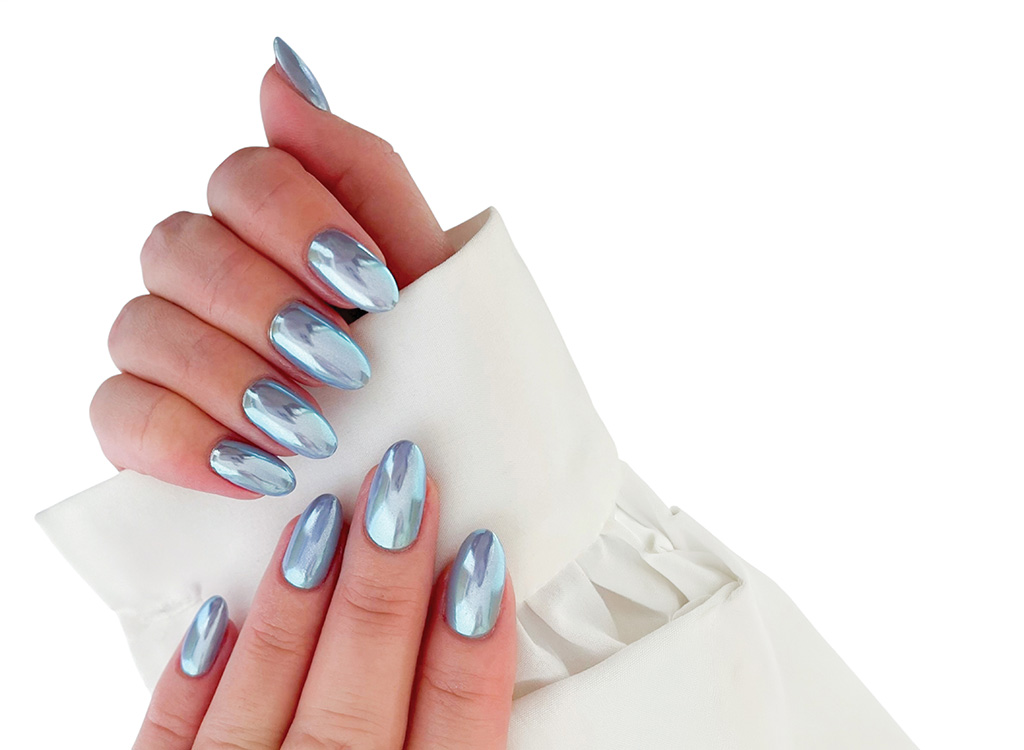
Nails are a beauty category where individuality can be expressed intuitively through color and design within the small canvas of the fingertips. A subtle change in shade or a single line can shift the entire mood, making this a particularly delicate area where trends move quickly. Recently, technology has begun to layer onto this space, expanding nails into a form of “responsive beauty” that adapts in function and expression depending on the situation. Here are some of the changes currently drawing attention in the nail market.
Digital Nails – “Instead of applying, you set.”
©Engadget.com
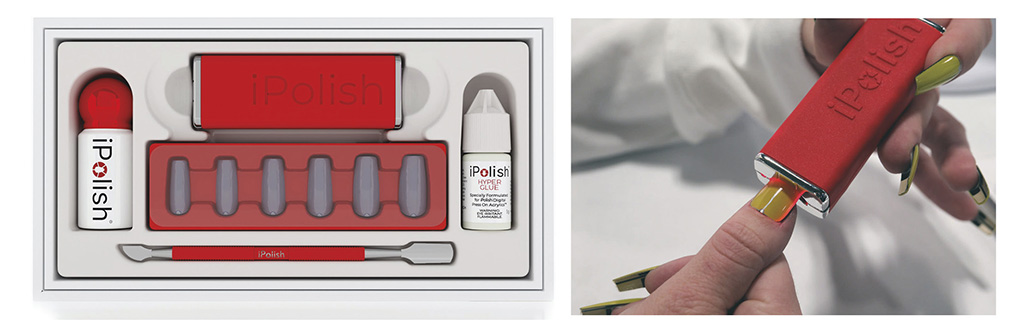
At CES 2026, held this past January in Las Vegas, startup iPolish unveiled a smart nail product capable of changing color. While it resembles a conventional press-on nail in appearance, the key difference lies in its ability to select and switch colors via an app. After choosing a color in the dedicated app, users lightly place a small accompanying device (Magic Wand) over the nail, and the color changes within about five seconds. Once set, the color remains stable without a power source and does not change when exposed to water. To change the color again, the nail is simply reinserted into the device and removed to reset the setting.
The product uses electrophoretic nanopolymers, applying the same color-switching principle found in electronic ink. It currently supports more than 300 colors, with options to choose by tone or mood within the app. The launch is expected in June 2026. Online reactions range from “It feels like technology straight out of a movie” to “A feature that makes you want to change colors more often,” alongside questions about durability and stability in real-world use.
Spy Nails – “Pretty alone is no longer enough.”
As crimes involving drugs being secretly added to drinks have become a broader social issue, so-called “spy nails” have emerged as nail-shaped drink detection kits. Spy nails are sticker-type nail products designed to detect GHB, commonly known as a date-rape drug.

GHB is colorless, odorless, and tasteless, making it difficult to detect when mixed into a beverage, and it is known to be rapidly eliminated from the body, complicating post-incident verification. With spy nails, lightly touching the nail to a drink causes the sticker to change color if the substance is present, signaling potential danger. This is an example of applying a chemical sensor principle—where color changes occur in response to specific substances—to nail design. It illustrates how nails are expanding beyond decoration to incorporate functionality, positioning them as a kind of wearable tool.
AI Nails – Turning “I think this would suit you” into data.
AI-based design recommendation services are already widely used across the beauty industry. By analyzing customer selection history, regional popular colors, and seasonal or thematic data, these systems suggest colors or designs likely to appeal to users with similar preferences. Nails are no exception. Recommendations may include color combinations that complement an outfit or theme-based designs aligned with upcoming holidays or seasonal trends. With such a wide range of choices, these tools help reduce the burden of decision-making, especially for first-time nail customers.
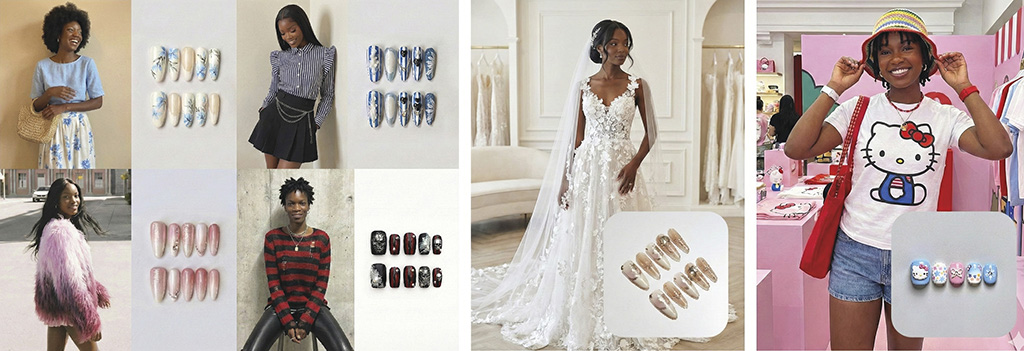
According to industry sources, as regional culture and customer preference data are increasingly reflected, the range and detail of designs have become more segmented. This allows for more precise production that better captures aesthetic criteria valued by beauty supply customers, such as tone, texture, and overall mood. As a result, opportunities have expanded for reviewing and curating designs tailored to each store’s direction and target audience.