2026 Tax Refund Season
Could Be the Largest Yet
The tax refund season, which runs from February through April each year, has traditionally been one of the busiest periods for the beauty supply industry. While recent years have not delivered the sales rebound many once expected, the 2026 season is shaping up differently, as higher refund amounts are expected to bring more tangible impact at the store level.
① Key Takeaways
X.com
JP Morgan Report
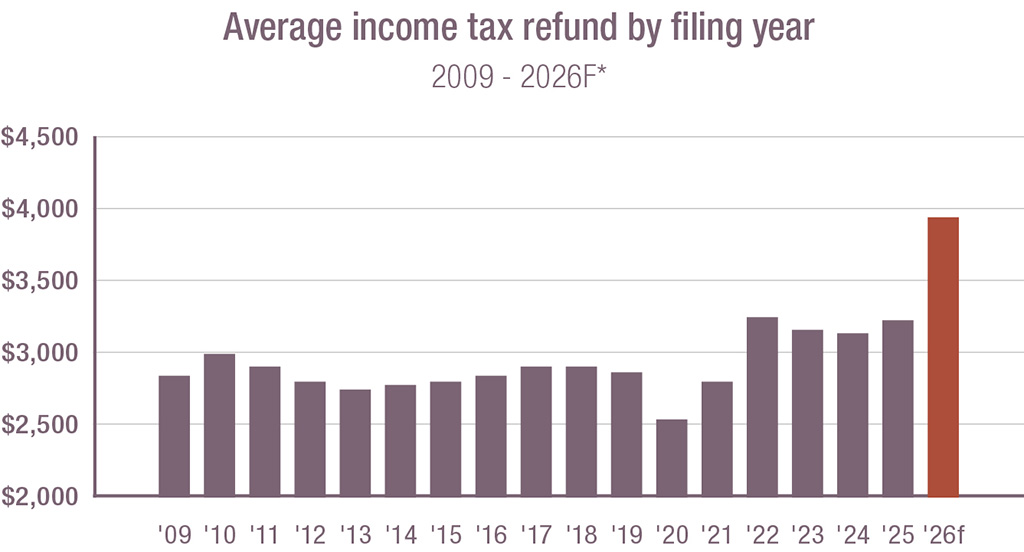
→ During the 2026 tax filing season, the average refund per taxpayer could increase by approximately $1,000
→ Tax refunds are projected to reach the largest total volume on record
Based on IRS Data
→ The average refund during the 2025 filing season (for 2024 income) was approximately $3,050
Refund Timeline
→ Tax filing for 2025 income will take place in early 2026
→ Most taxpayers receive refunds within about 21 days after filing
② Why Are Refunds Expected to Be Higher This Time?
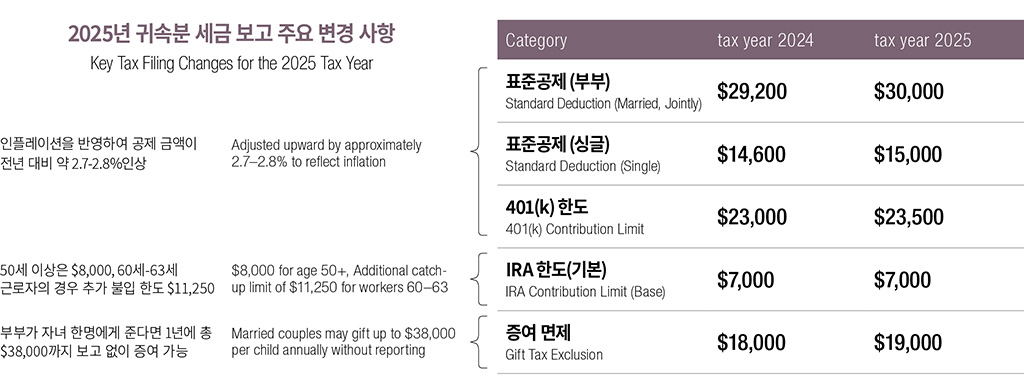
The heightened attention around this tax refund season stems largely from tax law changes implemented in mid-2025. As certain tax relief measures and expanded deductions were applied to the full 2025 income year, the gap between year-round withholding and actual tax liability is expected to widen. As a result, forecasts suggest that refund amounts in the 2026 filing season will be larger than in previous years. Analysts note that this increase may be more noticeable for taxpayers with moderate to higher incomes, rather than those in the lowest income brackets.
③ How Might Consumer Spending Respond?
An increase in tax refunds does not automatically translate into a surge in spending. However, higher disposable income can accelerate purchase decisions, leading to short-term shifts in consumption patterns. Industry observers believe that consumers may shift away from buying more and toward making slightly better choices within their existing spending range.
④ SKUs You Should Not Cut Back on This Season
Everyday Necessities
Products customers purchase as soon as they need them. Maintaining baseline inventory is critical to avoid missed sales due to out-of-stock situations.
Upgrade Options
There is no need to overstock, but these items should be clearly displayed for customers looking for a “better” alternative.
Seasonal Style Transition Items
Products that align with spring trends and cash-flow-conscious upgrades. These cater to customers seeking reasonable enhancements rather than major splurges.
<Key Tax Filing Changes for 2025 Income>