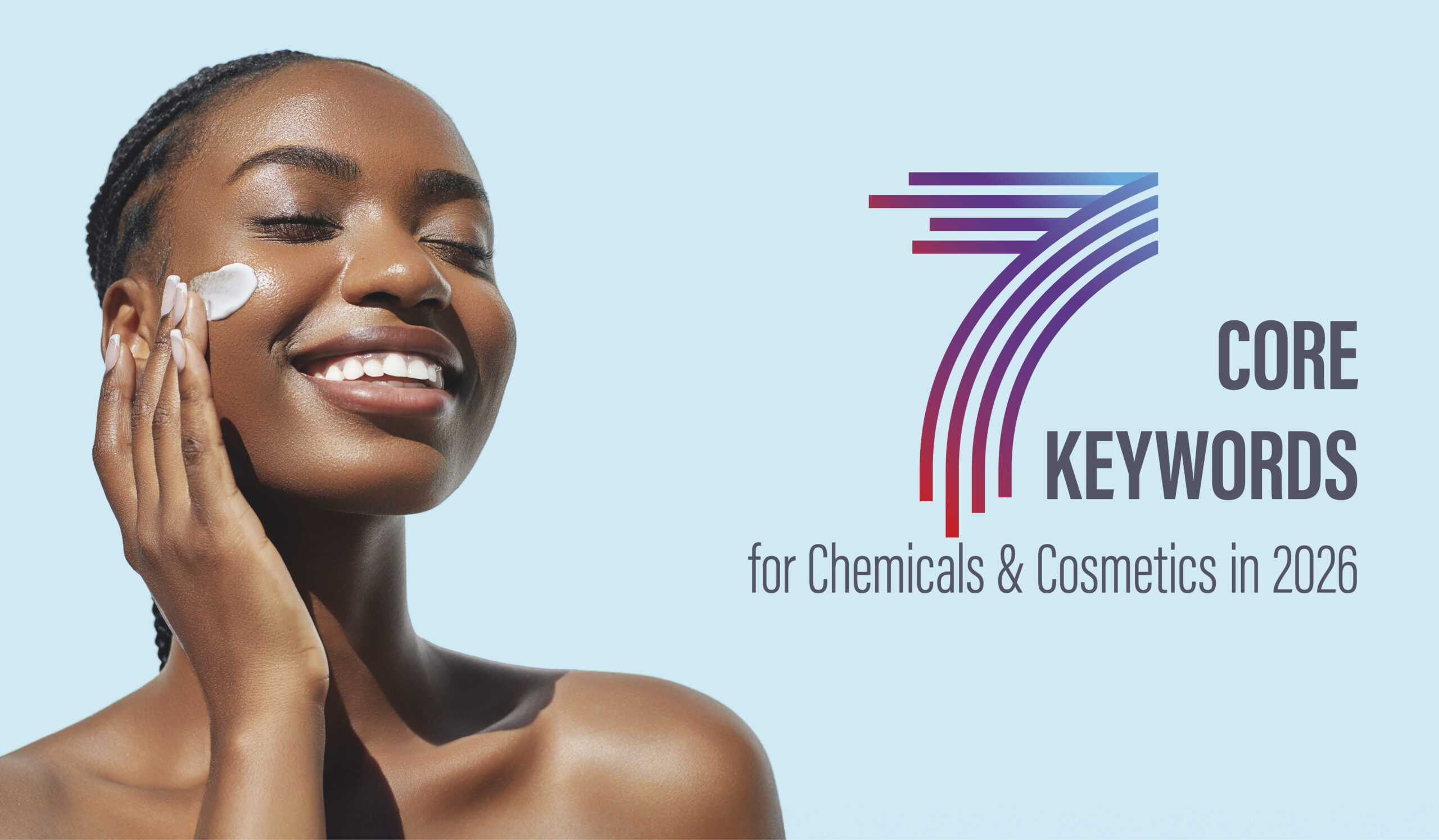
Change has always occurred, but in recent years its pace and scale have especially accelerated, with shorter cycles. Many store owners face operational challenges, stagnant sales, and rising inventory, leaving them saying, “I don’t know where to focus.” Beauty supply stores vary by region and cannot be reduced to a single formula, yet identifying major trends can clarify purchasing criteria and guide strategy. BNB has selected 7 core keywords in chemicals and cosmetics, areas where change is rapid, and consumer standards are clear, to guide 2026. Four are highlighted in this January issue.
January Issue: Pigmentation & Dark Spot Solutions, Metabolic Beauty (Resilience), Hybrid Routines, K-Beauty Momentum
February Issue: Sensory Synergy Experiences (Multi-Sense Stimulation), Micro-Win Consumption Patterns (Small Satisfaction Spending), Professional-Grade Home Beauty Devices
Keyword 1. Pigmentation & Dark Spot Solutions
Whitening and tone-correcting products were long developed with white skin as the default, which often caused irritation on Black skin and delivered limited results. Recent research and product development tailored to melanin, however, are expanding, driving steady growth in visible functional skincare. Hyperpigmentation care is now defined not as “making skin lighter” but as “managing tone and spots by supporting overall skin health.”
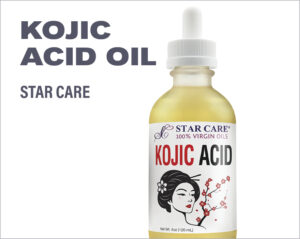
Reaction to dark spots is especially quick, and demand is rising for ‘formulas that reduce pigmentation without irritation.’ Ingredients like kojic acid and azelaic acid stand out in this shift.
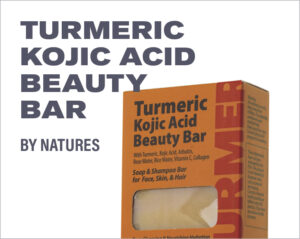
Research into why the hands of traditional liquor artisans appear unusually bright and even-toned led to the identification of kojic acid, naturally produced in fermentation koji. Formed during the fermentation of rice, sake, and soy sauce, kojic acid inhibits tyrosinase, the enzyme responsible for melanin production. It reduces pigmentation and gradually evens overall skin tone. Derived from fermentation, its action is relatively gentle, making it a brightening ingredient suitable for melanin-rich skin.
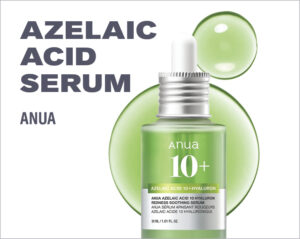
Azelaic acid occurs naturally in grains such as wheat, rye, and barley, and is also produced by skin microbes (Malassezia). Early studies noted that certain yeasts on acne-prone skin generate this compound, drawing scientific interest. Recognized as a “naturally familiar” skin ingredient, it is gentle yet effective for tone uniformity and brightening, establishing itself as a safe option.
Ingredients generally considered safe and effective for melanin-rich skin:
Azelaic Acid: gentle brightening, anti-inflammatory, evens tone
The concept of metabolism-based beauty, which originated in skincare, is now expanding to hair and scalp care. Considering the structural traits of Black hair and common scalp concerns (dryness, inflammation, itchiness, weak roots, or damage from protective styles), this is likely to become a key functional trend in beauty supply stores in 2026. The focus is shifting from simply “promoting growth” or “taming frizz” to supporting the biological ‘metabolic cycle’ of the scalp, roots, and hair.
1) Why the Black scalp needs ‘metabolic resilience’ most
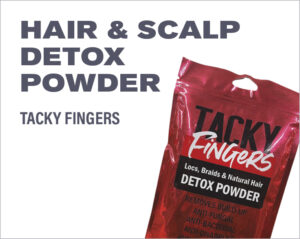
Black consumers’ scalps are structurally dry, sensitive, and prone to inflammation. Long-term styling, such as protective styles, braids, and weaves, repeatedly stresses the scalp and triggers micro-inflammation.
Common issues that arise:
Chronic scalp dryness → increased dandruff and flaking
Repeated inflammation → weakened hair follicles
Long-term tension → risk of traction alopecia
Increased breakage after removing braids
Scalp barrier breakdown → heightened sensitivity to products
Anti-inflammatory and soothing ingredients for micro-inflammation:
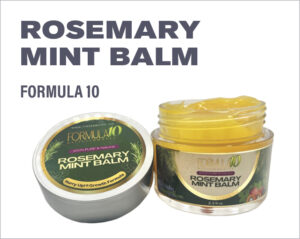
Turmeric: anti-inflammatory, soothes scalp heat and inflammation after braiding
Among Black consumers seeking fast results, multi-use formulas, 2-in-1 products, and skip-care routines are increasingly preferred. The key is reducing steps while ensuring each step delivers clear benefits. In other words, the “less but smarter” mindset is shaping product choices in 2026.
Why “fewer steps” became a 2026 consumer need?
Routine fatigue — “Too many steps.”
Amid economic uncertainty and busy lifestyles, consumers find it difficult to maintain complex routines. Limited time and a desire to save money increase demand for products that focus on essentials.
Solve multiple issues at once — “Fewer steps, same results.”
Consumers want to reduce steps without compromising effectiveness, driving strong sales of multi-use and 2-in-1 formulas in stores.
DIY nail products delivering salon-quality results at home
Body butter balms combining radiance, hydration, and fragrance
Creams offering hydration, coil definition, and edge control in one
2-in-1 products that cleanse and condition simultaneously
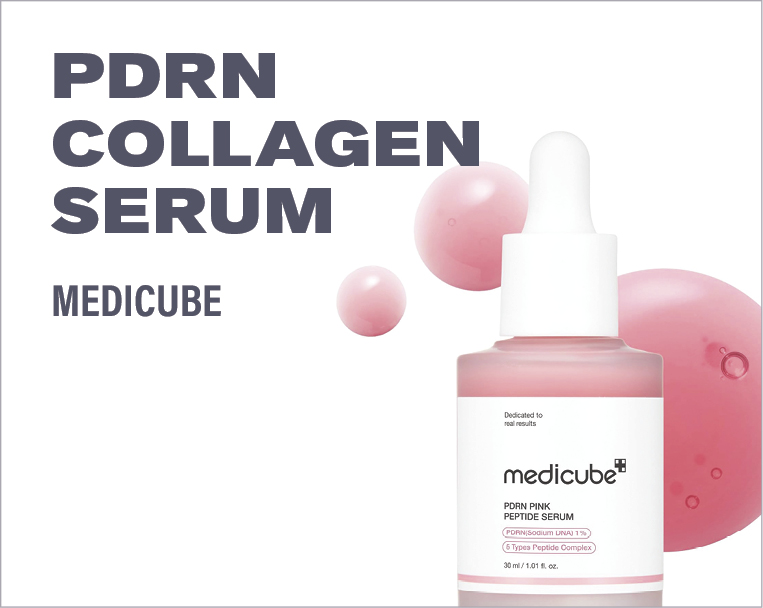
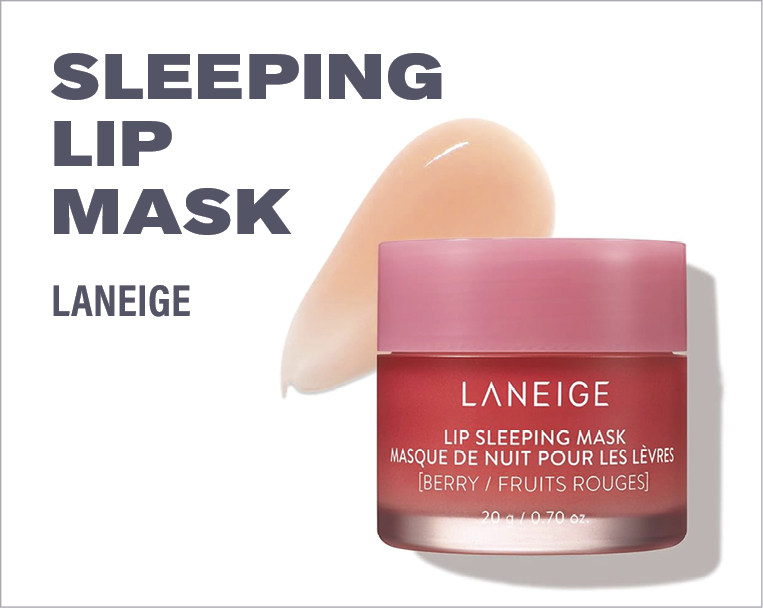
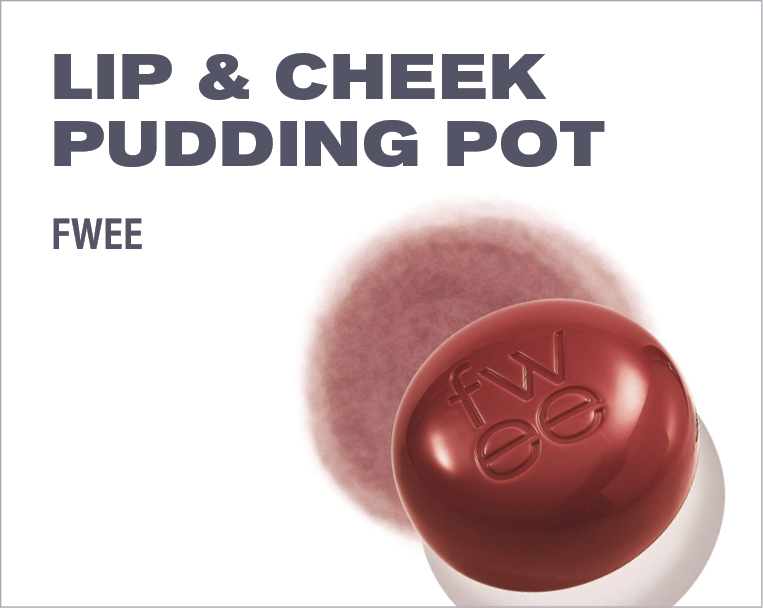
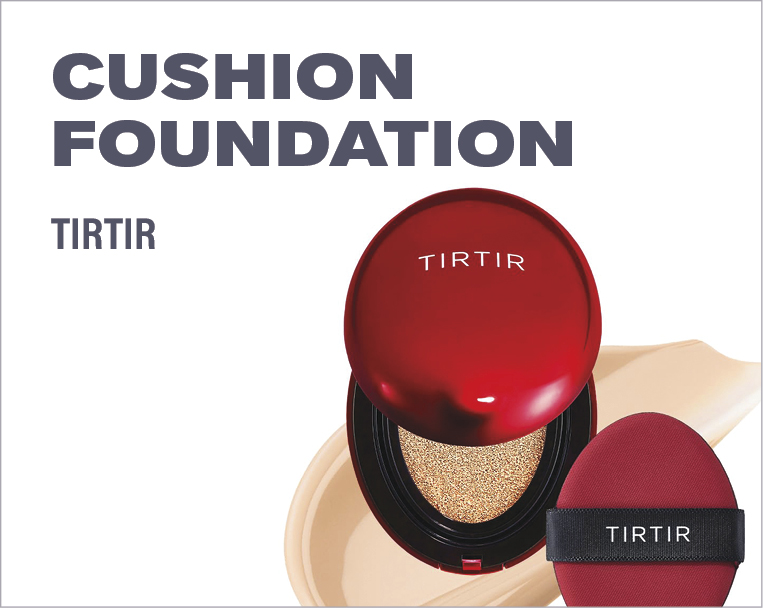
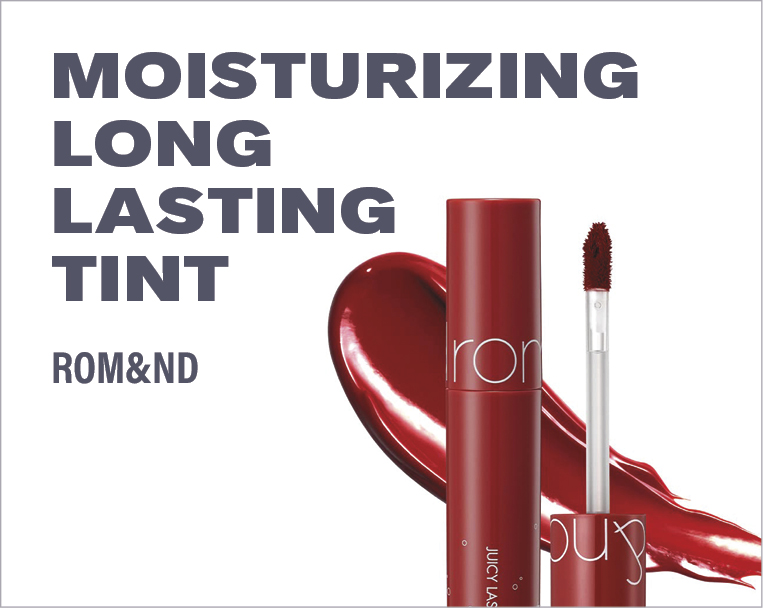
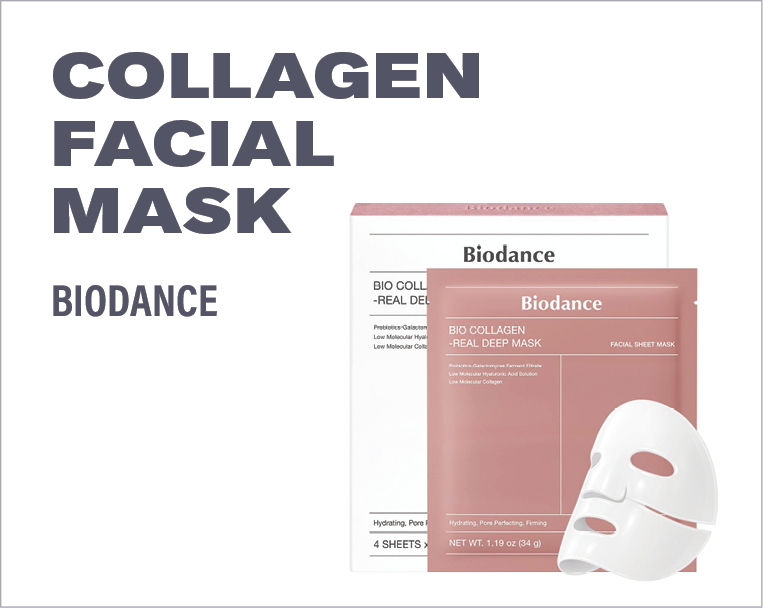
BNB Editor’s Picks
Keyword 4. Strength of K-Beauty
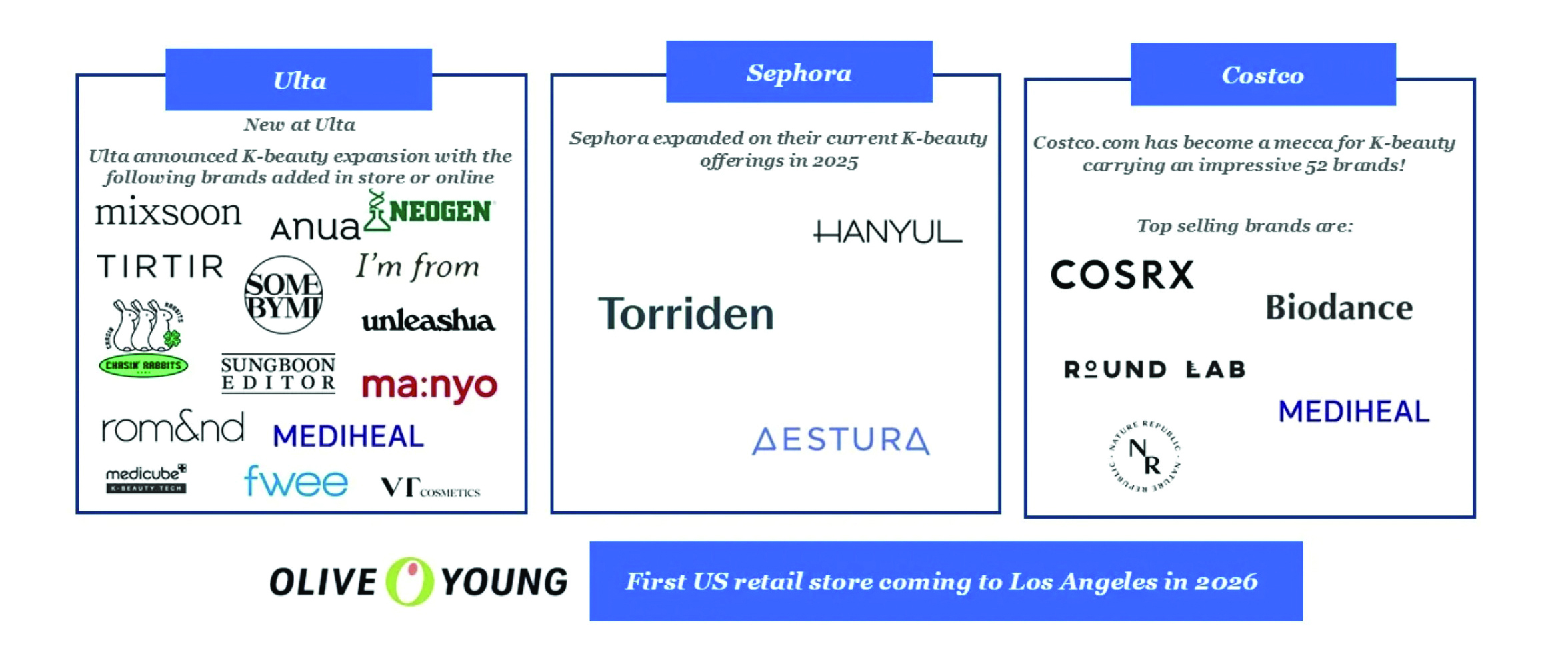
K-Beauty is the most agile segment in a market where consumers compare products by ingredients and efficacy. Its competitiveness is reinforced by soaring U.S. sales and expanding distribution. Since 2025, analyses consistently note that K-Beauty is making significant inroads into major offline retailers. Moving beyond online channels, it is entering big-box stores such as Walmart, Costco, and Target, signaling that traditional U.S. retailers now treat it as a core category rather than a niche or promotional item.
Restructuring and volume growth by U.S.-based K-Beauty distributors
Expansion tests by prestige K-Beauty brands in Sephora and Ulta
In early December 2025, Google Trends data show K-Beauty searches are strongest in densely populated, trend-savvy regions. These areas have a high share of young consumers with strong online and social media spending power, making them early indicators of emerging trends.
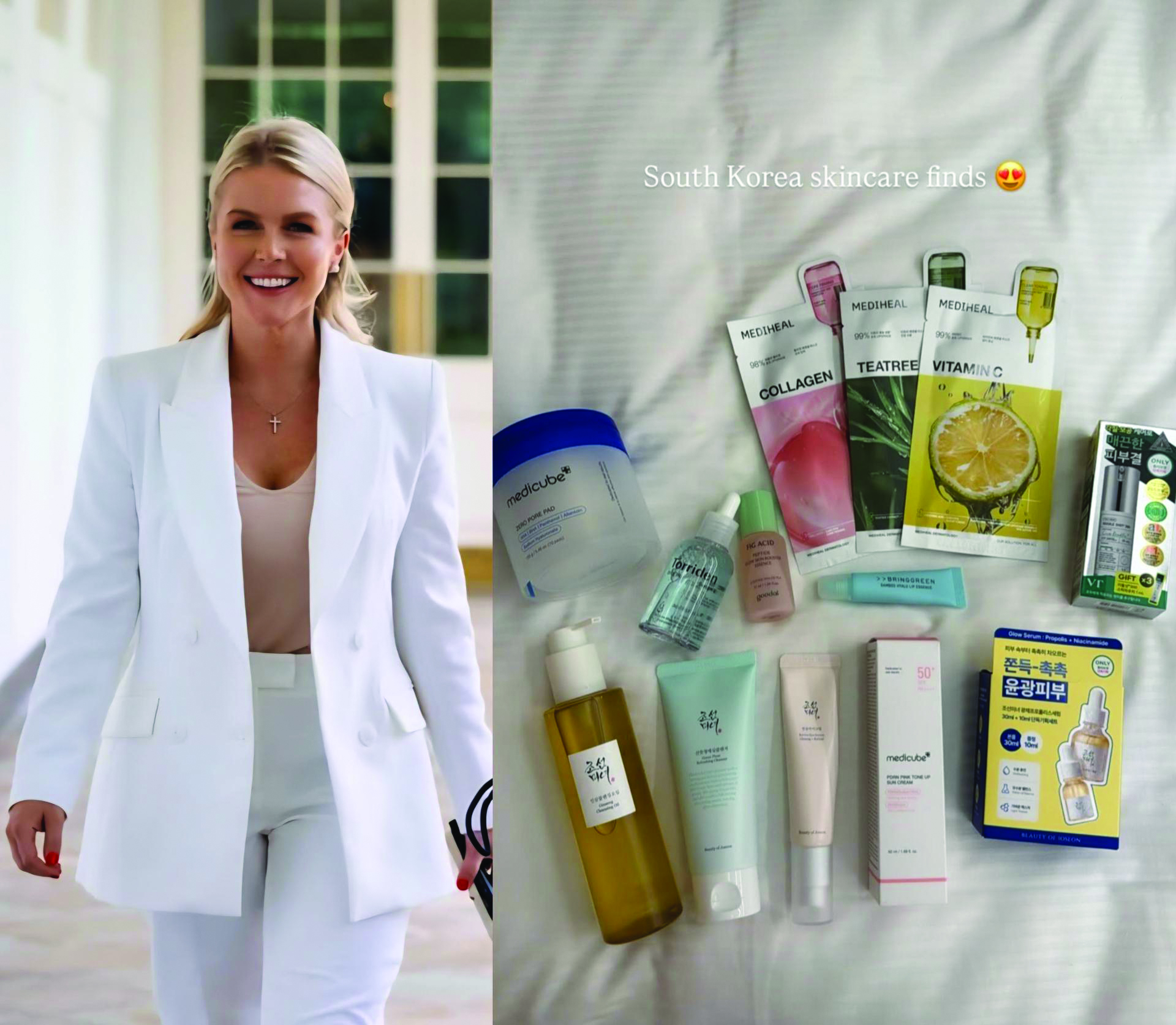
In October, during her APEC visit to Korea, White House spokesperson Karoline Leavitt sparked attention by posting a photo on SNS after purchasing K-Beauty products at Olive Young.