Byeong Chul Kim, President of Misung Commercial Co., Ltd.–09. NINA’s Dream Reborn from the Ashes
Previous Story
In 1983, President Byeong Chul Kim was sent to Senegal to support Misung Commercial’s expansion into Africa. There, he launched the “NINA” hair brand and led it for the next decade. In 1993, instead of returning to Korea, he took on a new challenge as head of the Jakarta factory in Indonesia. He improved the factory environment, streamlined design-to-production operations, strengthened the brand identity, and introduced day-and-night shifts to meet rising demand. His leadership boosted employee morale and guided the organization through major transformation.
From the Capital to the Provinces
In the previous episode, I briefly mentioned that after the flooding, a new factory was built in the provinces, and I began rotating among Factories 1, 2, and 3. But the move to areas like Sukabumi wasn’t only about expanding production—it was also about labor costs. At that time, Indonesia introduced a labor law requiring provincial governments, unions, and companies to set regional minimum wages each year.
The law was meant to move companies to the provinces and ease housing and traffic problems in the capital, but as it took effect, the wage gap between major cities and regional areas still widened—sometimes nearly doubling.
Misung’s first Indonesian factory was located in the Export Processing Zone (KBN, Kawasan Berikat Nusantara) in Jakarta for its proximity to the port and its large labor pool. But in the wig industry, labor costs make up most of the production expense, and competing with lower-cost provincial factories became impossible.
Relocation eventually became unavoidable. We purchased land in Sukabumi, spent about a year building a new factory, and moved the labor-intensive wig production there. Braid production stayed at KBN because it required less labor and benefited from being close to the port.
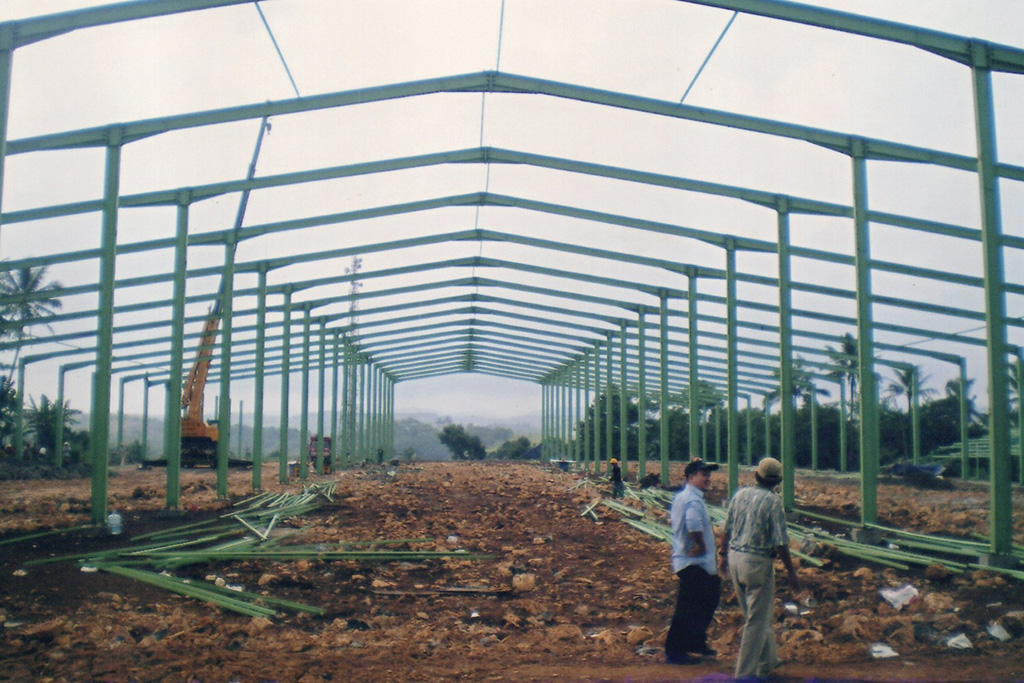
Sukabumi factory construction site.
The Fire Strikes
On March 31, 2018, a disaster hit. A fire broke out at the Jakarta KBN factory, caused by an electrical short in a socket behind the security guard post—a spot frequently used for cooking.
Because it was the Easter holiday, the factory was completely empty. Thankfully, there were no injuries, but the emptiness meant the fire was discovered too late. The flames spread quickly, and the entire factory—including the Jakarta office and all braid production equipment—was completely destroyed.
Even worse, the raw-material warehouse in the KBN Export Processing Zone also burned down. Over two months’ worth of raw yarn and materials were reduced to ashes.
The two buildings burned for nearly two days, with seven fire trucks battling one of the year’s largest industrial fires. Coming so soon after the flooding, it was an exceptionally turbulent period. In the end, the fire accelerated the decision to relocate all operations to the Sukabumi factory.
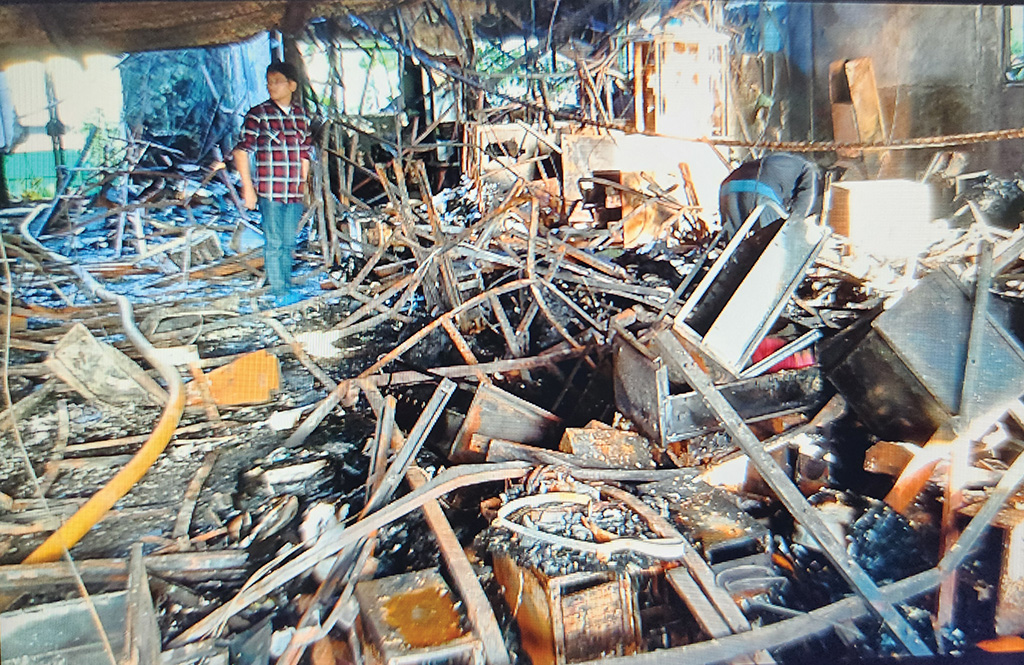
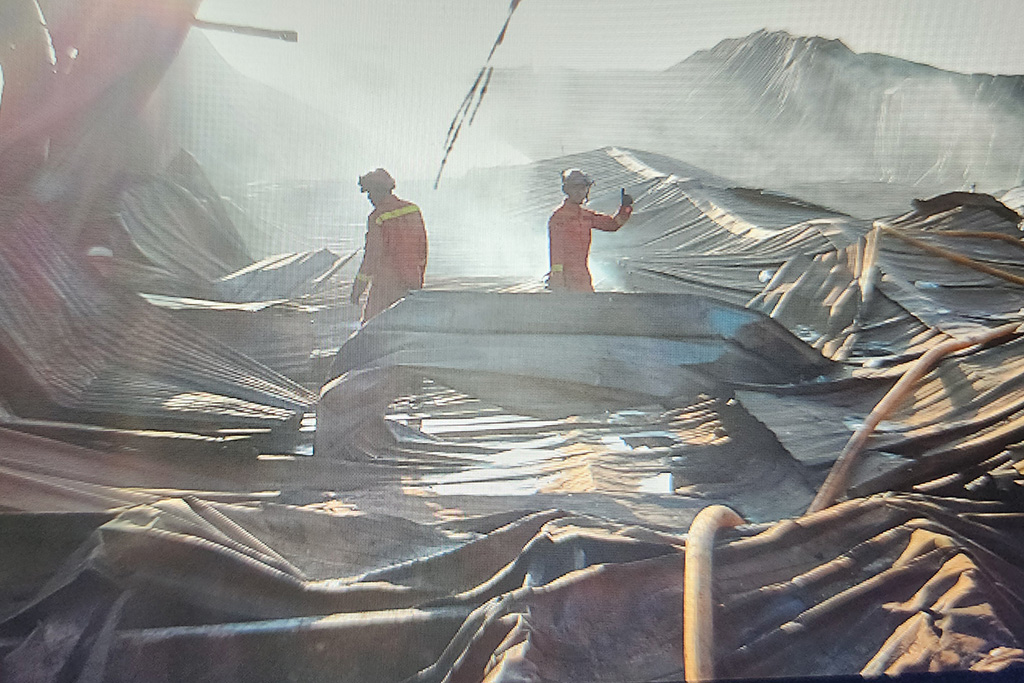
Footage of the factory after the fire.
A New Era for Misung: “NINA” and “Taman Hijau”
After deciding to start fresh in a new region, the entire factory was relocated and renamed. The sign changed from “Misung Indonesia” to “NINA VENUS INDONUSA,” marking the start of the NINA era—a brand Misung had successfully built in Africa. This new NINA chapter officially began in 2018.
The new Sukabumi factory was constructed on a three-hectare hillside. We handpicked the land, leveled the slope, and built the surrounding walls. I chose this terrain because of a long-held dream from my years in Africa:
“I want to make the factory look like a park.”
Since employees spend more time at work than at home, I wanted the environment to feel as pleasant and comfortable as possible. This hillside was the perfect place to bring that vision to life.
The remaining land, aside from the factory buildings, was named Taman Hijau (“Green Park”) and landscaped like a true garden. At the lower slope, we built a spacious motorcycle parking area and added a flower-lined path leading up to the factory. On the opposite side, we constructed a wastewater treatment facility and created a small pond that eventually became home to both crocodiles and turtles. Our goal was to make each commute feel like a refreshing, peaceful walk.
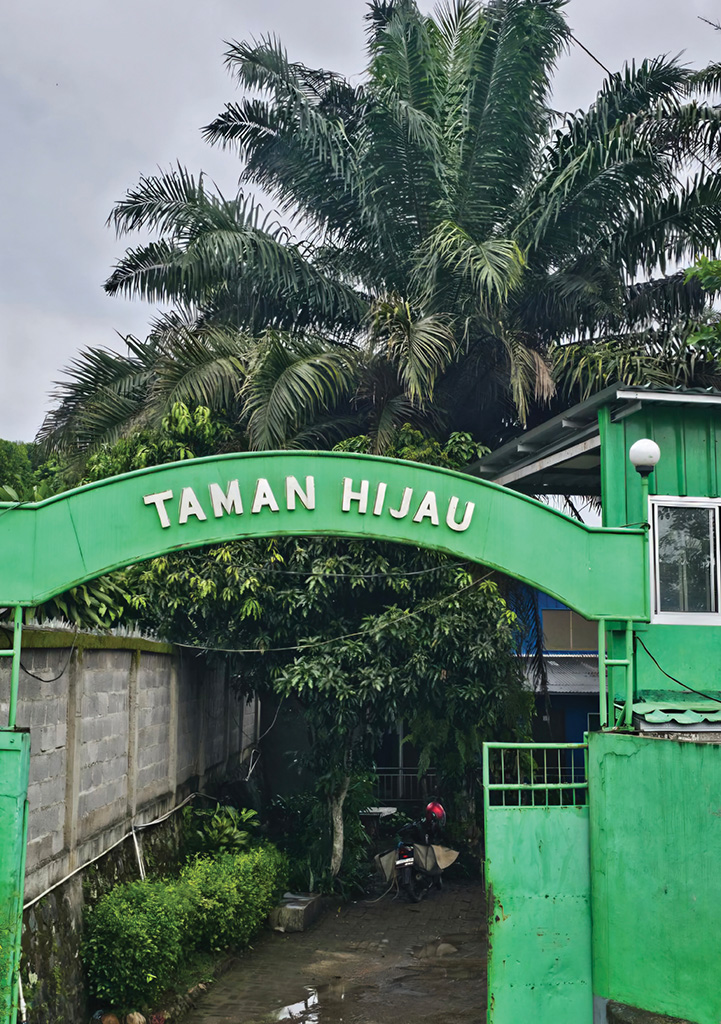
Taman Hijau entrance gate,
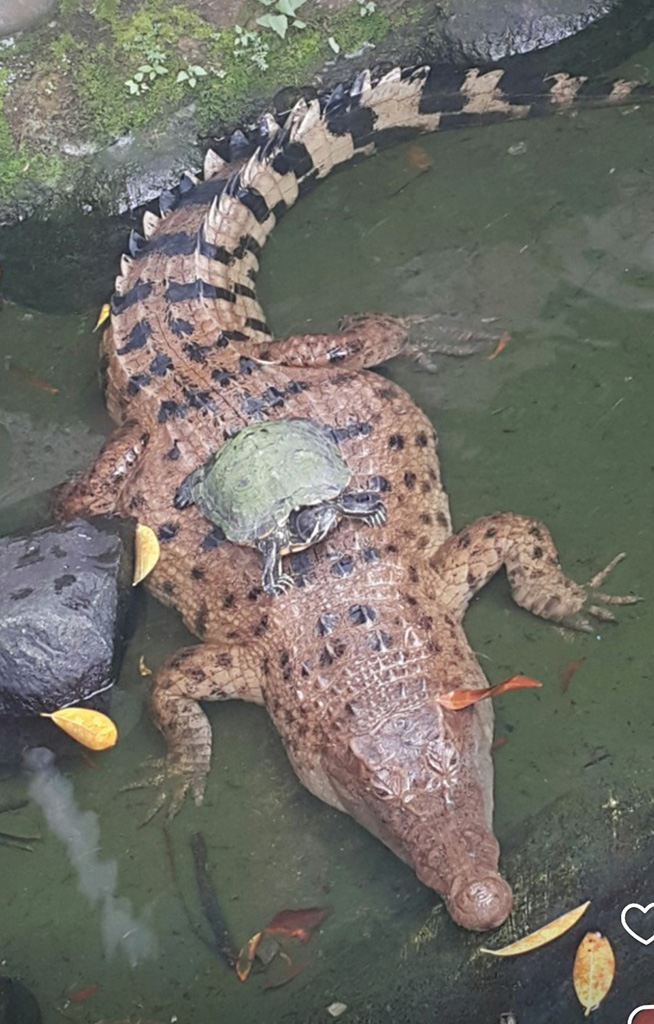
Taman Hijau, the pond where crocodiles and turtles live.
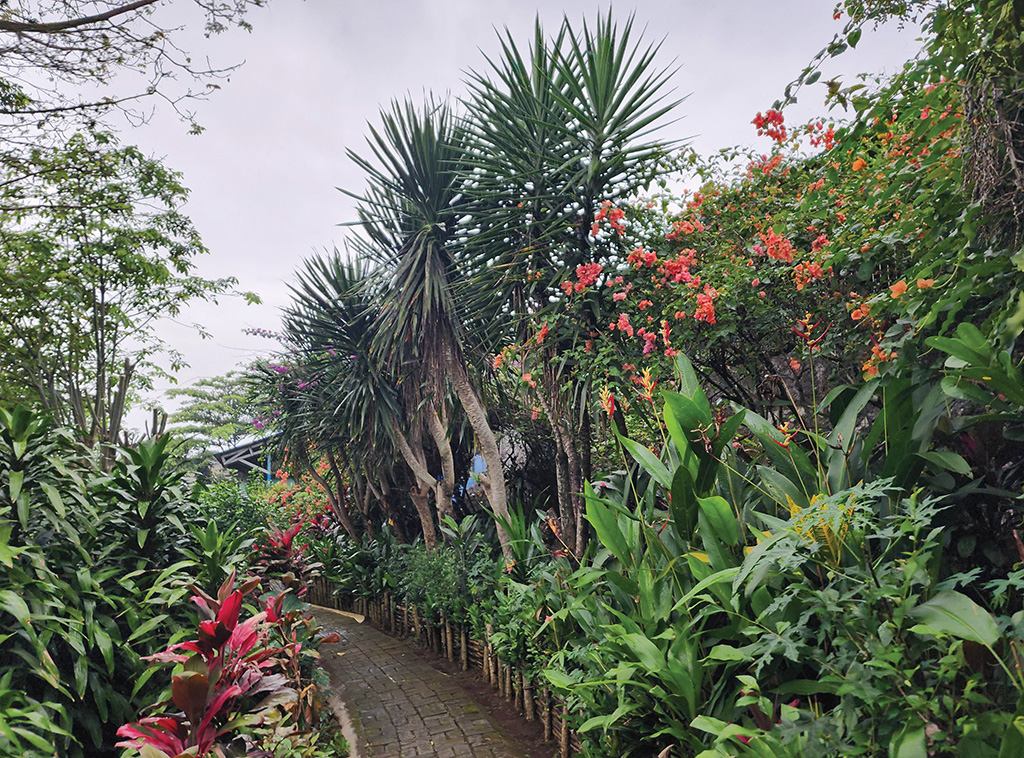
Taman Hijau flower path.
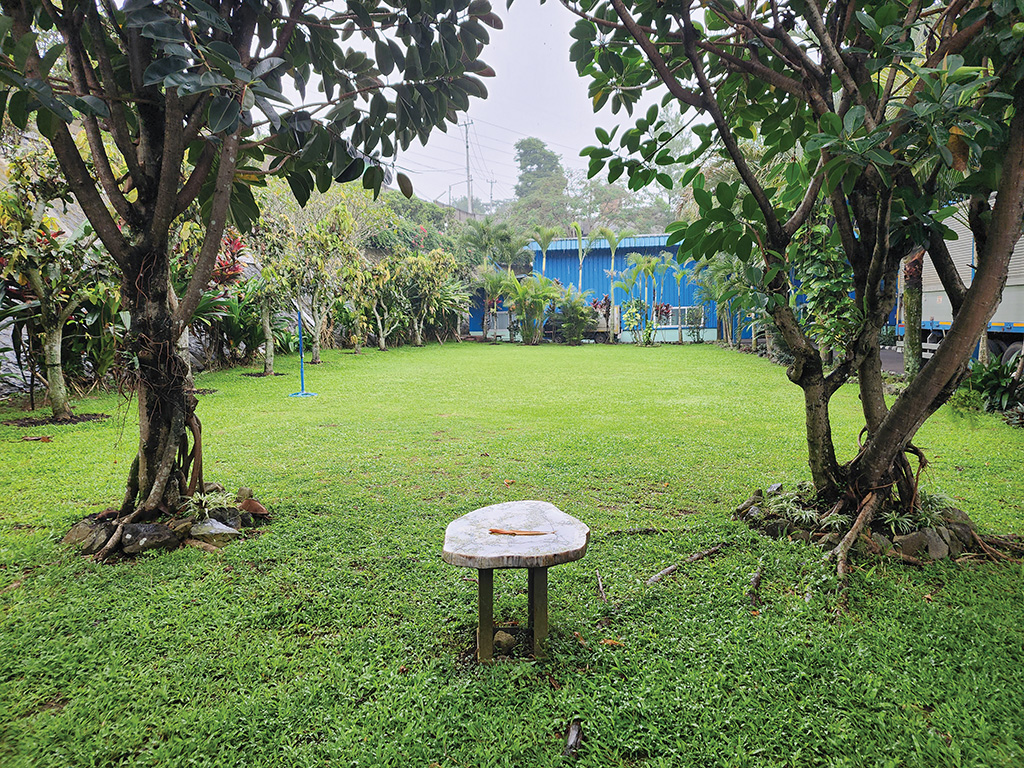
Lawn garden in front of the main factory.
Our Heart, “Batu Merah”
We also refined our working methods by introducing the 5S movement, a system widely practiced in Toyota factories in Japan—Sort, Set in Order, Shine, Standardize, and Sustain.
Instilling in production workers the mindset that “good products come from a clean environment” proved more effective than any facility upgrade. At first, some complained that cleaning was the janitor’s job, but with consistent training, the factory became visibly cleaner, and product quality steadily improved.
Another major improvement was the Efficiency-Based Pay System. Skilled employees received a “High-Tech” badge, signifying that they earned above the base salary and were officially recognized for their expertise. The badge fostered pride and motivation, while performance bonuses tied to productivity helped narrow the wage gap with urban areas—making the system highly popular among employees.

Poster announcing High-Tech employee selections.
As work attitudes and the factory environment improved, the NINA Factory became a regular destination for government and industry inspection teams. Korean journalists visiting Indonesia also made a point to stop by.
At the factory entrance stood a marker stone engraved with the words “Batu Merah.” In Indonesian, batu means “rock” and merahmeans “red” — literally, “Red Rock.”
Discovered at a nearby quarry during construction, this red jasper stone resembled a human heart so closely that it came to be called “Heart Rock.”
We placed “Batu Merah” to symbolize the shared heart and unity of all NINA employees. As the factory gained recognition, visitors from near and far began taking photos in front of it—making “Batu Merah” the true symbol of the NINA Factory.

President Byeong Chul Kim posing with Batu Merah.
The “Slogan of the Year,” Made Together
One of the factory’s key annual traditions was setting a “Slogan of the Year” that captured the company’s goals. After deciding on the year’s theme, employees gathered to brainstorm ideas, present their own phrases, and vote anonymously for the winner. The creator of the chosen slogan received a generous bonus.
The winning slogan was printed in multiple languages—Indonesian, English, French, and Korean—and displayed not only at the Indonesian factory but also at the African branch and headquarters. It became a meaningful symbol of unity, with everyone moving forward toward the same goal. And so, the days at NINA Factory, the “Red Heart,” continued in harmony and purpose.
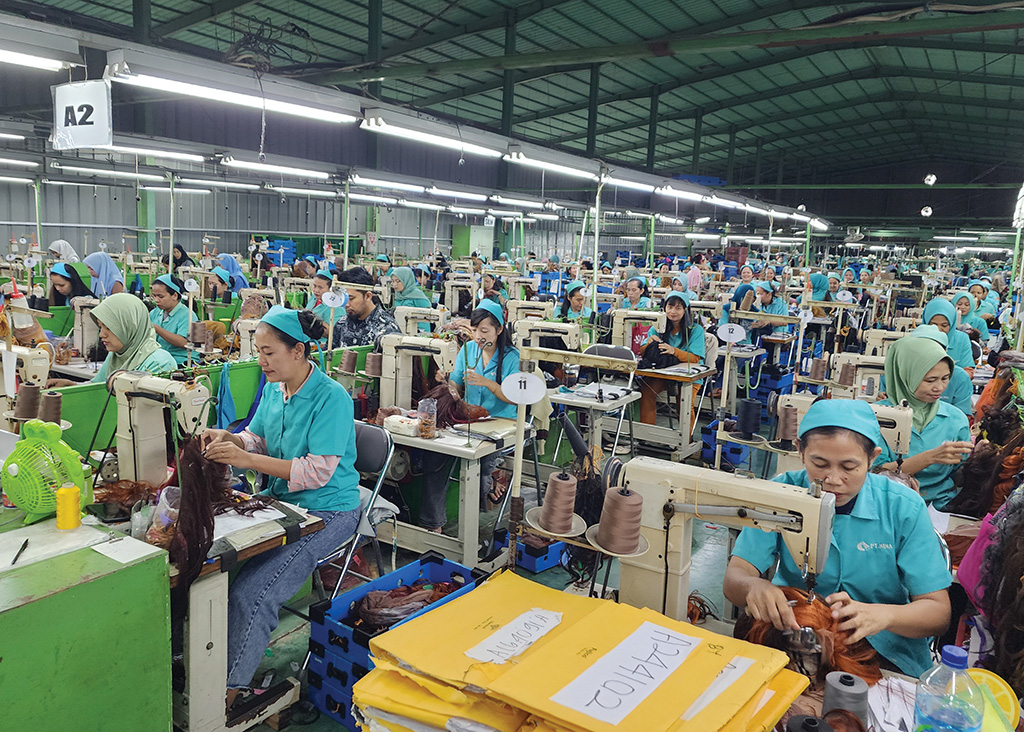
The bustling scene of NINA Factory in full operation.
<계속>