7 Key Chemical & Cosmetic Trends for 2026 Part 2

Beauty supply stores show clear differences in customer demographics and purchasing behavior by region. While it is difficult to apply a single formula across the board, anticipating where demand is headed over the course of a year provides a valuable reference point for setting buying standards and shaping store operations.
Focusing on the chemical and cosmetic categories where consumer response moves fastest, BNB has identified seven key trends to prepare for 2026 together. In this February issue, we continue with three keywords that today’s consumers are excited about, looking forward to, and actively choosing.


January Issue Recap
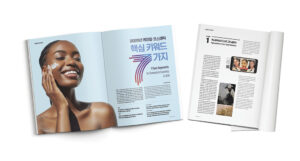
 Keyword 1. Solutions for Hyperpigmentation & Dark Spots
Recently, brightening and tone-up products that reduce pigmentation without excessive irritation—by working in line with melanin characteristics—have gained strong attention. In particular, low-irritation ingredients such as kojic acid and azelaic acid, which are naturally derived, gently suppress melanin production while protecting the skin barrier, are in the spotlight.

Keyword 2. Metabolic Beauty (Resilience)
The concept of “metabolic beauty,” or metabolism-based care, is expanding into the hair and scalp category. As products emphasizing anti-inflammatory ingredients such as turmeric and aloe vera become mainstream in Black scalp care—where dryness and inflammation are common—linked sales of pre- and post-scalp soothing treatments are expected to become a key opportunity for revenue growth.

Keyword 3. Hybrid Routines (2-in-1, Multi-Use, Skip-Care)
“Skip-care” routines that simplify steps, along with multifunctional products, are driving changes in consumer behavior. As a practical mindset of “use less but get clear results” becomes a major purchasing criterion, 2-in-1 formulas and high-efficiency multi-use tools that shorten routines are emerging as new growth drivers.

Keyword 4. The Rise of K-Beauty
As K-beauty moves beyond online channels into major retailers such as Walmart and Costco, it is firmly establishing itself as a formal category. Looking ahead to 2026, strengthened brand collaborations and reorganized distribution networks are expected to mark a turning point where K-beauty’s influence expands powerfully across the North American market.
5. Sensory Synergy Experiences: What Stimulates the Senses Stays in Memory

 A sensory synergy experience is a marketing approach that intentionally combines multiple senses—sight, sound, smell, touch, and even taste—to create a single, powerful impression. It is often explained through brands like Starbucks or Apple, but in practice, it works even more naturally and effectively in the beauty industry.
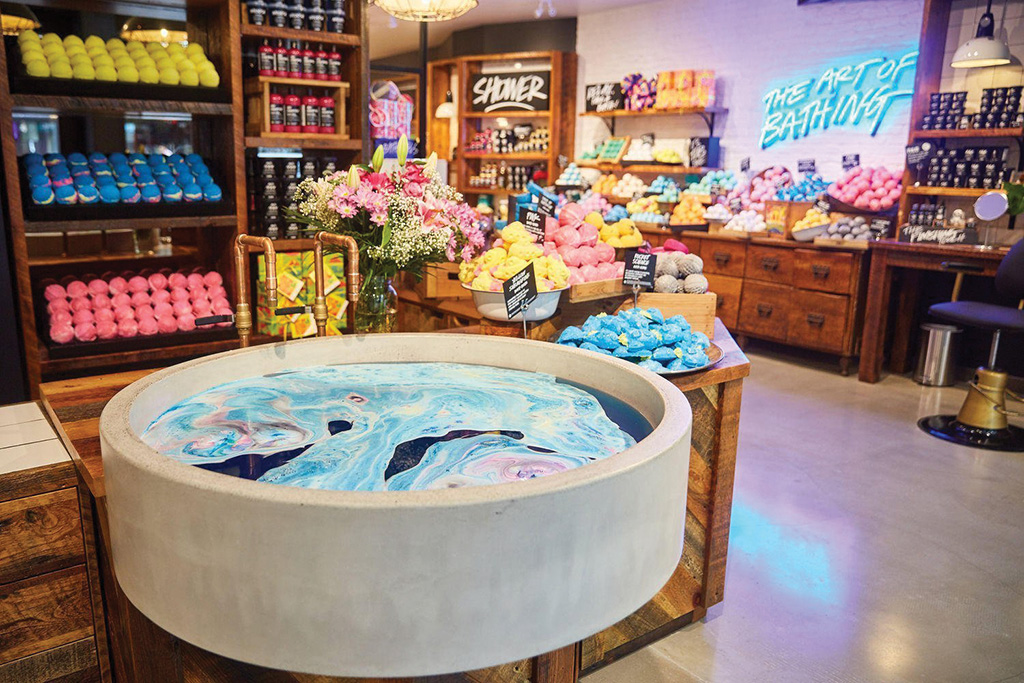
Lush is a handmade cosmetics brand that originated in the UK. By translating everyday body and hair products such as bath bombs, soaps, and shampoos into intuitive sensory experiences, the brand entered the market quickly and successfully. The moment customers step into the store, they first notice the distinctive scent, followed by the vivid colors of the products. When staff demonstrate a bath bomb dissolving in water, the spreading color and rising bubbles instantly draw customers in. With color, fragrance, sound, and texture working at once, consumers experience the brand before fully understanding “what ingredients are good.”
In a recent consumer experience report, McKinsey & Company noted that “as it becomes harder to differentiate on function and price, consumers increasingly make choices based on sensorially perceived experiences.”

So what matters most for beauty supply owners?
 Buying criteria change:
from ‘easy to explain’ to ‘easy to feel’ products

 Products that blend multiple sensory elements have an advantage.
·       Products featuring a clear, memorable fragrance and an instantly felt difference in application or texture
·       A cohesive lineup where a visible change at the moment of use is reinforced by consistent packaging texture, opening sound, and overall sensorial experience

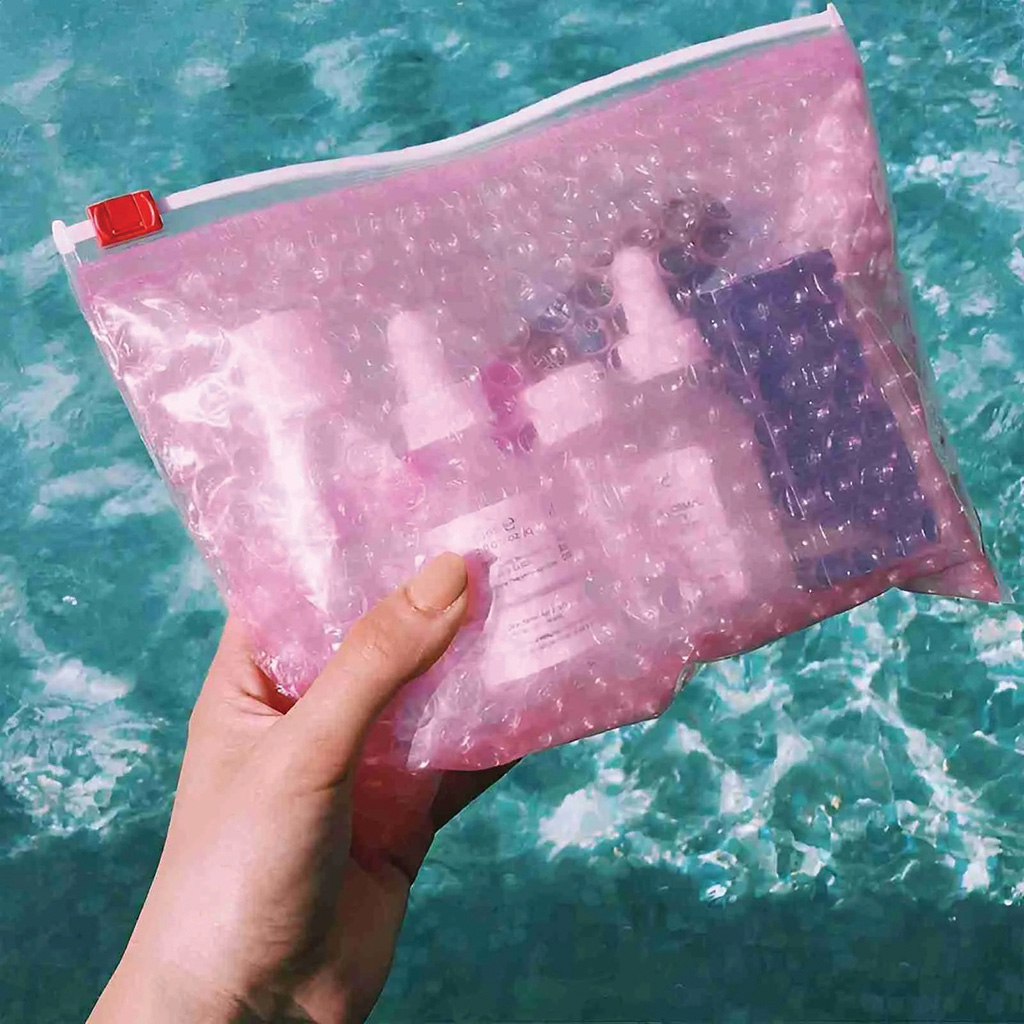
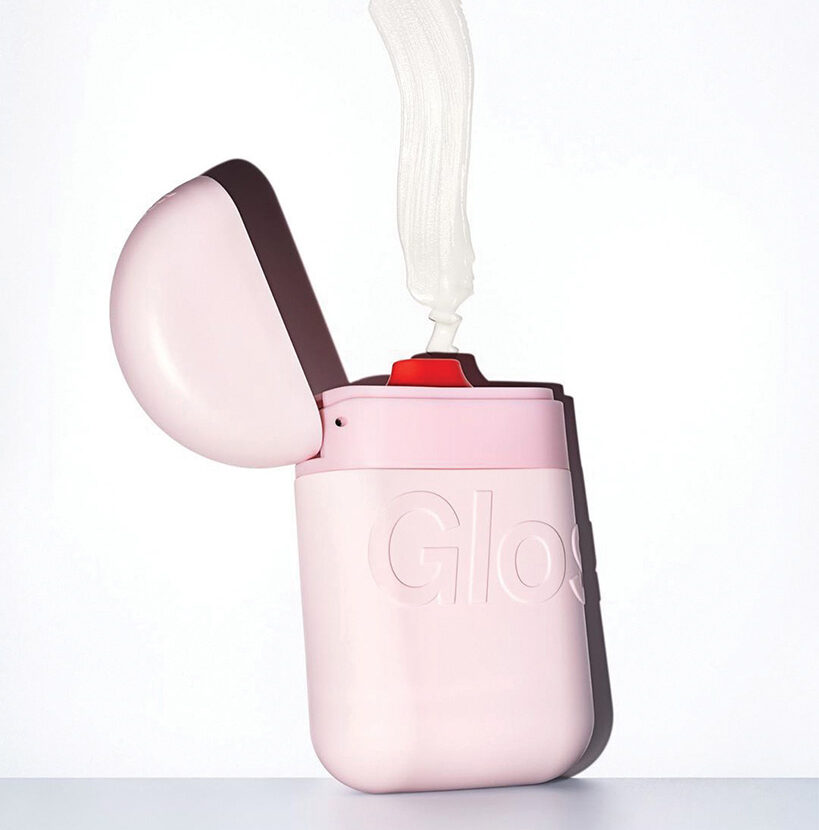
▲ ©Glossier Glossier brand products that became social media staples by placing sensory synergy at the center of their marketing. The side-flip hand cream and bubble-wrap pouch demonstrate overlapping visual, tactile, and motion-based sensory experiences.

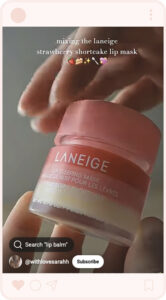
◀︎ © Youtube@withlovesarahh Laneige Lip Sleeping Mask generates such active ASMR-related content that “ASMR” frequently appears as an associated search term. On its official SNS channels, the brand positions itself as an “ASMR favorite,” highlighting the sound of opening the container alongside a strawberry cheesecake–inspired scent and color palette. Together, these elements resonate across hearing, sight, and smell.

 Store operations change:
from ‘product display’ to ‘sensory memory’

 2) Store operations change: from ‘product display’ to ‘sensory memory’
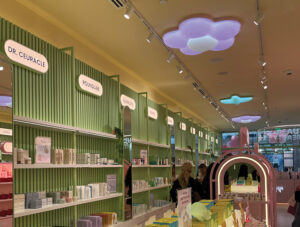
Create a consistent base with lighting (brightness and tone), clear traffic flow, testing areas, and a subtle store scent. Then enhance the experience by encouraging customers to touch, smell, and try the products.

 ©BNB Magazine a store styled with unified pastel-toned lighting and displays.

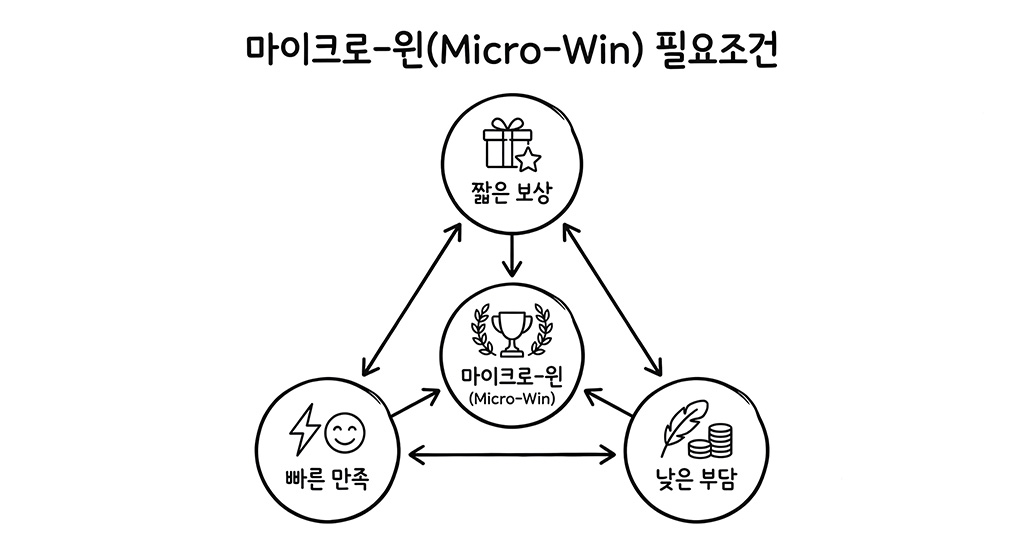
6. Micro-Win Consumption Pattern: Short Rewards, Quick Satisfaction, Low Commitment

The micro-win consumption pattern refers to repeated purchases that deliver small, immediate “wins.” As economic uncertainty and living costs rise, consumers delay big decisions and instead choose options that lift their mood right away. The core of this pattern is not low price, but perceived satisfaction, making it slightly different from classic value-for-money trends or recession beauty.

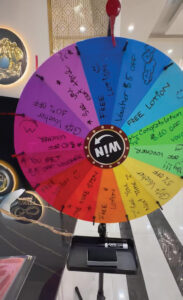
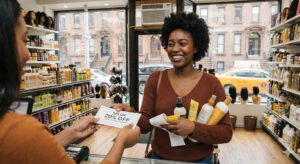
For this reason, today’s consumers quickly lose interest in reward structures that require long waits. Instead of discounts that require collecting multiple stamps, instant rewards—such as spinning a wheel upon entering a store to receive a coupon usable immediately—generate stronger responses. A no-wait structure becomes part of the enjoyment itself.

The same applies to products. Items that show or deliver noticeable results right after use are especially strong. They do not have to be low-priced; it is enough if they feel reasonable compared to online options or easier to try than salon services.

A structure that offers a clear mood boost and a sense of “this was worth it” when successful, but does not feel like a loss even if it misses the mark, encourages repeat micro-win consumption. This sense of a “safe success rate” is what keeps the cycle going.

©google.com A spin wheel offering various benefits that can be used immediately in-store, delivering instant gratification and added fun.

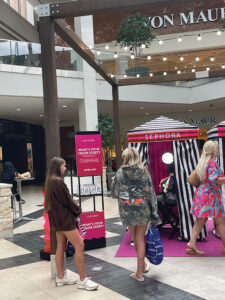
©BNB Magazine Sephora hosted an event where experts provided personal color analysis and recommended products based on the results. For customers, the experience combined purchasing needed items with the added “reward” of a personal color analysis—something they may have been curious about but hesitant to pay for. This pairing leaves customers with a lasting sense of having made a smart purchase.

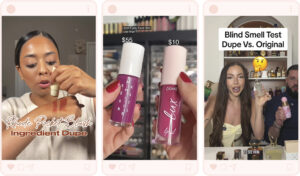
Original vs. dupe comparison content spreading on SNS. Focusing on quick-satisfaction categories such as brushes, lip products, and fragrances, these items offer perceived quality close to the original with a much lower price barrier.

So what matters most for beauty supply owners?
Buying criteria change:
think ‘speed of payoff’ first

Products that deliver noticeable change or instant mood uplift right after use are advantageous. A perceived price range that feels easy to try compared to online or salon options, and choices that do not feel like a loss even if they fail, are becoming increasingly important.

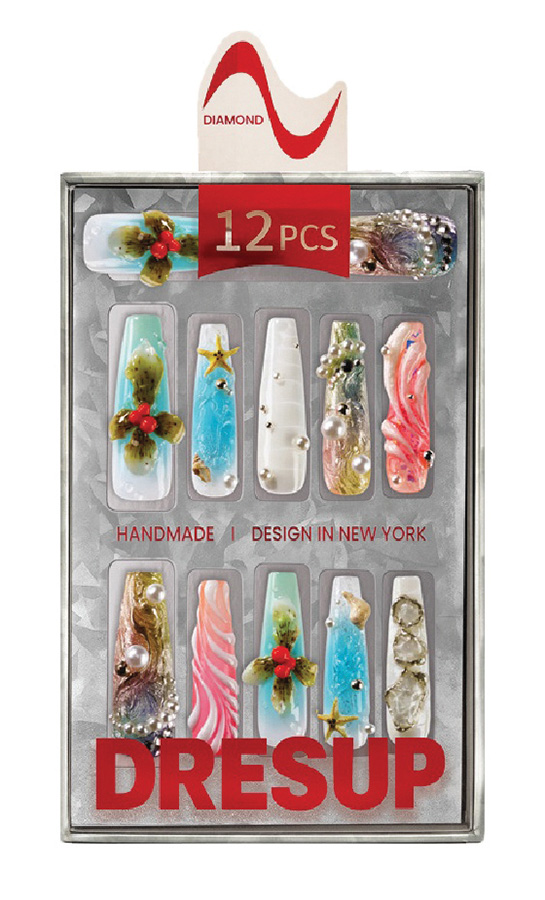
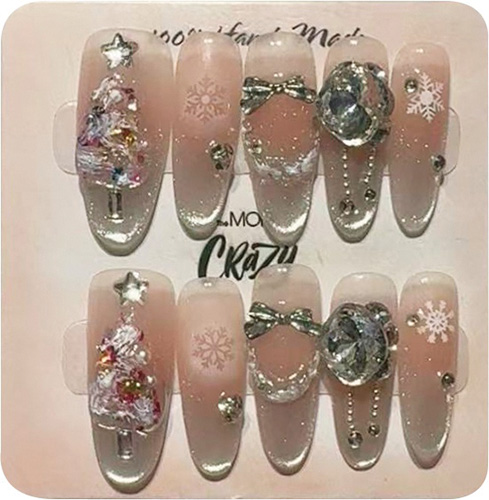
▲ (Left) Dress-Up press-on nails, (Right) Noblesse press-on nails

▲ While it varies by region, salon extensions with designs often exceed $100, and with tips included can approach $200. As a result, consumers compare press-on nails against salon pricing when making purchase decisions.

Store operations change:
faster decisions increase small wins

Immediately usable benefits, easy-to-understand POP, and grab-and-go displays directly impact sales. Helping customers leave the store with a small sense of “I made a good choice” leads to repeat visits and purchases.

Instant-use 20 percent discount coupon for partner salons with hair product purchases

7. Professional-Grade Beauty Devices: At Home, but Like a Pro

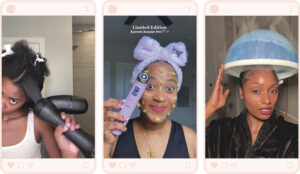
As demand grows for professional-level results at home, the home beauty device market is rapidly segmenting. Advances in technology have played a role, but more importantly, easy-to-understand video content demonstrating usage has accelerated growth.

This trend also reflects a shift in consumer mindset. After the era of “you only live once” spending driven by urgency, today’s consumers—living in a more uncertain environment—believe that daily routines shape tomorrow’s condition. Rather than one dramatic result, they are willing to invest in care they can repeat consistently.

 The appeal of professional-grade devices is clear. While they do not fully replace salon experiences, they reduce time and cost burdens while providing a sense of ongoing care. Among consumers in their 20s to 40s, these devices are increasingly viewed not as “special equipment,” but as regular tools used as part of a routine.

Consumers can now easily access videos explaining how to use a wide range of beauty devices.

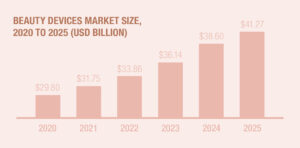
 ©Precedence Research The global beauty device market grew from approximately $30 billion in 2019 to an estimated $36–43 billion between 2022 and 2024.

So what matters most for beauty supply owners?
1) Buying criteria change:
start with products customers already know

 Rather than products that “look good to the owner,” the starting point should be items customers are already curious about. As the device market grows quickly and quality varies widely, it is more efficient to stock products that have already been validated through reviews and word of mouth.

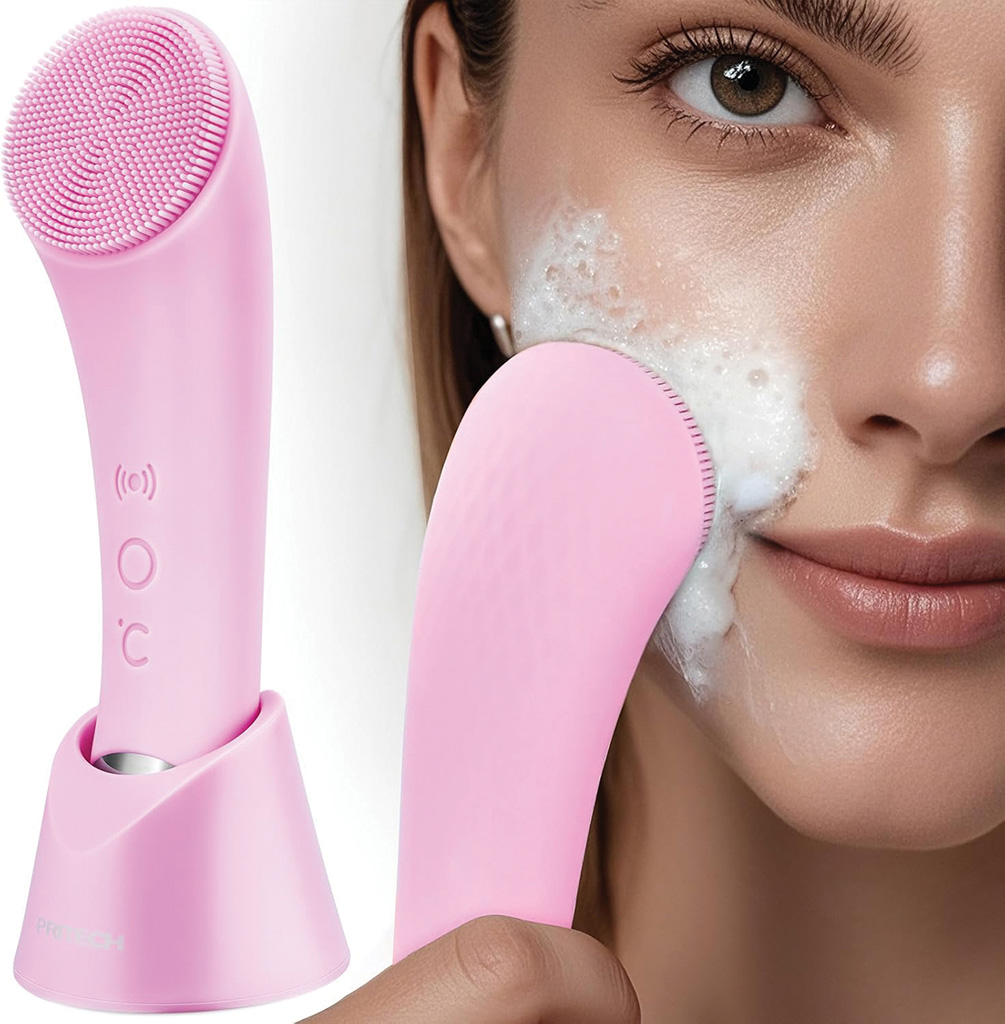
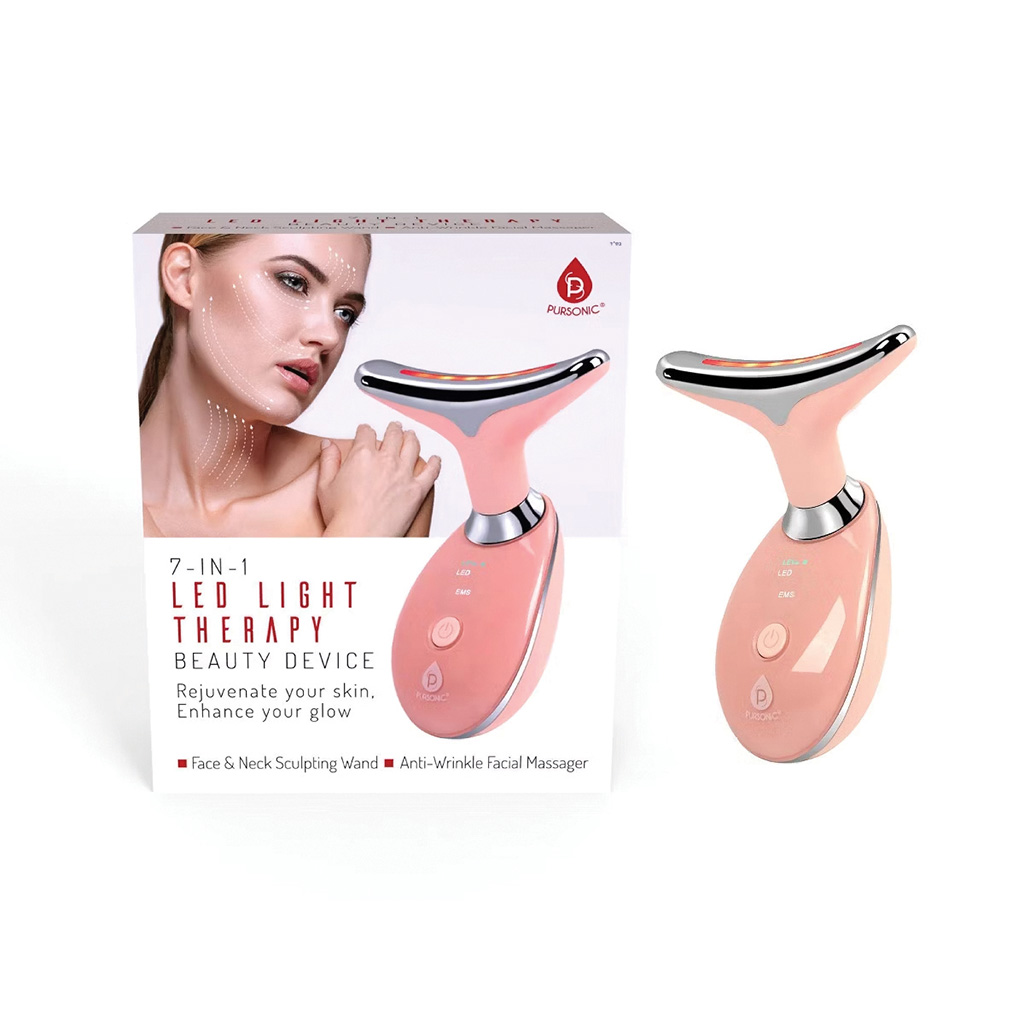
▲ (Left)PRITECH Facial Cleansing Brush (Amazon $9.99) (Right)Pursonic 7-in-1 LED Light Therapy Beauty Device (Target $34.99)

Store operations change:
explain in terms of ‘routine,’ not ‘specs’

 Clearly separating categories such as hair care, skin care, and body care simplifies customer access. Instead of listing technical specifications like electronics, providing pop cards with usage order or QR codes linking to influencers who demonstrate real-life use increases understanding. Displaying related products together also encourages natural add-on purchases. To make this work, it is essential that store staff have a clear grasp of the overall product flow and basic information.

INDUSTRYNEWS By BNBMagazine
BNB Magazine FEBRUARY 2026 ©bnbmag.com